
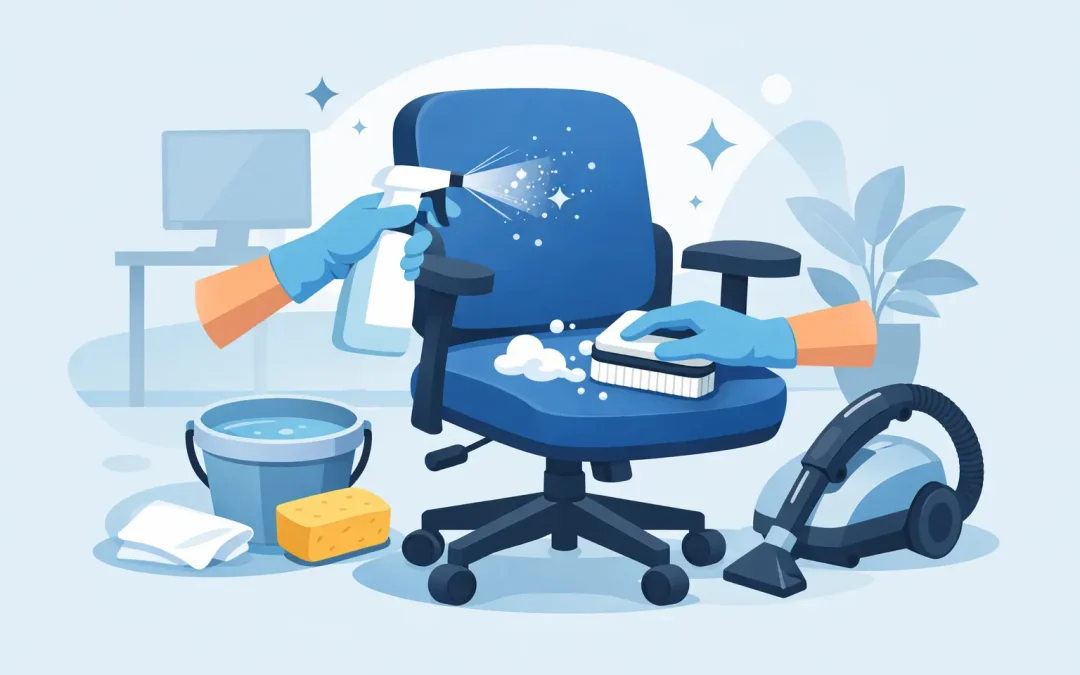
A chair can look acceptable from across the room while holding months of body oils, coffee drips, dust and food crumbs in the fabric. Office chair upholstery cleaning deals with the grime employees and visitors do not always see, but certainly notice when a chair feels sticky, smells stale or looks patchy in a meeting room.
For busy offices across the Northern Beaches, clean seating is not just a cosmetic detail. It helps maintain a professional workplace, protects the cost of quality furniture and gives staff a cleaner, more comfortable place to work. The right method depends on what the chair is made from, how heavily it is used and whether there are specific stains or odours to treat.
Why Office Chairs Get Dirty Faster Than Expected
Unlike a lounge that might be used for a few hours each evening, an office chair can be occupied for eight hours a day, five days a week. Fabric upholstery gradually absorbs perspiration, skin oils, dust and tiny food particles. In shared offices, hot-desking areas, reception spaces and training rooms, that build-up happens even faster.
Air-conditioning can move fine dust through a workplace, while open windows near busy roads can bring in additional dirt. Add takeaway lunches, coffees and the occasional leaking pen, and the chair fabric soon loses its original colour and freshness. Dark chairs can hide this build-up for longer, but hidden grime can still affect hygiene and leave a lingering odour.
Vacuuming is useful for loose surface dust, but it does not remove embedded soil or oily residues. Those residues can bind dust to the upholstery fibres, making a chair look dull and feel rougher over time.
Office Chair Upholstery Cleaning Is Not One-Method-Fits-All
The safest and most effective cleaning process starts with identifying the material. A fabric task chair, mesh-back chair, vinyl visitor chair and leather executive chair all need different products, moisture levels and techniques.
Most fabric office chairs respond well to professional hot-water extraction or low-moisture upholstery cleaning. The process lifts embedded soil from the fibres and uses powerful recovery equipment to remove cleaning solution, grime and excess moisture. Good extraction matters because it helps avoid overwetting, reduces drying time and limits the risk of water marks or stale smells.
Mesh chairs need a more controlled approach. The mesh can trap dust and debris, but too much pressure or aggressive brushing can damage the weave or alter its tension. Vinyl and faux leather seating should not be saturated, as moisture can get into seams and backing materials. Leather requires dedicated cleaning and conditioning products rather than standard upholstery chemicals, which can dry it out or affect its finish.
This is where generic cleaning can create more work than it saves. A product that works well on one chair may leave another with tide marks, residue or a stiff feel. Material-specific treatment gets the job done properly without taking unnecessary risks with office furniture.
What a Professional Clean Can Remove
Professional cleaning improves the overall appearance of office seating, but it also targets the practical problems that regular wipe-downs leave behind. Depending on the fabric and age of the stain, treatment may address coffee and tea spills, food marks, ink, make-up, general body oils and ground-in dirt around armrests and seat edges.
Odours are another common issue. A stale smell may come from absorbed moisture, old spills or accumulated oils in the upholstery. Simply spraying deodoriser over the top often masks the problem for a short time. Effective odour treatment focuses on removing the source from the fabric and padding where possible.
There are limits, and a reliable cleaner should be upfront about them. Old stains may have permanently altered the dye in the fabric, while sun exposure can fade chair backs near windows. Cleaning can dramatically improve these chairs, but it cannot always restore the original colour where the material itself has changed. The goal is an honest result: cleaner, fresher and more presentable seating without false promises.
The Cleaning Process With Minimal Disruption
For offices, timing and drying time matter as much as the cleaning result. Chairs cannot be out of action for days, particularly in a small workplace or a busy reception area. Professional equipment is designed to recover far more moisture than basic hire machines, helping chairs dry faster after treatment.
The process usually begins with a close inspection of the chairs, including fabric type, staining, wear, loose seams and existing damage. Loose debris is removed first, then suitable pre-treatment is applied to areas with built-up soil or particular stains. The upholstery is cleaned using the selected method, with controlled moisture and thorough extraction where appropriate.
Chair arms, bases and wheels may also need attention. While fabric cleaning is the main focus, removing surface grime from hard components helps the whole chair look cared for. Final checks make sure no areas have been missed and that the upholstery is left as dry as practical.
Drying time varies with fabric thickness, humidity, ventilation and the degree of soiling. In a well-ventilated office, professionally cleaned chairs often dry within hours rather than overnight. Keeping air-conditioning or fans running can assist, provided the airflow is clean and not blowing dust straight back onto the chairs.
When Your Workplace Should Book a Clean
A yearly professional clean suits many low-to-medium use offices. High-traffic workplaces, shared desks, medical waiting areas, education facilities, retail sites and hospitality venues may benefit from more frequent maintenance. It is often easier and more cost-effective to clean chairs before they become heavily soiled than wait until staining and odours are obvious.
There are also a few clear signs that it is time to act: chairs look darker around the headrest or armrests, visitors comment on a stale smell, a spill has dried into the fabric, or the office is preparing for an inspection, lease handover or client event. Cleaning after a spill is especially worthwhile, as fresh marks are generally easier to treat than stains that have had weeks to set.
Property managers and landlords can include chair upholstery as part of a broader commercial clean between tenancies. It is a straightforward way to improve the presentation of a furnished office without replacing usable furniture.
Simple Care Between Professional Visits
Day-to-day habits make a real difference to how long office chairs stay presentable. Encourage staff to deal with spills promptly by blotting with a clean white cloth rather than rubbing the fabric. Rubbing can push liquid deeper into the fibres and spread the stain.
Regular vacuuming with an upholstery attachment removes loose dust, crumbs and hair before they are worked into the seat. Avoid soaking the chair with supermarket spot cleaners or spraying products directly onto the upholstery without testing them first. Some leave a sticky residue that attracts more dirt, and others can bleach or discolour fabric.
For shared workspaces, a simple cleaning schedule helps. Wipe hard chair parts regularly, vacuum fabric seating as part of routine office cleaning and arrange professional treatment when the chairs begin to lose their fresh appearance. This approach protects the furniture while avoiding the disruption of a major clean-up later.
A Better Standard for Workplace Seating
Office chairs are working furniture. They support your staff, frame your reception area and get noticed in meeting rooms more than many businesses realise. Treating them as part of routine workplace maintenance keeps the space looking cared for and helps extend the useful life of the furniture.
Pro Wet & Dry provides material-specific upholstery cleaning for Northern Beaches offices, with specialised equipment to lift embedded grime while supporting fast drying times. If your chairs are looking tired, smelling stale or carrying the marks of a busy workplace, a professional clean can make the office feel ready for business again.