
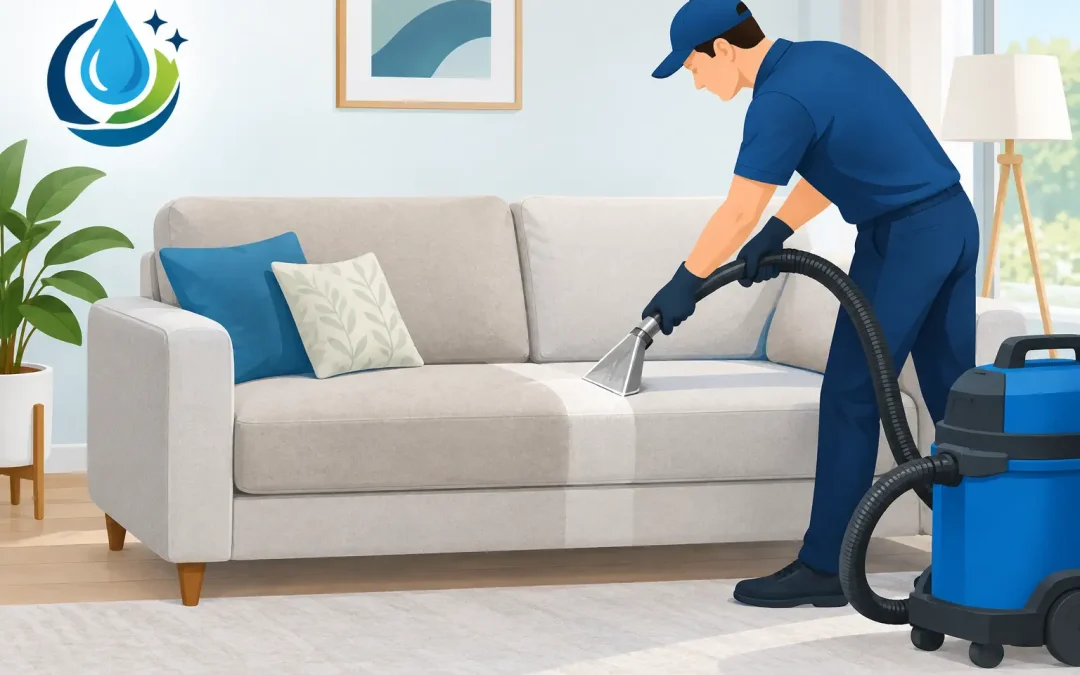
A sofa can look reasonably clean until sunlight hits the fabric, a child drops a drink, or a pet chooses the same corner every day. By then, the issue is rarely just what you can see. Proper sofa cleaning deals with the grit, oils, allergens and odours that settle below the surface, without over-wetting or damaging the upholstery.
For Northern Beaches homes, rentals, offices and marine spaces, sofas often carry more use than people realise. They are where families eat, pets sleep, guests sit and wet swimmers occasionally land after a day at the beach. A quick wipe may improve the appearance, but it will not always remove the source of a stain or smell.
Why sofa cleaning needs the right method
Upholstery is not one material. A fabric lounge may be made from cotton, linen, polyester, wool blends, viscose, microfibre or a mixture of several fibres. Leather has a completely different set of needs. Even two sofas that look similar can respond very differently to moisture, heat, cleaning solutions and agitation.
That is why the first step in professional sofa cleaning is identifying the material and its condition. Some fabrics can be hot-water extracted safely to flush out embedded soil. Others require low-moisture cleaning, controlled hand treatment or a dry-cleaning approach. Applying too much water to an unsuitable fabric can cause browning, shrinkage, watermarking or damage to the backing.
The goal is not to soak a lounge until it looks cleaner. It is to lift contaminants effectively, recover moisture and residue with specialised equipment, and leave the fabric drying as quickly as practical. The right approach protects the furniture while producing a result you can actually see and use.
What builds up in upholstery
Everyday soil is usually a mix of dry particles and sticky residues. Dust, sand and crumbs work their way into the weave, while body oils, skincare products and food spills cling to fibres. Pet hair can be obvious, but pet odour often sits deeper in the padding or under the cushions.
Over time, this build-up can make colours look dull and leave favourite seats feeling flat or grubby. It can also create a lingering smell that returns when the room is warm or humid. Surface deodorising may mask it briefly, but an effective treatment needs to address the material holding the odour.
When a sofa needs more than a spot clean
It makes sense to attend to a fresh spill straight away. Blot it gently with a clean, absorbent cloth and avoid rubbing, which can spread the stain and push it further into the fabric. Avoid reaching for random supermarket products too. The wrong cleaner can set a stain, leave a sticky residue, bleach the colour or create a larger water mark.
A professional clean is often the better call when stains have dried, there are several marks across the lounge, or the sofa has a general dingy appearance. It is also worthwhile before an end-of-lease inspection, after buying a second-hand piece, before welcoming a new baby, or when a property is being prepared for sale or new tenants.
Four signs that a deeper clean is due are:
- the fabric looks darker on arms, headrests or favourite seats
- odours return shortly after deodorising the room
- pet accidents, food spills or drink stains have reached the cushion inserts
- the lounge has not been professionally cleaned despite regular use over several years
For commercial premises, presentation matters just as much as hygiene. Reception seating, office lounges, hospitality booths and waiting-room furniture can quickly look tired when they are used every day. Scheduled cleaning helps keep fabric furnishings presentable without replacing them before their time.
Stains, odours and the limits of DIY products
Not every stain can be completely removed. The age of the stain, the fabric type, what caused it and any previous treatment all affect the outcome. Red wine, coffee, ink, makeup, greasy food and pet urine each need a different response. A stain that has been heated, scrubbed aggressively or treated with multiple chemicals is often more difficult to improve.
A good cleaner will assess the mark honestly rather than promise an unrealistic result. In many cases, professional treatment can dramatically reduce or remove staining. In others, the aim may be to improve appearance, remove residue and stop the stain from continuing to attract dirt.
Odours need the same practical assessment. If a pet accident is confined to the outer fabric, targeted treatment may be enough. If urine has soaked through the cushion, into the foam or onto the frame, treatment needs to reach those affected layers. Simply applying fragrance over the top is not a solution.
Mould and water damage also require care. A lounge affected by flooding, a leaking window or wet carpet should be assessed promptly. Moisture trapped in padding can lead to persistent odour, mould growth and structural damage. Industrial-grade extraction and drying equipment can make a major difference, but timing matters.
What professional sofa cleaning involves
The process should be tailored to the furniture rather than treated as a one-size-fits-all job. A technician starts by inspecting the upholstery, checking fibre type, colourfastness, wear, staining and any areas that need special attention. Loose dry soil is removed first because wet cleaning over grit can create mud-like residue in the fabric.
Next comes pre-treatment for stains, oils and heavily soiled areas. The appropriate cleaning method is then used to loosen and extract soil while controlling moisture. High-powered recovery equipment removes dirty water and helps shorten drying time, which is particularly useful in busy homes, offices and apartments where a sofa cannot be out of action for long.
Cushions, piping, armrests and headrests all deserve attention because they tend to collect the most body oils and grime. Where appropriate, deodorising or sanitising treatment can be included to deal with the cause of odours and improve hygiene.
Drying times depend on the fabric, weather, ventilation and cleaning method. Many lounges are dry within a few hours, though thicker cushions and heavily soiled pieces can take longer. Opening windows, running ceiling fans or using air conditioning can assist, provided airflow is not carrying damp outdoor air into the room.
Leather lounges need a different approach
Leather is durable, but it is not maintenance-free. Body oils can darken headrests and arms, while spills, heat and direct sunlight can dry out or damage the finish. Harsh household products may strip protective coatings or leave the leather stiff and patchy.
Professional leather cleaning uses suitable products to lift soil from the surface without over-saturating the material. Conditioning can then help maintain suppleness and appearance. Cracked, badly worn or faded leather may require restoration rather than cleaning alone, so realistic expectations are essential.
Keeping your sofa cleaner between appointments
Regular vacuuming with an upholstery attachment makes a genuine difference. It removes dry dirt before it is pressed deeper into the fibres, especially under seat cushions and along crevices. Rotate loose cushions where possible, and address spills promptly by blotting rather than scrubbing.
If you have pets, a washable throw on their preferred section of the lounge can reduce hair, oils and day-to-day wear. For light-coloured upholstery, be mindful of dark denim, fake tan and heavily coloured clothing, which can transfer dye to fabric or leather.
The right cleaning frequency depends on use. A lightly used formal lounge may only need occasional professional attention. A family sofa with children, pets and daily use may benefit from cleaning every 12 to 18 months, or sooner after significant spills and odours. Rental properties, offices and holiday accommodation may need a more regular maintenance plan.
A clean sofa changes how a whole room feels. If your lounge is carrying stubborn marks, pet odour or years of built-up soil, Pro Wet & Dry can assess the material and use the appropriate method to get the job done properly. Acting before stains and smells become permanent gives your furniture the best chance of looking fresh, feeling clean and staying in service for longer.