Tips & guides
Flood Recovery Steps for Homes and Businesses
Flood recovery after a burst pipe or storm needs fast action. Learn what to do first, what can be saved and when professional drying is urgently needed.

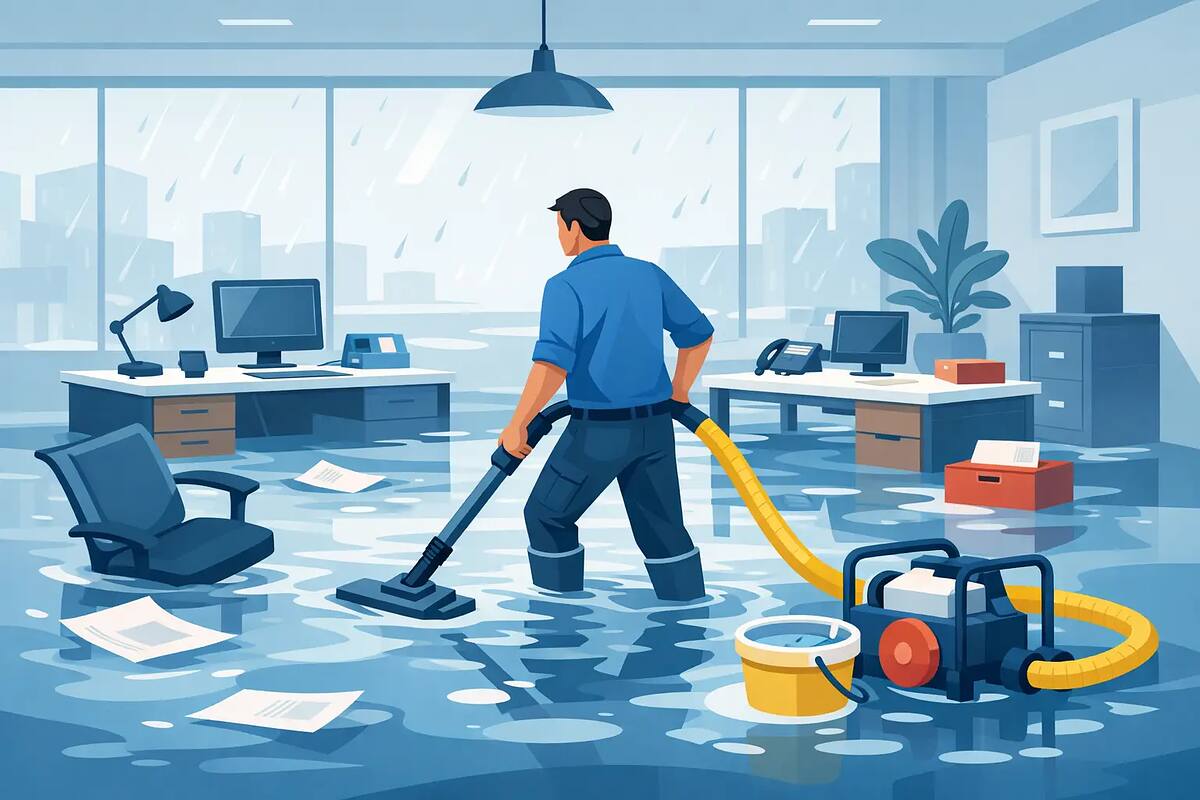
Water does not need to be ankle-deep to cause serious damage. A leaking hot-water system, overflowing washing machine, burst pipe or storm-driven water can quickly soak carpet backing, underlay, timber edges, furniture and wall linings. Effective flood recovery is about more than extracting what you can see. The job is to stop further damage, remove moisture from the structure and dry affected materials properly before mould, odours and staining take hold.
The first few hours matter most. Acting quickly can often save carpet, rugs and soft furnishings that might otherwise need replacing. Waiting until the surface feels dry is where many water-damage problems begin, because moisture can remain trapped underneath for days.
Make the Area Safe Before You Start
Do not enter a water-affected room if there is any chance electrical outlets, power boards, appliances or wiring have been exposed. Turn off power at the main switch only if it is safe to do so, and arrange an electrician where required. Keep children and pets away from the area until hazards have been assessed.
The source of the water also changes the response. Water from a clean burst pipe or rain entering through an opening can often be treated differently from water affected by a sewer overflow, toilet backup, stormwater runoff or marine bilge contamination. Contaminated water needs a more cautious approach, including appropriate protective equipment, cleaning and sanitisation. In some cases, porous materials such as underlay, insulation and heavily affected furnishings may not be suitable for restoration.
If the water is coming from a plumbing fault, isolate the supply where possible and call a plumber. For storm damage, use safe temporary measures to limit further entry, but avoid climbing onto a wet roof or attempting repairs in dangerous conditions.
Flood Recovery Starts With Fast Extraction
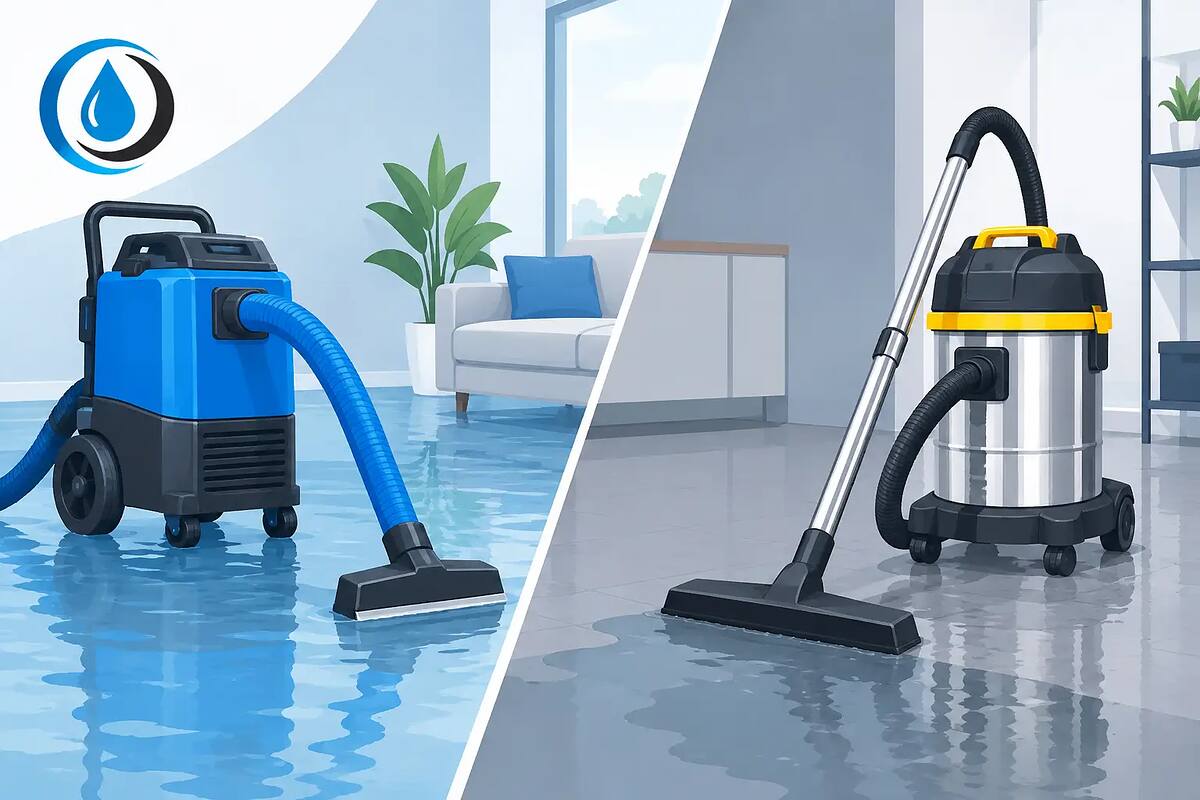
A mop, towels and a household wet vacuum can remove some surface water, but they rarely extract enough moisture from carpet and underlay to prevent later problems. Water moves down through carpet fibres, into the backing and underlay, then spreads across the subfloor. It may also travel beneath skirting boards and into adjoining rooms.
Professional extraction equipment removes far more water in a shorter time. That makes a real difference to drying times and helps reduce the risk of carpet shrinkage, delamination, dye bleed and persistent musty odours. The goal is not simply to make the room look dry. It is to remove as much water as practical before controlled drying begins.
For a small, clean-water spill caught immediately, lifting items off the floor, blotting excess moisture and improving airflow may be enough. A wider soaked area, water under carpet, saturated lounge suites or moisture that has been sitting overnight calls for a proper assessment. The longer water remains, the more difficult and costly recovery can become.
What Can Usually Be Saved?
Whether an item can be restored depends on the water category, how long it was wet, the material itself and the condition of the item before the incident. There is no one-size-fits-all answer, but fast action improves the odds.
Carpet can often be saved after clean-water flooding when it is extracted and dried promptly. In many cases, the carpet may need to be lifted so the underlay and subfloor can be assessed. Underlay is more variable. It can hold a large volume of water and may need replacing, particularly if it has been saturated or contaminated.
Upholstered furniture needs material-specific treatment. Fabric lounges, mattresses, cushions and dining chairs can retain water deep in foam and padding even when the outer fabric feels only damp. Leather requires a different approach again, as excess moisture and heat can cause stiffness, cracking or changes in finish. Placing furniture in direct sun or blasting it with high heat can create permanent damage.
Timber floors, engineered boards and laminate are particularly dependent on timing. Water can cause cupping, swelling, lifting and separation at joins. Drying may still be possible, but the process needs to be carefully managed rather than rushed with uncontrolled heat. Hard surfaces can look fine while moisture remains along edges, beneath flooring or behind skirting boards.
Drying Is More Than Opening the Windows
Opening doors and windows can help on a dry day, but Northern Beaches humidity and wet weather can work against you. Bringing humid outside air into a wet room may slow drying rather than improve it. Fans move air, but they do not remove moisture from that air.
A professional drying setup typically combines high-volume air movement with dehumidification and regular moisture checks. Air movers encourage evaporation from wet materials, while dehumidifiers capture moisture from the air. The room is monitored so drying can be adjusted as conditions change.
This is why a room that feels dry underfoot should not automatically be put back into normal use. Carpet fibres may be dry while the backing, underlay, wall base or subfloor remains damp. That hidden moisture can lead to a stale smell, mould growth, loose flooring or recurring stains weeks later.
Protect Your Belongings and Your Insurance Position
Before moving or disposing of items, take clear photos and short videos of the affected rooms, furnishings and likely water source. Record the time the damage was discovered and retain invoices for emergency work, repairs and replacement items. Your insurer may have its own preferred process, so contact them early if you intend to make a claim.
Move dry belongings away from wet areas where it is safe to do so. Raise furniture on blocks or foil tabs to reduce marks and moisture transfer from carpet. Avoid placing wet cushions, rugs or boxes in a closed garage or spare room. They need airflow and assessment, not a dark space where mould can develop unnoticed.
Do not assume strong fragranced products will solve the issue. They may temporarily cover an odour without addressing the damp material or contamination causing it. Proper cleaning, extraction, drying and, where needed, sanitisation are what deal with the source.
When to Call for Professional Flood Recovery
Emergency help is sensible when water has reached carpet and underlay, entered more than one room, affected valuable furniture, come from a contaminated source or been present for several hours. It is also worth calling when you are unsure how far the water has travelled. Moisture testing can identify risks that are not obvious from the surface.
Commercial premises need an especially quick response. Wet carpet in an office, retail space, hospitality venue or common area can become a slip hazard and disrupt normal trading. The right recovery plan balances thorough drying with minimal downtime, whether the affected space is a small suite, a larger workplace or a vessel with fabric finishes below deck.
For homes, rental properties and businesses across Sydney's Northern Beaches, Pro Wet & Dry uses industrial-grade extraction and drying equipment to deal with water-affected carpets, upholstery and soft furnishings. Treatment is matched to the material and the type of water involved, with the focus on getting the area clean, dry and usable again as quickly as possible.
Avoid These Common Mistakes
Do not wait for a convenient time to start drying. Do not lay wet rugs over railings for days without cleaning them first, and do not refit furniture onto damp carpet because the surface feels dry. Avoid using heaters at close range on carpet, upholstery, leather or timber, as uneven heat can cause shrinkage, warping or cracking.
It is also wise not to pull up carpet, remove skirting boards or discard materials before documenting the damage and understanding what is involved. Some situations need materials lifted for effective drying, while others can be treated with less disruption. The right choice depends on moisture levels, contamination and how long the water has been present.
A quick response after water damage protects more than the appearance of a room. It can preserve furnishings, reduce disruption and help prevent the hidden dampness that turns one flooded space into a much bigger repair job.
Upholstery Cleaning
Need a hand with this?
Lounge, sofa and chair cleaning for fabric and leather, at home or in commercial spaces. Pro Wet & Dry has been cleaning on the Northern Beaches since 2001.
Or call 1300 132 273