Tips & guides
Wet Carpet Emergency Water Extraction Explained
Wet carpet emergency water extraction removes water fast, limits mould risk and helps protect carpets, underlay and floors after a leak or flood indoors.
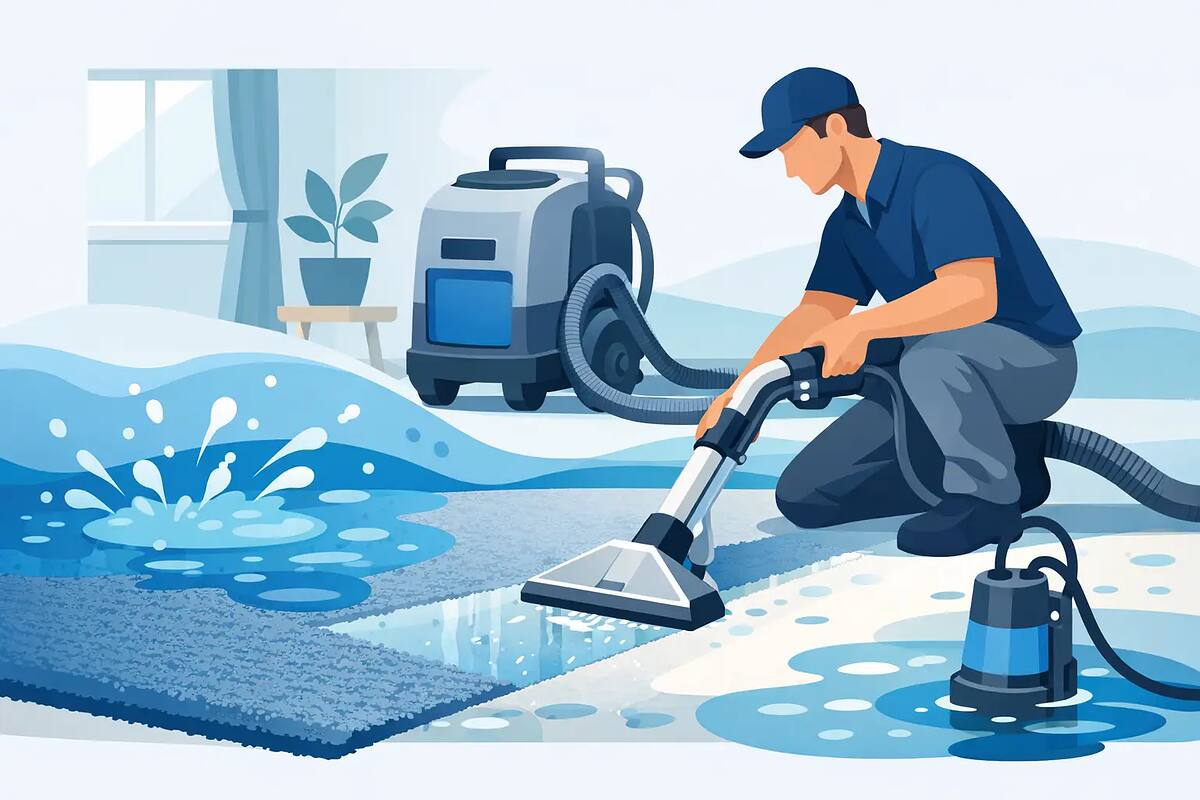
A burst flexi hose, overflowing bathroom, roof leak or washing machine failure can soak a carpet in minutes. Wet carpet emergency water extraction is the fast, practical response that removes standing water, reduces drying time and gives the carpet, underlay and floor beneath it the best chance of being saved.
The first few hours make a real difference. A carpet can look merely damp on the surface while the underlay is saturated and moisture is spreading into skirting boards, timber flooring, wall linings or adjoining rooms. Acting quickly is not about making the room look dry. It is about getting moisture out of every affected layer before odours, mould and material damage take hold.
What wet carpet emergency water extraction involves
Emergency extraction is more than running a domestic wet vacuum over the carpet. Professional flood recovery equipment lifts large volumes of water from carpet and underlay, then supports controlled drying with air movers and, where needed, dehumidification. The aim is to remove as much water as possible before evaporation has to do the rest of the work.
The right method depends on the source and extent of the water. Clean water from a supply line may allow carpet and underlay to be recovered if the response is quick. Water from an overflowing toilet, stormwater intrusion, sewage backup or a contaminated drain is different. In those cases, the affected materials may require disposal or specialised sanitisation because extraction alone cannot make them hygienic.
At Pro Wet & Dry, the job starts with assessing the water source, carpet type, underlay, affected rooms and floor construction. This helps determine whether the carpet can be restored safely, whether the underlay should be lifted or replaced, and which drying equipment will get the job done properly.
Why a wet carpet needs fast action
Carpet fibres, backing and underlay hold water differently. Even after the face fibres feel dry, moisture can remain trapped below. That is why a room can develop a musty smell several days after what seemed like a minor leak.
Fast extraction helps limit several common problems:
- Mould and mildew growth, which can begin when materials remain damp for too long.
- Persistent odours caused by bacteria, dirty water or wet underlay.
- Delamination, where carpet backing separates and the carpet loses its shape or strength.
- Damage to timber subfloors, laminate edges, skirting boards and nearby furnishings.
- Staining or colour bleed, particularly with wool carpets, rugs and natural-fibre upholstery.
There is no single rule for how long a wet carpet can sit. A small clean-water spill caught quickly is very different from a room soaked overnight. Warm, humid weather on the Northern Beaches can slow natural drying, especially in rooms with poor airflow. Closed-up holiday properties, ground-floor units and marine cabins can be particularly vulnerable to trapped moisture.
What to do before help arrives
Safety comes first. If water is near electrical outlets, appliances or exposed wiring, avoid the area and arrange for the power to be made safe. Do not walk through contaminated water, and keep children and pets away from the affected room.
If it is safe, stop the source of water. Turn off the tap, isolate the appliance or place containers under an active roof leak. Move lightweight furniture, rugs and valuables from the wet area, but do not drag heavy furniture across saturated carpet. It can stretch the carpet, cause tears and spread water into dry areas.
Use clean towels for small surface spills only. Avoid shampooing the carpet or applying household cleaners before the water source has been assessed. Products can leave residue, make extraction less effective and complicate treatment if the carpet has been affected by contaminated water. Opening windows may help in dry weather, but do not rely on a pedestal fan alone to dry a saturated carpet and underlay.
Take a few photos for your records and insurer, especially if the water came from a burst pipe, appliance fault or storm event. Then arrange extraction as soon as possible.
Extraction, drying and checking the hidden layers
A proper recovery process usually begins with removing loose water using industrial extraction equipment. Where the underlay is soaked, technicians may lift sections of carpet to inspect the material underneath and allow targeted extraction and airflow. This can sound disruptive, but it is often the difference between a carpet that dries properly and one that develops odours later.
Carpet construction matters. Synthetic carpet is often more forgiving than wool, but both can be affected by prolonged moisture. Wool can shrink, brown or lose colour if treated incorrectly. Some carpet backings and adhesives are vulnerable to heat or excessive wetting. Timber, concrete and particleboard subfloors each dry at different rates, so the equipment and drying plan must suit the building rather than follow a one-size-fits-all approach.
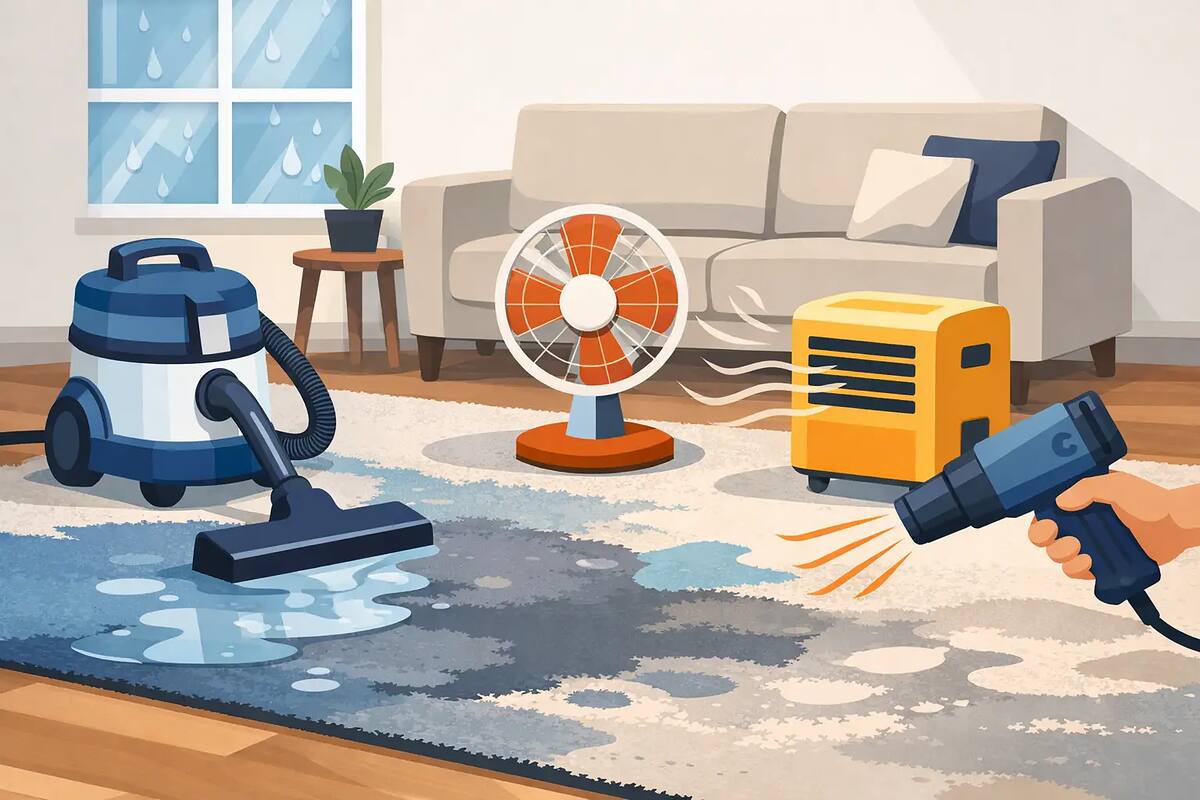
Air movers create steady airflow across the carpet surface and into affected areas. Dehumidifiers remove moisture from the air so water can keep evaporating from the carpet, underlay and subfloor. In some situations, controlled heat is useful, but too much heat can damage fibres or accelerate problems in certain floor coverings. The priority is fast, measured drying rather than simply blasting the room with hot air.
Moisture checking is part of the process. A carpet can appear dry well before the underlay and subfloor reach an acceptable moisture level. Checking those layers helps avoid packing away drying equipment too soon.
When cleaning and sanitising are needed
Once extraction is underway, the need for cleaning depends on what caused the water damage. Clean water from a fresh supply leak may only require extraction and drying, followed by professional carpet cleaning if dirt has been tracked through the wet area.
Grey water, such as water from a washing machine overflow or shower drain, can contain soil, detergent residue and bacteria. It usually requires more thorough cleaning and sanitising. Black water, including sewage or water contaminated by toilet waste, requires a much stricter approach. Porous materials may not be recoverable, and affected areas need specialist treatment to protect the people using the space.
For offices, retail spaces, hospitality venues and strata properties, recovery work also needs to consider downtime. A fast response can keep water from travelling under workstations, display fixtures and partition walls. The right drying setup can allow parts of a premises to remain accessible while the affected area is treated safely.
Common mistakes that make water damage worse
The most costly mistake is waiting to see whether the carpet dries on its own. By the time the surface feels dry, moisture may already be affecting the underlay, walls or floor structure.
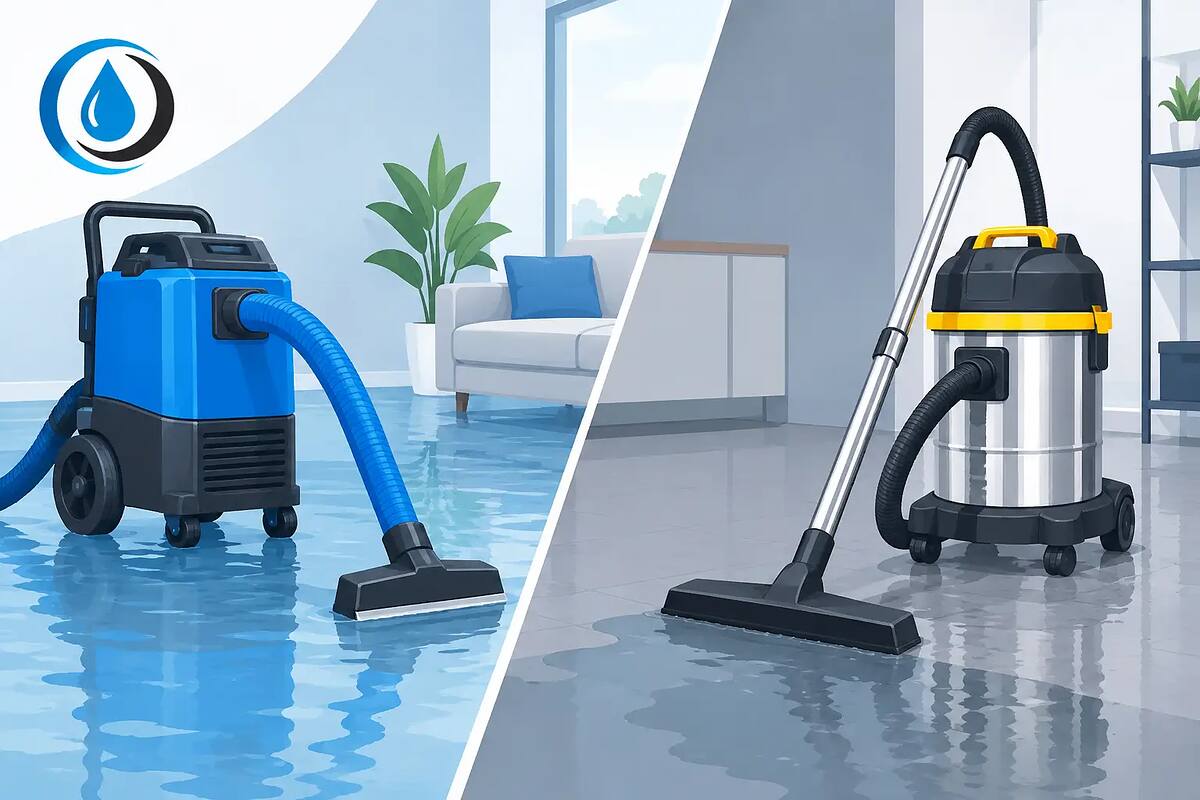
Another common problem is hiring or buying a small machine that is not designed for deep extraction. Domestic units can be useful for a minor spill, but they rarely have the vacuum strength to recover water from saturated underlay. They may leave a carpet looking better while hidden moisture remains.
Avoid lifting carpet without understanding how it is installed. Poor handling can damage seams, stretch the carpet or make refitting harder. Likewise, do not place furniture back until the carpet and floor beneath are properly dry. Furniture legs can create rust marks, dye transfer and compressed damp patches that are slow to dry.
Emergency carpet recovery for Northern Beaches properties
Northern Beaches homes and businesses face a mix of water-damage risks: storm-driven rain, plumbing leaks, apartment overflows, coastal humidity and water entering garages or lower-level rooms. Marine environments add another layer, as confined cabins and fabric furnishings can hold dampness and odours quickly.
A responsive local service matters because water does not wait for a convenient booking window. Whether the affected area is in Mona Vale, Dee Why, Avalon, Newport, Narrabeen, Brookvale or a nearby suburb, early assessment gives you clearer options. In some cases the carpet can be dried and restored. In others, removing damaged underlay or contaminated materials is the safer and more cost-effective decision.
If your carpet is wet, treat it as an emergency even when the patch seems small. Stop the water source, make the area safe and get the moisture assessed before a manageable incident turns into a mould, odour or replacement job.
Flood Recovery
Need a hand with this?
Industrial water extraction and drying after floods, leaks and burst pipes. Pro Wet & Dry has been cleaning on the Northern Beaches since 2001.
Or call 1300 132 273