Tips & guides
Flood Extraction Versus Wet Vacuum Explained
Flood extraction versus wet vacuum: see which water-removal method protects carpets, flooring and furnishings after a leak, burst pipe or storm damage.
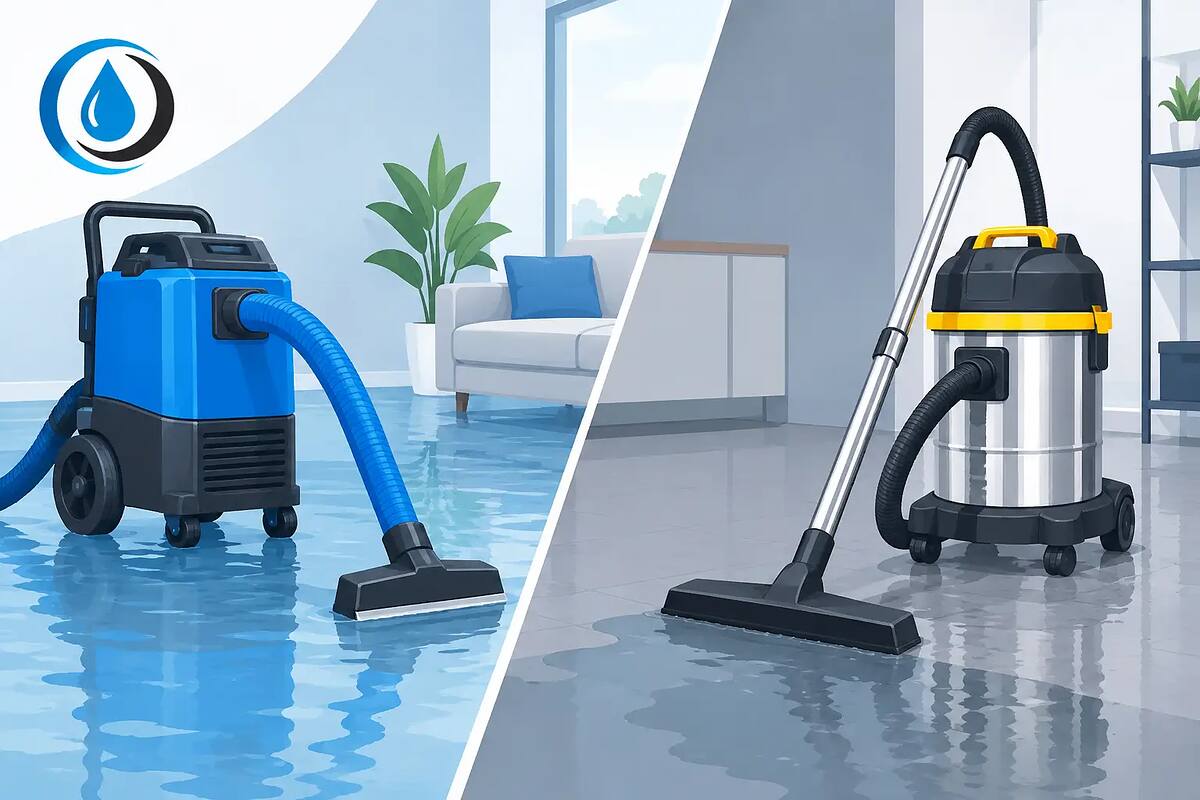
A burst flexi hose can put litres of water through a room before anyone notices. By the time the water is mopped up, carpet backing, underlay, skirting boards and furniture legs may already be holding moisture. That is where the difference between flood extraction versus wet vacuum matters. Both remove water, but they are built for very different jobs - and choosing the wrong approach can leave hidden dampness, odours and costly damage behind.
A wet vacuum can be handy for a small, contained spill. Professional flood extraction is designed for water intrusion that has entered carpets, flooring systems or furnishings and needs to be removed quickly and thoroughly. The goal is not simply to make the surface look dry. It is to recover as much water as possible, identify what has been affected and create the right drying conditions before problems develop.
Flood Extraction Versus Wet Vacuum: The Main Difference
A wet vacuum is generally a portable machine that collects liquid from a hard surface or the top of a carpet. It can be useful after an overflowing sink, a knocked-over bucket or a small appliance leak, particularly when the water is clean and dealt with straight away. For minor jobs, it is far more effective than towels alone.
Flood extraction uses high-capacity, industrial-grade recovery equipment to pull water from saturated carpet and, where appropriate, the underlay beneath it. The equipment is combined with assessment, moisture checking, targeted drying and cleaning or sanitising treatment when required. It is a recovery process, not just vacuuming water off the floor.
This distinction is especially relevant with carpet. Water naturally travels down through the fibres, into the backing and underlay, then can wick into walls, timber edging and adjacent rooms. A wet vacuum may make the carpet pile feel dry enough to walk on while the layers underneath remain wet. That trapped moisture is where musty smells, mould growth and carpet delamination can start.
When a Wet Vacuum May Be Enough
There is a place for a wet vacuum, provided the situation is genuinely small and controlled. If clean water from a freshly spilled container is limited to a small patch of hard flooring, quick collection and proper ventilation may be all that is needed. It can also help reduce the amount of water sitting on a surface while you arrange professional help.
The key factors are volume, water source, time and material. A small amount of clean water caught immediately is very different from a room affected by a burst pipe overnight. Carpet, fabric lounges, rugs, timber floors and built-in cabinetry all absorb or retain water differently. The more absorbent the material, the less reliable a surface-only clean-up becomes.
Home wet vacuums also have practical limits. Their tanks fill quickly, their suction is modest compared with recovery equipment, and they are not designed to determine whether moisture remains under carpet or behind skirting. Repeated passes can remove some water, but they do not replace a proper restoration assessment.
When Professional Flood Extraction Is the Better Call
If water has spread across carpet, reached under furniture, soaked into underlay or entered more than one area, flood extraction is usually the sensible option. Fast action can often save carpet and reduce disruption, particularly when the water is clean and the damage is addressed within the first day or two.
Professional recovery becomes more urgent when the source is uncertain or contaminated. Water from a toilet overflow, sewer backup, stormwater entry or a drain problem should not be treated as an ordinary wet carpet. These situations may contain contaminants that require careful handling, appropriate cleaning products and, in some cases, removal of unsalvageable materials.
Call for professional assessment promptly if you notice any of the following:
- Carpet feels squelchy, spongy or damp over a broad area.
- Water has been sitting for several hours or occurred while the property was unattended.
- Underlay, timber flooring, walls, cupboards or upholstered furniture are wet.
- The water came from stormwater, a toilet, drain, sewage source or an unknown leak.
- A musty smell appears after the visible water has been removed.
For tenants, landlords and property managers, acting early also creates a clearer record of the event and the work carried out. That can be useful when arranging repairs, discussing insurance or protecting a property between tenancies.
What Proper Flood Recovery Involves
Effective flood recovery starts with stopping the source where possible. Turn off the water supply for a plumbing leak, move people away from electrical hazards and avoid using power points or appliances in wet areas. If the water source is contaminated, keep children and pets clear and avoid unnecessary contact.
The affected area then needs to be assessed. A professional looks at the type of water, how far it has travelled, the materials involved and whether carpet, underlay or furniture can be restored safely. Moisture readings help identify water that cannot be seen from the surface.
High-powered extraction is the next priority. Removing water quickly reduces the load on the drying process and gives carpet, rugs and upholstery the best chance of recovery. In some cases, the carpet can be carefully lifted so water can be extracted from the underlay and subfloor. Whether that is appropriate depends on the construction, extent of saturation and condition of the materials.
Drying is not a matter of opening a few windows and hoping for the best. Air movement, dehumidification and controlled ventilation may be needed to dry the affected area efficiently. Northern Beaches humidity, wet weather and homes with limited cross-ventilation can all slow natural drying. Moisture should be checked again during the process rather than relying on how the carpet feels underfoot.
Cleaning and sanitising may follow, depending on the water source and materials. A clean-water pipe leak may require extraction, drying and deodorising. Water carrying soil or contaminants requires a more cautious approach. Fabric lounges, mattresses, rugs and leather items each need material-specific treatment so recovery work does not create staining, shrinkage or further damage.
The Cost of Leaving Moisture Behind
The biggest risk with a wet vacuum-only response is false confidence. The room looks better, the visible puddle is gone, and life carries on. A few days later, the carpet smells stale, edges begin to lift, or dark marks appear near skirting boards.
Persistent moisture can affect more than carpet appearance. Underlay may break down, timber can swell or cup, adhesives can fail and metal furniture legs may rust. Upholstered furniture can hold moisture deep in its filling, making it uncomfortable to use and difficult to dry without the right equipment. In commercial spaces, lingering damp can also create slip risks, unpleasant odours and interruptions for staff or customers.
Not every wet carpet needs to be replaced. Clean water incidents caught early can often be restored well. But waiting to see whether it dries can turn a manageable recovery into removal and repair work. The sooner water is extracted and the materials are properly dried, the better the outcome is likely to be.
Practical Steps While Help Is on the Way
If it is safe to do so, stop the water source and move lightweight furniture, boxes and valuables out of the affected area. Place foil or plastic protectors under furniture legs that cannot be moved, so dyes, rust or timber stains are less likely to transfer into wet carpet. Do not drag heavy furniture across saturated flooring.
Use towels or a wet vacuum to collect surface water only if the water is known to be clean and there are no electrical risks. Avoid lifting carpet yourself, applying strong household chemicals or blasting heaters into one spot. Excessive heat can damage some materials and may dry the surface before the underlying layers have been dealt with.
Take photos of the affected rooms before moving items, particularly if you may need to speak with an insurer, landlord or strata manager. Then arrange an assessment as soon as practical. Early recovery gives drying equipment time to do its job before odours and secondary damage take hold.
For a small clean spill, a wet vacuum can be a useful first response. For saturation, uncertain water quality or water that has reached carpet layers and furnishings, flood extraction is the safer investment. Pro Wet & Dry uses industrial recovery and material-appropriate drying methods to help Northern Beaches homes, businesses and vessels get usable again quickly. When water is where it should not be, the best next move is to deal with what is hidden as carefully as what you can see.
Flood Recovery
Need a hand with this?
Industrial water extraction and drying after floods, leaks and burst pipes. Pro Wet & Dry has been cleaning on the Northern Beaches since 2001.
Or call 1300 132 273