Tips & guides
How to Protect Leather Lounge From Cracking
Learn how to protect leather lounge from cracking with practical cleaning, conditioning and placement advice that keeps your furniture supple for longer.
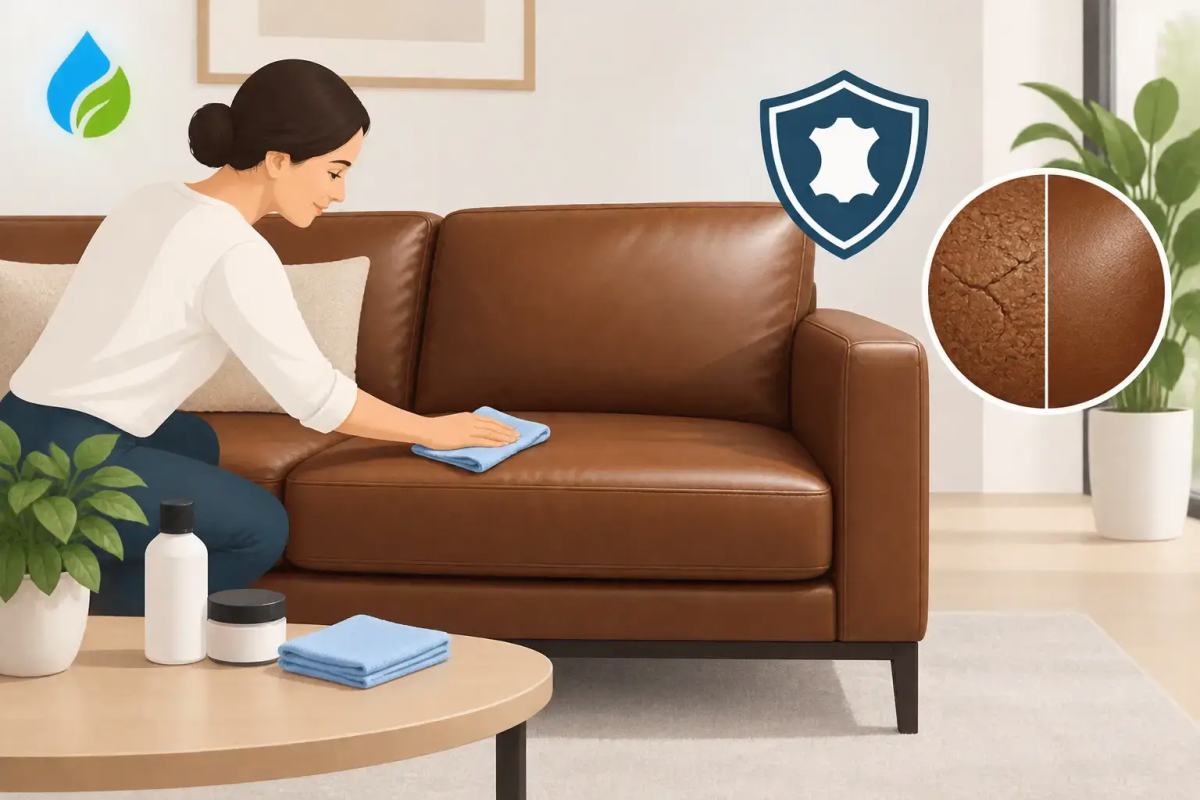
A leather lounge can handle family movie nights, wet swimmers after the beach and the occasional pet nap. What it does not handle well is being left to dry out under direct sun with body oils, dust and everyday grime sitting on its surface. To protect leather lounge from cracking, you need to manage both the leather’s moisture balance and the conditions around it.
Cracking is rarely a sudden problem. It usually starts as a dull finish, stiff feel or fine lines around the seat cushions and armrests. Act early and a good-quality lounge can stay comfortable and presentable for years. Leave it too long, and the finish may split or wear away, making professional restoration more difficult and more expensive.
Why leather lounges crack
Leather is a natural material, but most modern lounges also have a protective surface coating or finish. Over time, heat, sunlight, skin oils and friction wear that protection down. Once the surface becomes dry and less flexible, it cannot move as easily when someone sits down. Fine creases can then turn into visible cracks.
The areas that get the most use usually show damage first. Think seat cushions, the front edge of the lounge, armrests and headrests. A favourite spot can collect oils from hands, hair products, sunscreen and moisturiser every day. In busy households, crumbs and fine grit add mild abrasion each time someone shifts position.
Not all leather behaves the same way. Protected or pigmented leather is common in family lounges and is generally easier to maintain. Aniline and semi-aniline leather have a more natural feel but can be more sensitive to spills, sunlight and unsuitable cleaning products. Suede, nubuck, bonded leather and vinyl-look materials all need different treatment. That is why checking the manufacturer’s care instructions matters before applying any cleaner or conditioner.
Protect a leather lounge from cracking before it starts
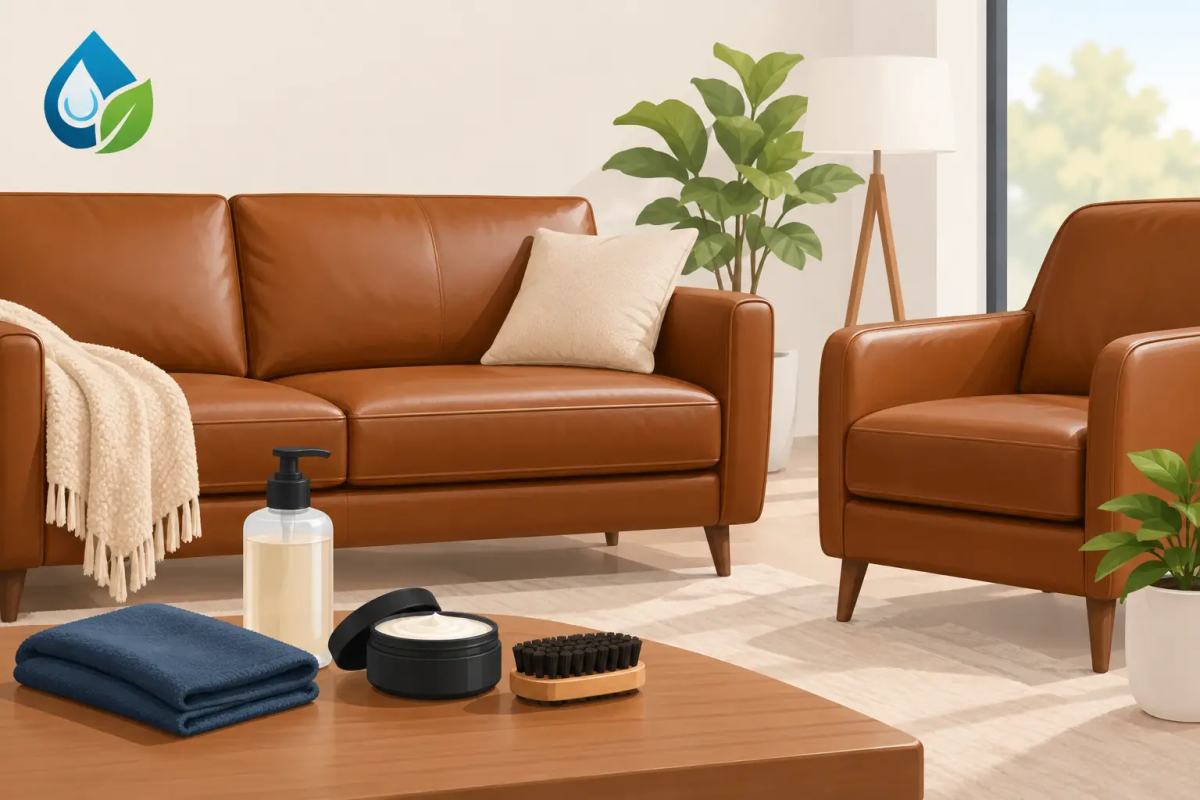
The simplest routine is regular dusting, gentle cleaning and occasional conditioning with products suited to your lounge’s leather type. This prevents grime building up and helps keep the leather flexible without leaving it greasy.
Vacuum the seams and cushion gaps weekly or fortnightly using a soft brush attachment. Dust and sand can settle in these areas, especially near open doors and windows, and act like fine sandpaper over time. Follow with a dry microfibre cloth to remove loose surface dust. Avoid rough cloths, scourers and stiff brushes, which can scratch the finish.
For routine cleaning, wipe the leather with a lightly damp microfibre cloth, then dry it straight away with a clean cloth. The aim is to lift surface dirt, not soak the lounge. Too much water can leave marks, affect the finish or work into seams and cushion edges.
When body oils or sticky marks are visible, use a leather cleaner designed for the specific type of leather. Apply it sparingly to a cloth rather than directly to the furniture, and test it first on a hidden area. Work one small section at a time and remove residue as directed. Household sprays, dishwashing liquid, disinfectant wipes and general-purpose cleaners can strip protective coatings or leave a residue that attracts more dirt.
Conditioning is useful, but more is not always better. A suitable leather conditioner can help maintain suppleness after cleaning, particularly in dry, air-conditioned rooms. Most lounges only need conditioning every six to 12 months, depending on use, leather type and how much sun the room receives. Applying conditioner too often, or using an oily product, can make the surface slick, darken some leathers and cause soil to cling to it.
Keep sun and heat off the leather
On the Northern Beaches, bright rooms are part of the appeal of a home. They can also be hard on leather furnishings. UV exposure fades colour and dries the surface, while strong heat speeds up moisture loss. If a lounge sits in a sunny window, cracking and colour change often appear on the exposed side first.
Move the lounge out of direct sunlight where practical. If the layout does not allow it, use blinds, curtains or UV-filtering window coverings during the harshest part of the day. Rotating loose cushions can also distribute wear more evenly, although fixed cushions will need consistent protection from the outset.
Keep at least a sensible gap between the lounge and heaters, fireplaces, radiators or ducted heating outlets. Avoid placing it directly under an air-conditioning vent as well. Constant hot or very dry airflow can leave leather feeling stiff. A stable indoor environment is kinder to both leather and the timber or metal components beneath it.
Deal with spills and everyday marks properly
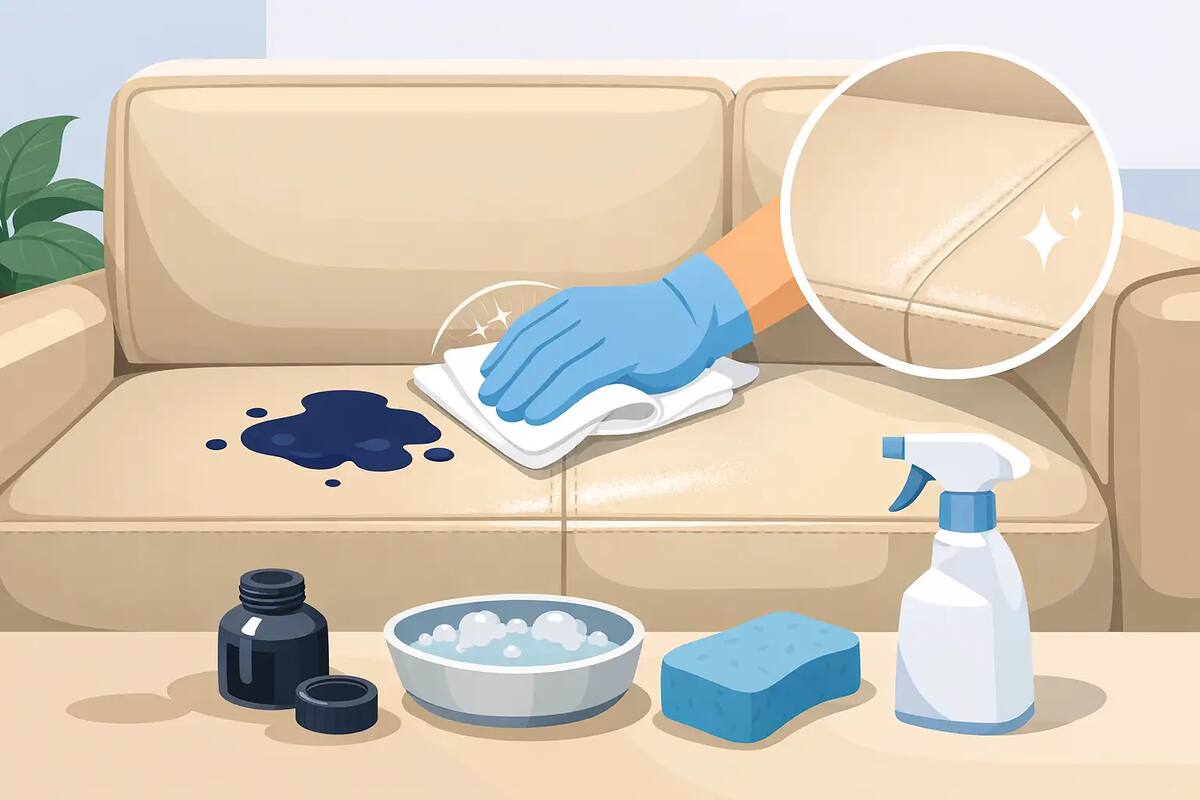
A quick response makes a real difference. Blot spills immediately with a clean, absorbent white cloth. Do not rub, as rubbing pushes liquid further into the leather and can spread the mark. For water-based spills, a lightly damp cloth may be enough, followed by drying with another soft cloth.
Oil, ink, makeup, sunscreen, pet accidents and dye transfer from dark denim need more care. Do not reach for solvents, alcohol, hairspray or kitchen remedies found online. These products may remove the stain but also remove colour, soften the coating or create a larger patch of damage.
If a mark is stubborn, stop before repeated scrubbing changes the finish. A professional leather cleaning service can assess the leather type, the contaminant and the condition of its protective coating before choosing a safe treatment. This is particularly worthwhile for pale leather, high-end furniture, commercial seating and marine upholstery exposed to salt air and sunscreen.
Avoid the habits that cause premature wear
A few everyday changes can noticeably extend the life of a leather lounge. Keep sharp buckles, rough denim hardware and pets’ claws away from the seating surface where possible. Place a throw over the most-used section if children, pets or regular guests always use the same seat, but choose a breathable fabric and remove it for routine cleaning.
Do not sit on armrests or the front edge of cushions. This concentrates pressure on areas that are not designed to flex constantly. Reposition removable cushions regularly and smooth them back into shape after use. If the lounge has recliner mechanisms, operate them gently and avoid trapping fabric, toys or cords around moving parts.
Be careful with improvised treatments. Olive oil, coconut oil, petroleum jelly, shoe polish and furniture polish are not leather-care products. They can leave uneven shine, attract dust and interfere with later professional cleaning or repair. Even products labelled for leather should be checked against the lounge manufacturer’s recommendations, as they may not suit coated, aniline or nubuck leather.
When a lounge needs professional leather care
Cleaning and conditioning at home is sensible maintenance, but it cannot reverse deep cracking, peeling or significant colour loss. If the lounge feels dry after cleaning, has visible cracking along the seat creases, has absorbed strong odours or shows a sticky residue, it is time to have it assessed.
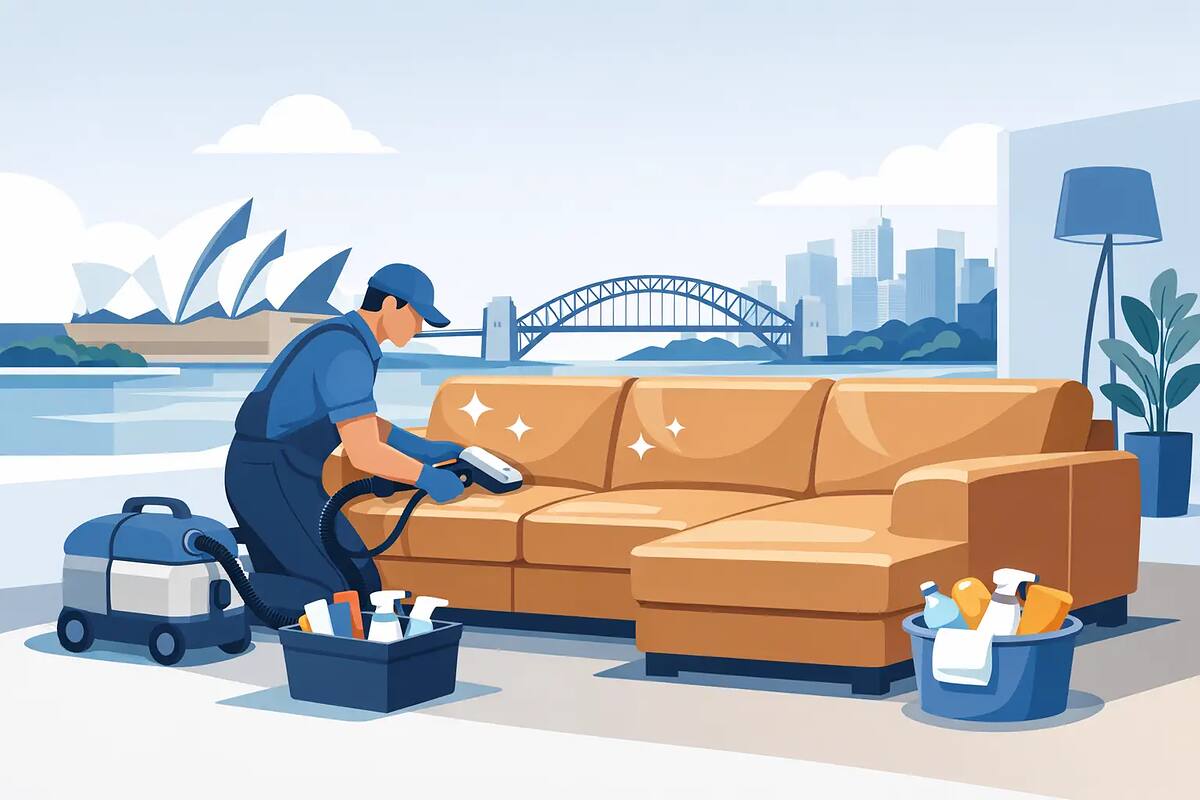
Professional care is also a practical option before putting a property on the market, at the end of a tenancy, or when a commercial reception area needs to look presentation-ready. Material-specific cleaners, controlled application methods and specialised extraction equipment can remove built-up soils without saturating the leather. The right process also helps reduce odours from pets, food and everyday use.
At Pro Wet & Dry, leather cleaning is approached according to the material and its condition, rather than treating every lounge the same way. That matters when you are trying to preserve a valuable piece of furniture, not simply make it look cleaner for a day.
A simple maintenance schedule
For most homes, a quick weekly dust and seam vacuum is enough to prevent abrasive build-up. Clean visible body oils and marks as they occur, then give the lounge a more thorough leather-safe clean every three to six months. Condition only when appropriate for the leather and product instructions, usually every six to 12 months.
A busy family room, holiday rental, office waiting area or boat cabin may need more frequent attention. Salt air, sunscreen, food spills and constant use change the schedule. The key is not to wait until the leather has already become dry, faded or cracked.
A well-maintained leather lounge should develop character, not damage. Give it gentle cleaning, sensible protection from sun and heat, and early attention when marks or dryness appear. That regular care keeps the leather soft to sit on, easier to clean and looking at home in your space for much longer.
Leather Care
Need a hand with this?
Specialised cleaning and conditioning to restore leather lounges and keep them supple. Pro Wet & Dry has been cleaning on the Northern Beaches since 2001.
Or call 1300 132 273