Tips & guides
Marine Upholstery Cleaning Sydney That Works
Marine upholstery cleaning Sydney owners can rely on for cleaner cushions, fresher cabins and fast drying without risking delicate marine fabrics or vinyl.
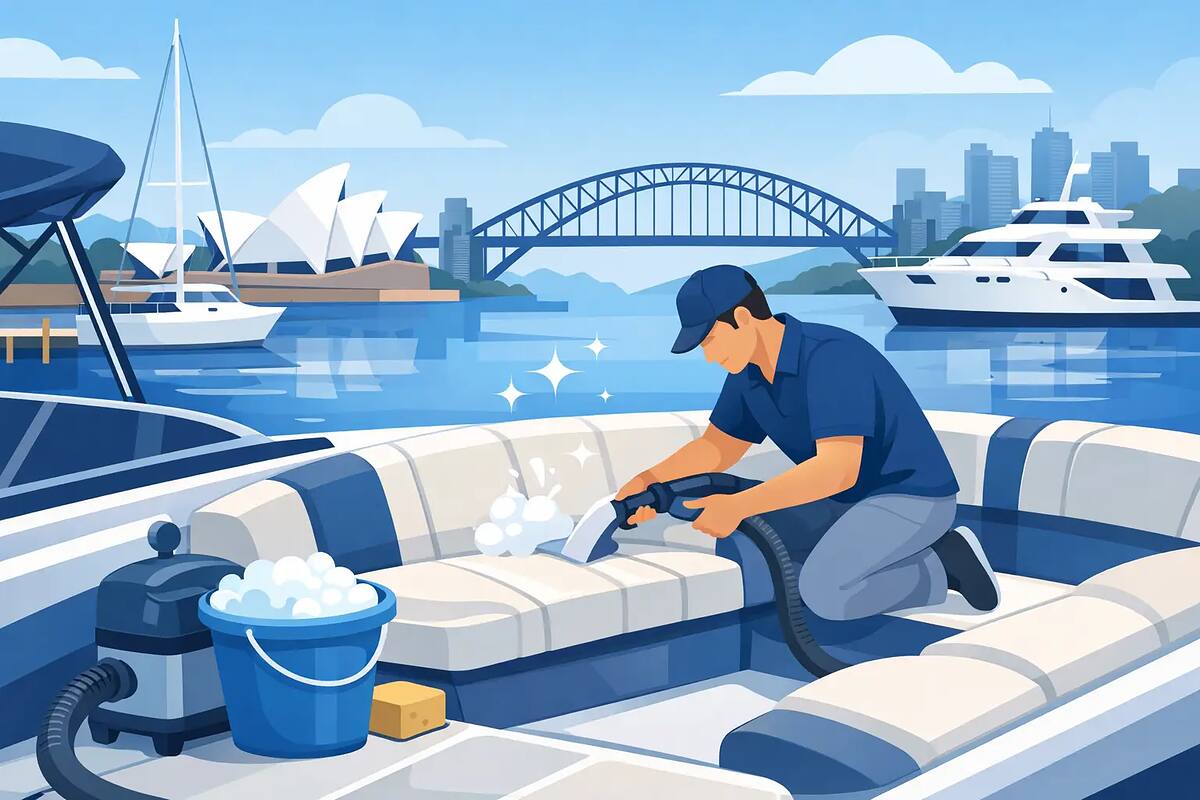
Salt spray, wet swimmers, sunscreen, bait residue and enclosed cabin air can make boat cushions look tired and smell stale far faster than indoor furniture. Professional marine upholstery cleaning Sydney boat owners rely on is not simply a matter of spraying a cleaner and giving the seats a quick scrub. Marine fabrics, vinyl, foam and backing materials need the right treatment if they are to come up clean without being over-wet, discoloured or left with a lingering odour.
For owners across the Northern Beaches, a clean boat is about more than presentation at the marina. It makes the vessel more comfortable for family and guests, helps protect expensive upholstery, and gets the cabin ready for the next weekend away. The job needs to be done properly, with cleaning methods matched to the material and drying managed carefully in a marine environment.
Why boat upholstery gets dirty differently
A lounge in a house deals with dust, food spills and everyday traffic. Boat upholstery deals with those things as well as salt, moisture, UV exposure and restricted airflow. The result is often a mix of visible grime and problems sitting deeper in the fabric or foam.
On exterior seating, sunscreen and skin oils can leave vinyl looking dull or patchy. Salt can dry on surfaces and attract moisture again later. Fishing trips may bring bait, fish oil and muddy footprints. In cabins, damp towels, wet gear and closed-up hatches create the conditions for musty smells and mildew growth.
These issues can be connected. A cushion may look clean enough on the surface but still smell unpleasant because moisture and organic residue have travelled into the foam. Equally, harsh cleaning can remove surface dirt while stripping protective finishes or affecting stitching. That is why an all-purpose household cleaner is rarely the best answer.
Marine upholstery cleaning Sydney owners can trust
The right process starts with identifying what is actually being cleaned. Marine upholstery can include woven fabric cushions, canvas-style materials, vinyl seating, leather trim, carpeted cabin areas and foam-backed panels. Each reacts differently to moisture, agitation and cleaning products.
A professional inspection checks the material, condition, colour stability and the source of staining or odour before treatment begins. This matters particularly with older cushions, sun-exposed vinyl and upholstery that has already been cleaned with unsuitable products. A stain that looks straightforward may contain sunscreen, tannin, food dye, oil or mould-related residue, and each may need a different approach.
For fabric upholstery, controlled low-moisture or hot-water extraction can lift embedded soils while industrial recovery equipment removes as much dirty water as possible. The goal is not to soak the cushions. It is to flush out contaminants efficiently, recover the moisture, and support faster drying.
Vinyl needs a different method. It can hold body oils, grime and sunscreen in its textured finish, but excessive scrubbing or strong solvents can damage the surface. Material-safe cleaning helps restore a cleaner, more even appearance without leaving the seats slippery or tacky. Where appropriate, a suitable protectant can also make routine wipe-downs easier and reduce grime build-up.
Odours need more than fragrance
A deodoriser can make a cabin smell better for a short time, but it will not solve an odour source trapped in foam, fabric backing or carpet. Pet-like smells, mildew, fish odours and stale dampness need to be treated at their source.
The best method depends on the cause. Sometimes it is a targeted treatment combined with extraction. Other times, the upholstery needs careful drying and ventilation after cleaning to stop moisture remaining in the filling. If mould is established or foam has been repeatedly saturated, cleaning may improve the situation but cannot always reverse physical deterioration. Being clear about that trade-off is part of getting the job done properly.
What a professional clean can improve
A thorough marine upholstery service is designed to remove everyday build-up that routine wiping cannot reach. Results vary according to age, fabric type, sun damage and the nature of the stain, but most boat owners notice a meaningful difference in the areas they use every trip.
Professional treatment can help with:
- ground-in grime, body oils and sunscreen residue
- food and drink spills, bait marks and fish-related odours
- musty cabin smells caused by damp conditions
- staining on fabric cushions, carpet and soft cabin furnishings
- dull, dirty-looking vinyl seating and trim
It is worth setting realistic expectations. Permanent sun fading, cracked vinyl, bleach damage and deep mould staining are material damage, not simply dirt. Cleaning cannot replace missing colour or repair failing upholstery. It can, however, remove accumulated soil that is making wear look worse than it is, helping the vessel look cared for again.
Fast drying matters on a boat
Drying is one of the biggest differences between a good clean and a problem waiting to happen. Too much moisture left in a cushion can encourage odours, create tide marks and keep the boat out of use longer than necessary. In a closed cabin, that moisture has nowhere to go quickly.
Specialised extraction equipment makes a real difference because it recovers water and suspended dirt rather than pushing moisture further into the cushioning. Air movement, access to ventilation and the weather on the day also affect drying time. Exterior cushions may dry quickly in suitable conditions, while thicker cabin upholstery or foam-backed seating can take longer.
A reputable cleaner will explain what to expect rather than promising an unrealistic dry time. If the boat is stored under cover, closed up or due to head out that afternoon, say so before the work begins. The cleaning plan can then be adjusted around access, drying conditions and how soon you need the vessel back in use.
When to book a clean
Many owners wait until the boat is being listed for sale, returned after a long season, or has an obvious stain. Those are all good reasons to arrange a clean, but regular maintenance is usually the easier and more cost-effective option. Removing salt, oils and damp-related residue before they build up reduces the chance of persistent odours and makes later cleaning more straightforward.
A practical schedule depends on how the boat is used. A family cruiser used most weekends through summer may benefit from a professional clean at the end of the season, plus spot treatment as needed. A charter vessel, fishing boat or vessel with frequent guests may need more regular attention. For a boat that sits unused for months, booking a clean after an unexpected leak, storm exposure or mould smell is often more urgent than following a calendar.
Before a professional visit, remove loose gear, personal items and detachable covers where possible. Let the cleaner know about previous staining attempts, water leaks, mould concerns or any areas that need extra attention. That information saves time and helps ensure the right products and equipment are brought to the job.
Avoid the common DIY mistakes
Boat owners are often tempted to use whatever cleaner is already in the garage. The problem is that marine upholstery is exposed to enough stress without adding excessive chemicals or water. Bleach may lighten stains but can weaken fibres and stitching. Strong degreasers can affect vinyl finishes. Over-wetting fabric cushions can leave moisture deep in the foam, where it becomes an odour problem later.
Another common mistake is scrubbing one spot aggressively. This can create a clean patch surrounded by soil, flatten fabric pile or spread the stain outwards. Blotting fresh spills promptly with a clean, absorbent cloth is sensible. For anything oily, coloured, smelly or set into the material, professional treatment is usually the safer move.
Routine care between cleans is simple: brush off sand, wipe vinyl after use, air out enclosed areas when conditions allow, and avoid packing away wet towels or cushions. These small habits do not replace deep cleaning, but they give dirt and moisture less time to settle in.
Local service for Northern Beaches boat owners
Whether your vessel is kept near Newport, Mona Vale, Avalon, Narrabeen, Dee Why or elsewhere around Sydney, marine upholstery cleaning should be treated as specialist work. Pro Wet & Dry uses material-specific methods and professional recovery equipment to clean marine fabrics, vinyl and cabin soft furnishings with a focus on visible results and practical drying times.
If the cushions are looking grubby, the cabin has picked up a damp smell, or a spill is taking the shine off the next trip, dealing with it early is usually the best call. A properly cleaned, well-dried interior lets you step aboard knowing the boat is ready to use, not another job waiting for the weekend.
Marine Upholstery
Need a hand with this?
Boat carpets, cushions, vinyl and cabin upholstery cleaned and freshened up. Pro Wet & Dry has been cleaning on the Northern Beaches since 2001.
Or call 1300 132 273