Tips & guides
Upholstery Cleaning Northern Beaches That Works
Professional upholstery cleaning Northern Beaches homes, offices and boats can rely on for stain, odour and grime removal with faster drying times too.
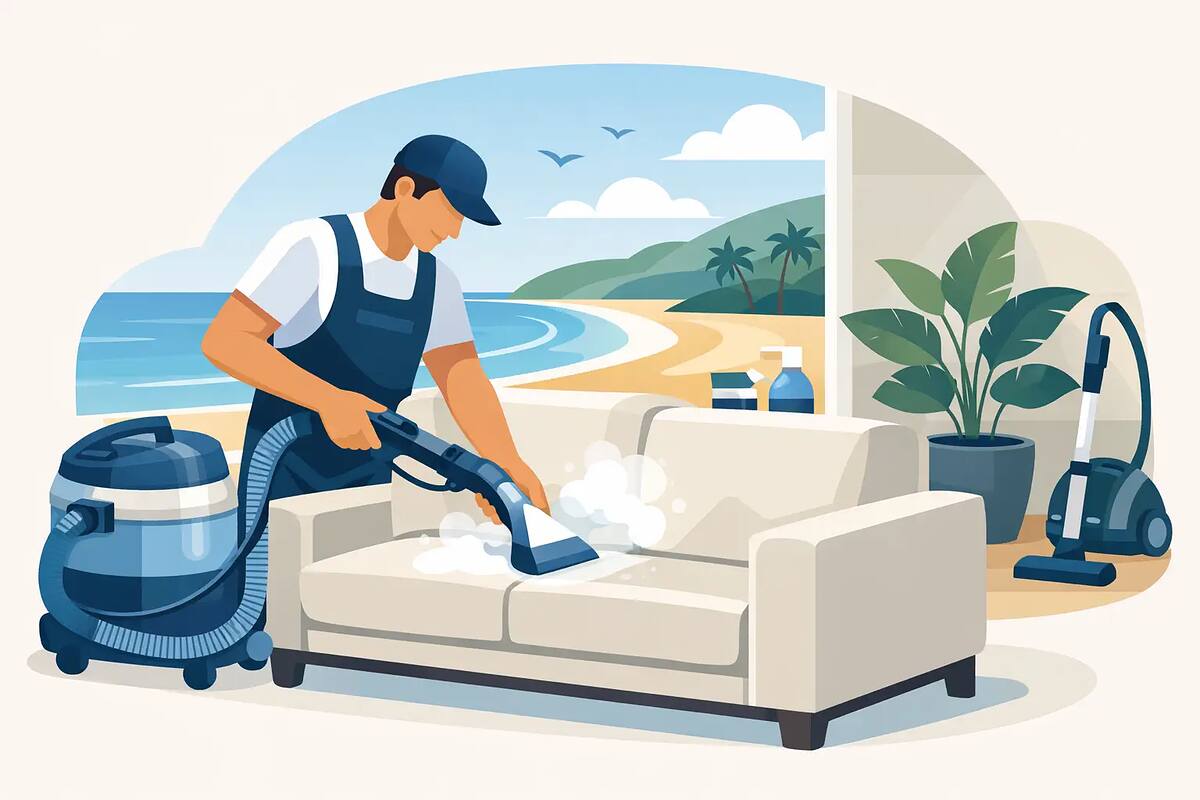
A lounge can look reasonably clean until the afternoon sun hits it. That is when the hand marks on the arms, the darker seat cushions and the faint ring from an old spill become hard to ignore. Professional upholstery cleaning Northern Beaches households rely on is not simply about making fabric look brighter. Done properly, it removes the dirt, oils, allergens and odours sitting below the surface without leaving your furniture over-wet or damaged.
For families, pets, tenants, landlords and business owners, upholstered furniture gets a lot more use than most people realise. Sofas, dining chairs, fabric bedheads, office seating and boat cushions collect body oils, food residue, dust and airborne pollutants every day. Regular vacuuming helps, but it cannot pull out the grime that has worked into the fibres.
Why upholstery gets dirty faster near the coast
Northern Beaches homes have their own mix of upholstery challenges. Sand is abrasive and easily carried inside on feet, towels and pets. Salt air, humidity and open windows can add to the build-up of moisture and fine particles, particularly in homes close to the water. A pale sofa in Avalon, a family lounge in Dee Why or fabric seating on a vessel at Newport can all show wear sooner than expected.
Then there is everyday life. Kids eat on the couch. Dogs claim a favourite cushion. Coffee gets knocked over during an early start. Even clean-looking furniture gradually takes on oils from skin and hair, especially around headrests and armrests. Those areas often darken because soil sticks to the oily residue, not because the fabric itself has changed colour.
The answer is not always to clean more aggressively. Upholstery is made from a wide range of natural, synthetic and blended fibres, each with different tolerances for water, heat and cleaning agents. The wrong product can leave water marks, strip colour, stiffen the fabric or spread a stain further.
Upholstery cleaning Northern Beaches homes can trust starts with the fabric
A proper clean begins with identification, inspection and testing. Cotton, linen, wool, polyester, microfibre, velvet and delicate blends all need different handling. Leather is another category again, requiring cleaning and conditioning rather than steam extraction.
Before any cleaning starts, a technician should inspect the furniture for loose seams, weakened backing, existing colour loss, previous cleaning residues and the source of visible marks. This matters because a red wine spill, pet urine spot, ink mark and general traffic soil are not treated in the same way.
For many durable fabric lounges and chairs, hot-water extraction is an effective option. A suitable pre-treatment loosens embedded soil, then specialised equipment flushes the fabric and recovers the dirty solution. The recovery stage is where domestic hire machines often fall short. They may apply water, but lack the vacuum power to remove enough of it along with the loosened grime.
For fabrics that should not be heavily wetted, low-moisture or dry-cleaning methods may be the safer choice. The goal is not to use one method on every piece of furniture. It is to choose a method that gets the job done properly while protecting the material.
Stains, odours and the difference between surface cleaning and treatment
A fresh spill is always easier to deal with than one that has dried and been rubbed into the fabric. Blot it promptly with a clean, white absorbent cloth and avoid scrubbing. Scrubbing can push the spill deeper, distort the pile and create a larger visible patch.
Avoid soaking upholstery with supermarket sprays or mixing household products. Bleach, dishwashing liquid, vinegar and heavily perfumed sprays can all cause problems depending on the fabric and the original stain. They can also leave residues that attract more soil after the area dries.
Some stains can be improved substantially, while others may leave permanent colour change. This is particularly true of old dyes, bleach damage, nail polish, ink and marks that have been treated repeatedly with unsuitable products. Honest upholstery cleaning means setting realistic expectations before work begins, not promising that every mark will disappear.
Odours need the same practical approach. A deodoriser may freshen fabric temporarily, but it will not solve a urine, milk, mould or flood-related odour if the source remains in the cushion filling, backing or frame. Pet accidents often require targeted treatment that breaks down the contamination, followed by appropriate extraction and drying. When the issue has travelled into the foam, the furniture may need more involved work than a standard surface clean.
Fast drying is part of a good result
People put off cleaning a sofa because they picture damp cushions and a lounge room out of action for days. Drying time depends on the fabric, soil level, weather, ventilation and cleaning method, but good equipment and controlled moisture make a real difference.
Industrial extraction equipment removes more moisture from the upholstery during cleaning. Air movement, open windows where conditions allow, fans and sensible cushion positioning can also help speed the process. In humid conditions, particularly after wet weather, drying can take longer. A reputable cleaner should explain what to expect rather than give a one-size-fits-all promise.
Until the furniture is dry, keep pets and children off it where possible. Avoid placing cushions directly against one another, as this slows airflow and can transfer moisture. Once dry, a quick vacuum can lift the fabric pile and restore a more even finish.
When professional cleaning is worth it
Not every small spot requires a full professional service. If a spill is fresh, minor and on a fabric you know well, careful blotting and a manufacturer-approved cleaner may be enough. But professional cleaning becomes the sensible option when you are dealing with ingrained soil, recurring smells, large stains, pale or delicate fabric, pet contamination, allergy concerns or furniture that has not been cleaned for years.
It is also useful before an end-of-lease inspection, a property sale, new tenants moving in or a busy season for a café, office or holiday property. Clean seating changes how a room feels. It also helps protect the life of furniture that would be expensive to replace.
Commercial and marine settings need particular care. Office chairs, waiting-room seating and hospitality banquettes must be cleaned with minimal disruption and practical drying times. On boats, salt air, humidity and confined spaces can make odour control and fabric care more demanding. The right equipment and material-specific products matter more than a quick cosmetic pass.
Keeping furniture cleaner between services
Professional cleaning works best alongside simple routine care. Vacuum upholstered furniture regularly using a suitable upholstery attachment, including under removable cushions and along seams where dust and crumbs settle. Rotate loose cushions if the manufacturer allows it, so one seat does not take all the wear.
Use throws in high-use pet or family areas if that suits the room, and deal with spills straight away. Keep furniture out of prolonged direct sunlight where possible, as sun exposure can fade fabric regardless of how clean it is. Most households benefit from a professional clean every 12 to 24 months, although homes with pets, young children, allergies or frequent entertaining may need it sooner.
For Northern Beaches homes and businesses, the best result comes from treating upholstery as a valuable surface rather than an afterthought. Pro Wet & Dry uses specialised methods for fabric, leather and furnishings so the cleaning approach matches the material and the problem. A well-cleaned lounge should look fresher, smell cleaner and be ready to use without a long wait - which is exactly what busy homes, workplaces and vessels need.
Upholstery Cleaning
Need a hand with this?
Lounge, sofa and chair cleaning for fabric and leather, at home or in commercial spaces. Pro Wet & Dry has been cleaning on the Northern Beaches since 2001.
Or call 1300 132 273