Tips & guides
Upholstery Cleaning Safety Starts Before Cleaning
Upholstery cleaning safety protects fabrics, people and pets. Learn how to handle stains, products, drying and professional cleaning with confidence.
A lounge can look like it only needs a quick freshen-up, but the wrong cleaner or too much water can leave it faded, sticky, water-marked or smelling worse than before. Upholstery cleaning safety is about protecting the people using the furniture, as well as the fabric, foam, dyes and timber underneath it.
That matters whether you are dealing with a wine spill on a fabric sofa, pet odour in a favourite armchair, greasy marks in a waiting-room lounge or salt air and moisture on marine upholstery. A safe clean starts with identifying what the furniture is made from and choosing a method that removes the problem without creating another one.
Why upholstery cleaning needs a different approach
Upholstery is not one surface. A sofa may have synthetic fabric on top, foam cushioning underneath, webbing and timber in the frame, plus glue, metal fittings or delicate piping around the edges. Moisture that is safe on one layer may damage another.
Natural fibres such as cotton, linen, rayon and viscose can shrink, brown or distort if they are overwet. Wool needs controlled chemistry and careful rinsing. Some velvets can develop pressure marks or an uneven pile if scrubbed. Leather requires a completely different process again, as standard fabric detergents can strip protective finishes and dry the hide out.
This is why a general-purpose spray from the supermarket is not always the safe option. Strong alkaline products, bleach, solvents and heavily fragranced deodorisers can all cause trouble when used on the wrong material or left behind in the fabric. The aim is not simply to make a stain less visible. It is to clean, rinse and dry the furnishing properly.
Upholstery cleaning safety begins with the fabric label
Check the manufacturer’s cleaning label before applying anything. Many upholstered items use care codes, although they are not universal and labels can be missing or inaccurate on older furniture. As a broad guide, W usually indicates water-based cleaning is suitable; S indicates solvent-based cleaning; WS means either may be appropriate; and X generally means vacuuming only or professional assessment.
Treat these codes as a starting point, not a guarantee. Fabric construction, dye stability, previous treatments and the type of stain still affect the right method. If a lounge has already been treated with several products, for example, a technician needs to account for those residues before cleaning.
When there is any uncertainty, test in a concealed area first. Choose a section under a cushion or near the rear of the furniture, then use only a small amount of the intended product. Check for colour transfer, texture change, water rings or a sticky finish after it dries. A patch test takes a few minutes. Replacing a damaged cushion cover is far more inconvenient.
Be cautious with imported and delicate fabrics
Viscose, rayon, silk, loose-weave linen, unprotected cotton and some printed fabrics are higher-risk materials. They often need low-moisture methods, specialised products and controlled drying rather than a standard steam clean. The same applies to antique furniture, designer pieces and furnishings with deep-buttoning, feather-filled cushions or intricate trims.
If the furniture is valuable or the fabric is unfamiliar, stop before applying a DIY product. A professional inspection can determine what is safe to use and whether the stain can be treated without risking the finish.
Use cleaning products safely around people and pets
A product can be marketed as effective and still be unsuitable for a particular home, workplace or fabric. Read the directions, dilution rate and safety warnings rather than assuming more product will work better. Over-applying detergent is one of the most common causes of rapid re-soiling, because residue attracts dirt after the lounge goes back into use.
Never mix cleaning products. Combining chemicals, especially products containing bleach, ammonia, acids or solvents, can create harmful fumes or unpredictable reactions. If one treatment has not worked, rinse or extract the area first and seek advice before trying another product.
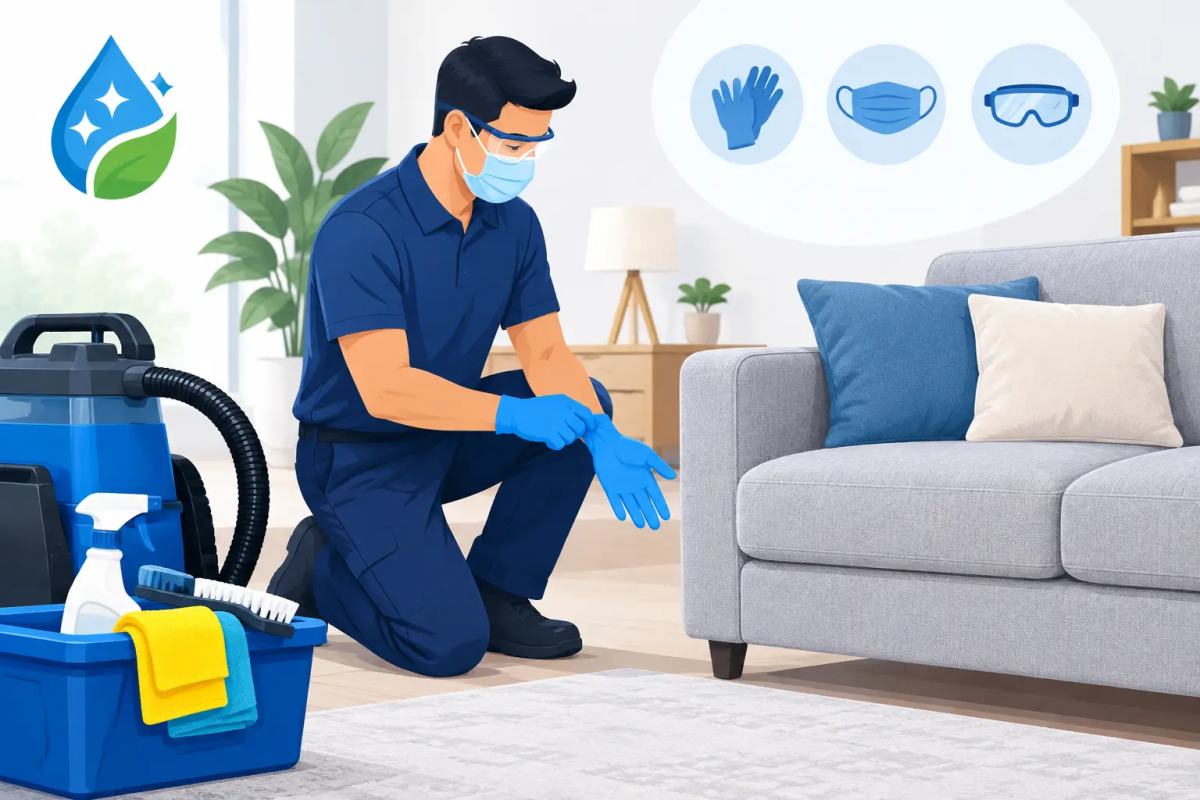
Good ventilation makes a real difference. Open windows and doors where practical, particularly when using spot cleaners, odour treatments or solvent-based products. Keep children and pets away until the upholstery is dry and any cleaning product has been fully removed according to its directions. This is particularly relevant for pets that lick cushions, and young children who spend plenty of time on the floor and furniture.
If anyone in the household has asthma, allergies or chemical sensitivities, tell the cleaner before work begins. The treatment can then be selected with that in mind, and the room can be aired properly before normal use resumes.
Do not overwet the cushions
Water is useful for flushing out water-based spills, but excessive moisture is a major upholstery risk. A heavily soaked cushion may take days to dry through its foam core, even if the surface feels dry. That can lead to musty odours, mould growth, brown water marks, adhesive failure and damage to the frame below.
Steam cleaning does not mean filling the furniture with steam. A properly controlled hot-water extraction process uses measured solution, effective agitation where suitable, strong recovery equipment and fast drying. The recovery stage is crucial. It removes soil, cleaning residue and moisture instead of pushing them deeper into the padding.
Drying conditions matter as much as the cleaning method. Airflow, humidity, fabric thickness and the condition of the foam will all affect drying time. Use fans and ventilation where possible, avoid sitting on the lounge while it is damp, and do not replace cushions until all sides are dry. In humid weather or after a water-damage event, industrial air movement and dehumidification may be needed.
Watch for electrical and structural hazards
Recliners, electric sofas and adjustable beds need extra care. Disconnect power where appropriate and avoid spraying near switches, motors, charging ports and wiring. Water can also run into the underside of furniture, so cleaning around seams, buttons and mechanism housings needs a controlled approach.
For flood-affected furniture, the concern is larger than a visible water line. Contaminants can enter the foam and frame, and prolonged dampness may make restoration impractical. A prompt assessment helps determine whether the item can be cleaned and sanitised safely or whether disposal is the safer choice.
Safe stain removal is about speed, not panic
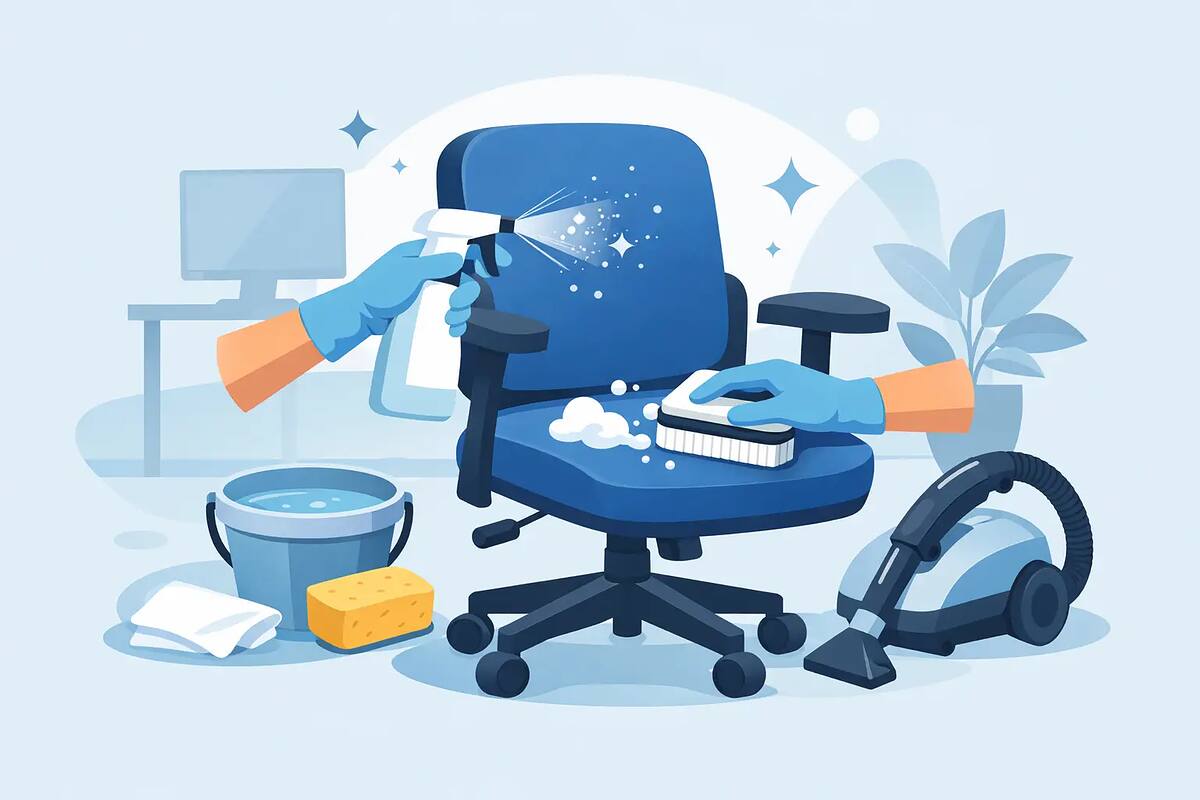
For fresh spills, blot gently with a clean white cloth or paper towel. Work from the outer edge towards the centre to avoid spreading the stain. Do not scrub hard, as this can damage fibres and force the spill further into the cushion.
Avoid pouring water straight onto the area, particularly on delicate or unknown fabrics. Blotting up as much liquid as possible is usually the best first move. Keep any packaging or details about the spill if you can - knowing whether a stain is coffee, makeup, red wine, pet urine or cooking oil helps determine the correct treatment.
Pet accidents need more than a surface clean. Urine can travel through fabric into foam and backing, where it produces recurring odour as humidity rises. Masking it with fragrance rarely fixes the cause. Effective treatment needs to reach the affected layers, neutralise the contamination where possible and dry the area thoroughly.
When professional upholstery cleaning is the safer choice
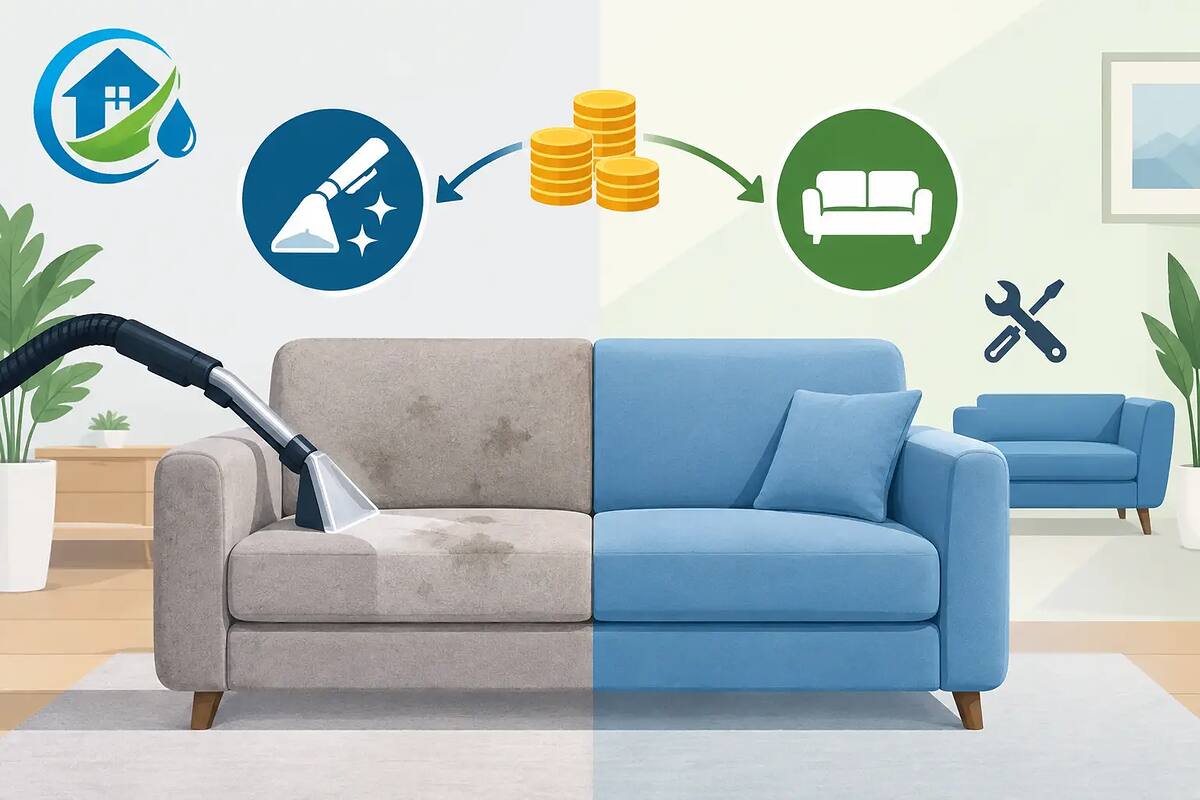
DIY cleaning has a place for careful blotting and routine vacuuming, but it has limits. Set-in stains, body-oil build-up, odours, water marks and delicate fabrics usually need more than a rental machine or spot spray. Rental equipment can leave too much moisture behind, while the wrong chemical can set stains or alter the fabric permanently.
A professional cleaner should inspect the upholstery first, identify fibre type and construction, test dyes where needed, and match the process to the material. This may involve hot-water extraction, low-moisture cleaning, specialised stain treatment, deodorisation or leather-specific care. The right equipment also provides stronger soil and moisture recovery, helping furniture dry faster and return to use sooner.
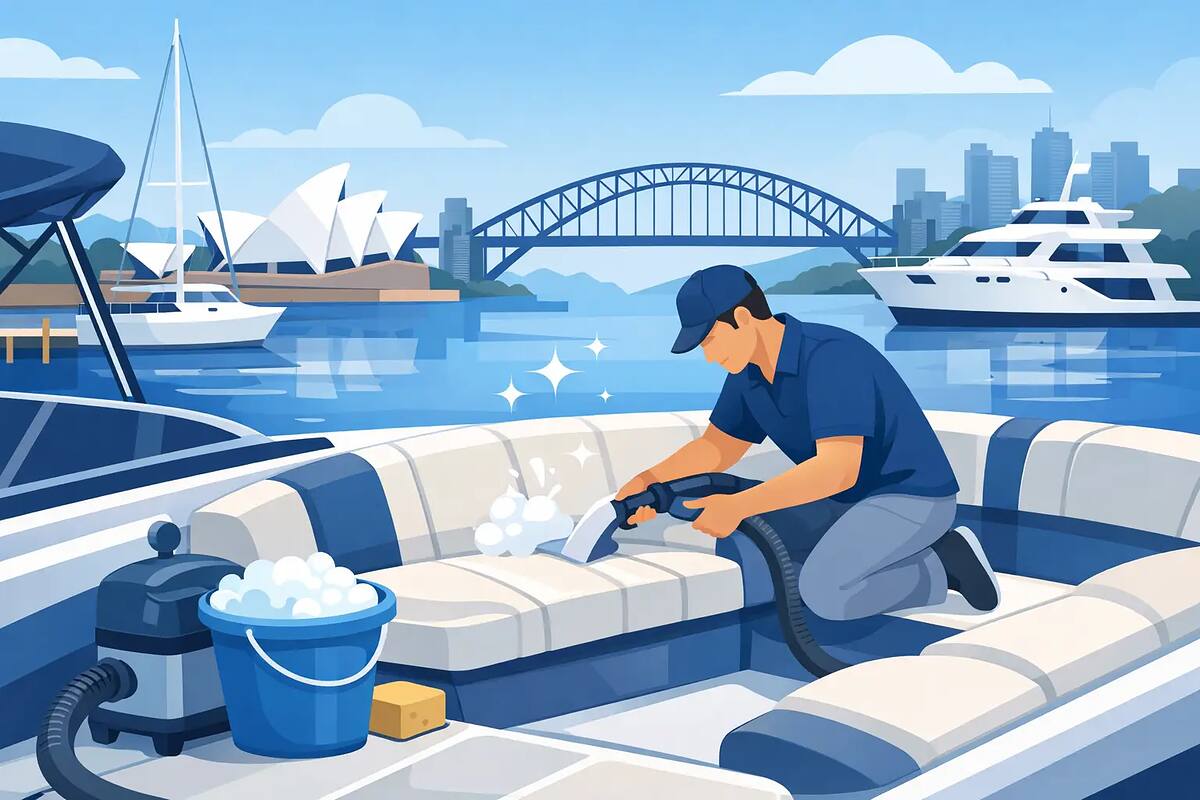
For homes, offices, hospitality venues and boats across the Northern Beaches, Pro Wet & Dry uses material-specific methods rather than a one-method-fits-all approach. That is particularly useful for expensive lounges, persistent pet odours, commercial seating and furnishings exposed to coastal moisture.
Keep upholstery safer between professional cleans
Regular vacuuming removes dry soil before it becomes abrasive grit in the fabric. Rotate loose cushions where possible, deal with spills promptly and keep food, sunscreen and oily products away from light-coloured upholstery. In commercial settings, scheduled maintenance is often safer and more cost-effective than waiting until seating is heavily stained or carrying odours.
The safest result is not the strongest-smelling product or the wettest clean. It is furniture that is genuinely clean, properly rinsed, dry enough to use with confidence and still in good condition for years to come.
Upholstery Cleaning
Need a hand with this?
Lounge, sofa and chair cleaning for fabric and leather, at home or in commercial spaces. Pro Wet & Dry has been cleaning on the Northern Beaches since 2001.
Or call 1300 132 273