Tips & guides
Air Conditioner Mould Cleaning Service Northern Beaches
Need an air conditioner mould cleaning service? Remove mould, odours and grime for cleaner airflow at your Northern Beaches home or local business today.
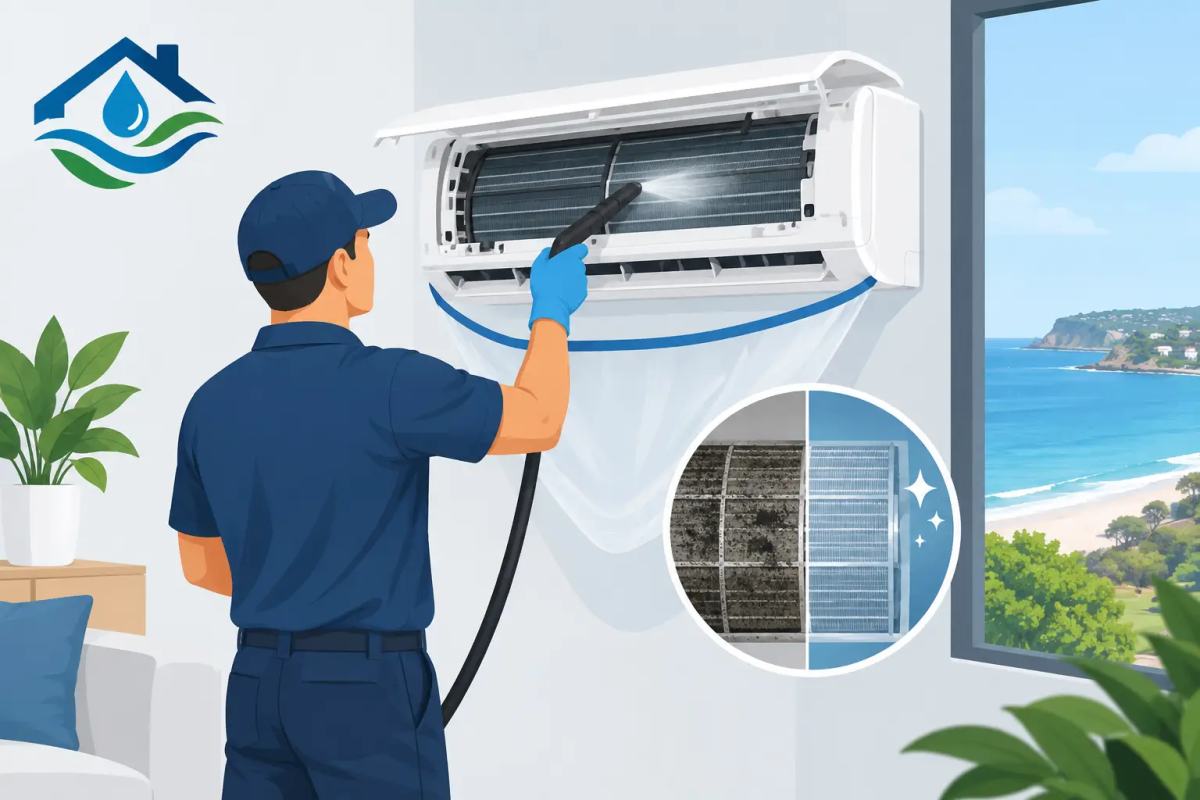
That musty smell when the air conditioner starts is not something to cover up with a diffuser. It can be a sign of mould, moisture and built-up grime inside the unit. A professional air conditioner mould cleaning service targets the contamination where it sits, helping restore cleaner airflow and a fresher room.
For homes, offices, retail spaces and marine cabins, air conditioning cleaning is about more than appearance. A system that looks clean from the outside may still have dirty filters, mould around the outlet, or residue in the parts that handle condensation. Getting the job done properly means cleaning the relevant components carefully, containing the mess and making sure the unit is left ready to use.
When an air conditioner needs mould cleaning
Mould needs moisture, a food source such as dust and organic residue, and time. Air conditioners can provide all three. During cooling, condensation forms within the system. If filters are loaded with dust, drainage is poor, or the unit is not used for long periods, that damp environment can encourage mould growth.
The most common sign is a stale, damp or sour odour when the unit is switched on. You may also see dark spotting around vents or on the louvres, notice dust blowing into the room, or find that family members are more bothered by allergy-like symptoms while the system is running. Visible mould is a clear reason to arrange cleaning, but you do not need to wait until it becomes obvious.
In rental properties, a mouldy air conditioner can also become a handover issue. Tenants want a clean, usable system, while landlords and property managers need maintenance carried out without creating unnecessary disruption. For businesses, unpleasant odours from a wall-mounted split system can quickly affect staff comfort and the impression made on customers.
What a professional air conditioner mould cleaning service involves
The right approach depends on the type of unit, its condition and how accessible the affected areas are. A light build-up around an outlet is very different from a system with heavy grime on filters, louvres and internal surfaces. The goal is not to spray perfume through the unit. It is to remove the contamination and residue that causes the problem.
A thorough service generally starts with an inspection of the visible unit, filters, outlet and surrounding surfaces. Filters are cleaned or assessed for replacement where needed. Accessible components are treated using suitable cleaning methods and products, with care taken around electrical parts and finishes. The work area is protected and recovered so dirty runoff and loosened debris do not end up on walls, furniture, carpet or flooring.
At Pro Wet & Dry, specialised cleaning equipment and material-appropriate products are used to deal with difficult grime while protecting the space around the unit. This matters in furnished homes, strata properties, offices and boats, where water overspray or careless cleaning can create a second problem.
Cleaning is different from a mechanical repair
Mould cleaning improves hygiene, odour and presentation, but it will not fix every air conditioning fault. If the unit is leaking, not draining properly, making unusual noises, failing to cool, or showing an error code, it may also need assessment by a licensed air conditioning technician.
That distinction is worth making early. Cleaning can remove the mould and residue that has built up, but an unresolved drainage or mechanical issue can allow it to return. Where necessary, cleaning should sit alongside the appropriate servicing or repair work.
Why DIY cleaning can fall short
Wiping the front cover and rinsing a filter is useful regular maintenance. It can reduce surface dust and keep the unit looking presentable. However, it often does not reach the places where odour-causing residue collects, particularly behind louvres, around internal surfaces and near condensation areas.
Household bleach, harsh chemicals and excessive water are also risky choices. They may damage plastic, coatings or nearby finishes, and they can create fumes in an enclosed room. A heavily soiled unit can release dirty water and debris if it is dismantled or flushed without the right containment.
DIY cleaning has a place for simple upkeep between appointments. For persistent smells, visible mould, neglected units or high-use commercial systems, professional equipment and controlled cleaning methods deliver a more reliable result.
The benefits you notice straight away
After an effective clean, the first difference is usually the smell. The stale burst of air when the system starts should be reduced or gone, leaving the room feeling fresher. Clean filters and outlets also improve the presentation of the unit, which is especially useful before inspections, property handovers or reopening a commercial space.
The longer-term benefit is prevention. Regular cleaning removes the dust and residue that can feed mould growth. It also gives you a chance to spot signs of moisture issues before they become more difficult and costly to manage.
For Northern Beaches homes, salt air and humid weather can add to the challenge, particularly in coastal properties that are closed up for periods of time. Marine vessels face similar conditions in compact cabins, where damp odours can linger. In these settings, prompt cleaning helps keep interior spaces comfortable and usable.
How often should air conditioners be cleaned?
There is no single schedule that suits every property. A lightly used bedroom unit may only need regular filter care and periodic professional cleaning. A system used daily in a busy family home, pet-friendly property, café, office or treatment room will generally need more attention.
As a practical guide, clean or check filters regularly according to the manufacturer’s instructions and arrange professional attention when you notice odour, visible mould, reduced airflow or heavy dust. It is also sensible to book cleaning before summer if the unit has sat unused through winter, or before a property is advertised for lease or sale.
If mould comes back quickly after cleaning, do not simply repeat surface cleaning. Look for the cause. Poor drainage, a persistent leak, high indoor humidity or a fault in the unit may need separate attention.
Preparing your property for cleaning
A little preparation helps the work move quickly. Clear small furniture, ornaments and electronics away from the area below the unit where practical. Let the cleaner know about previous leaks, strong odours, visible mould, pets or any access restrictions before the appointment.
For commercial premises, timing matters. Many businesses prefer cleaning before opening, after closing or during a quieter period to minimise interruption. For property managers and landlords, arranging access and advising occupants of the expected work can avoid delays on the day.
Choosing a cleaner for mouldy air conditioners
Ask how the cleaner will protect surrounding furnishings and manage dirty water or residue. The answer should be practical, not vague. You also want a provider who understands that cleaning methods need to suit the surface, the level of contamination and the environment, whether that is a lounge room, office, shopfront or boat cabin.
Fast drying and careful recovery are particularly valuable where carpets, upholstery, timber finishes or electrical equipment sit below the unit. A cheap surface wipe can appear effective for a day or two, but it does little for embedded grime or persistent odours.
A mouldy air conditioner is easier to deal with when addressed early. If your unit smells damp, shows visible spotting or has been neglected through a long season, arrange a proper inspection and clean before the next hot day makes the problem impossible to ignore.
Flood Recovery
Need a hand with this?
Industrial water extraction and drying after floods, leaks and burst pipes. Pro Wet & Dry has been cleaning on the Northern Beaches since 2001.
Or call 1300 132 273