Tips & guides
Air Conditioner Cleaning Benefits for Your Home
Air conditioner cleaning benefits include cleaner airflow, better efficiency and fewer odours. Keep rooms cooler, healthier and comfortable all summer.
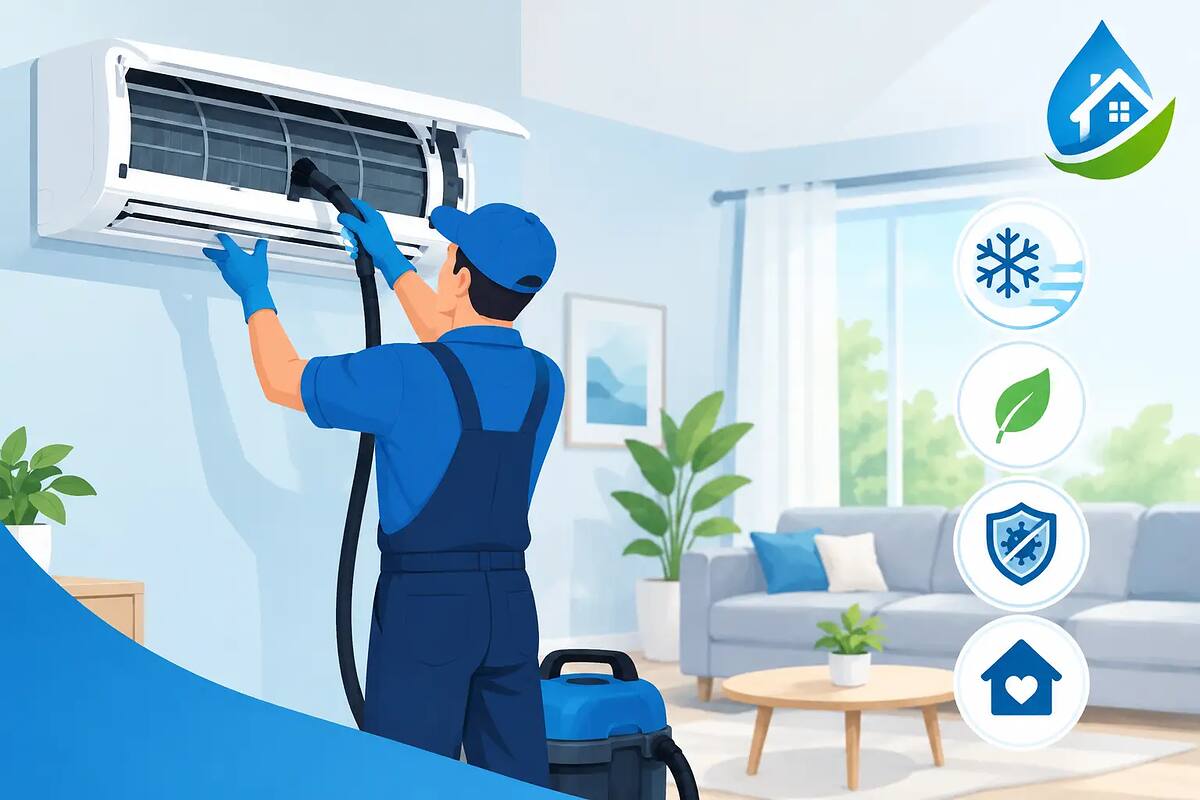
A split-system air conditioner can look perfectly clean from across the room while dust, moisture and grime build up behind the cover. That build-up is often what people notice as a stale smell when the unit starts, weak airflow or rooms that take too long to cool. The practical air conditioner cleaning benefits are cleaner air movement, more reliable performance and a more pleasant space to live or work in.
For Northern Beaches homes and businesses, air conditioning often works hard through humid summers, salty coastal air and long stretches of warm weather. A quick wipe of the outer casing helps with appearance, but it will not deal with the filters, evaporator coil, fan barrel and drain areas where dirt can collect. Proper cleaning targets the parts that affect the way the system actually performs.
Why air conditioner cleaning makes a noticeable difference
Every time an air conditioner runs, it draws room air through its filters and across internal components. That air carries ordinary household dust, lint, pet hair, pollen and, in commercial settings, a higher load of foot traffic dust and airborne particles. Some of it is caught by the filters. Some can settle further inside the unit.
When filters and internal surfaces are dirty, air has a harder path through the system. You may turn the temperature down but still feel uneven cooling, low air volume or a unit that seems to run for longer than it should. Cleaning does not fix every air-conditioning fault, but it removes a common cause of reduced airflow and helps the unit operate as intended.
Odours are another frequent reason to book a clean. Condensation naturally forms when an air conditioner cools the air. Where moisture combines with dust and organic residue inside the indoor unit or drain area, it can create a musty smell. Cleaning the relevant components and allowing them to dry properly can make the room feel fresher from the first use.
Better indoor comfort, not just a cleaner-looking unit
The benefit is not limited to the air coming directly from the vents. A clean unit can distribute conditioned air more evenly, so bedrooms, living areas, offices and treatment rooms become comfortable sooner. This matters when the air conditioner is carrying the load on a hot afternoon or when a business needs a welcoming environment for customers.
For households with pets, young children or people sensitive to dusty conditions, maintaining the system is also a sensible part of general home hygiene. Cleaning helps reduce the dust and residue sitting within the air path. It is not a substitute for medical advice or a solution for every indoor-air concern, but it is a practical maintenance step that supports a cleaner indoor environment.
Air conditioner cleaning benefits for running costs and lifespan
Air conditioners need clear airflow to work efficiently. A clogged filter can make the indoor fan work harder to pull air through, while grime on heat-transfer surfaces can affect how effectively the system exchanges heat. The result may be longer run times to achieve the temperature you have set.
A professional clean cannot promise a particular reduction on your power bill. The result depends on the unit’s age, size, condition, insulation, thermostat settings and how often it runs. However, removing built-up dirt gives a serviceable unit a better chance of cooling efficiently rather than wasting energy pushing air through clogged components.
Regular cleaning can also help identify issues before they become more disruptive. Water marks below the indoor head, dripping, unusual noises, weak cooling or a recurring smell may point to a blocked drain, mechanical issue or refrigerant problem. Cleaning may resolve a basic dirt-related restriction, but electrical faults, refrigerant work and repairs should be assessed by an appropriately licensed air-conditioning technician.
That distinction matters. A thorough cleaner knows where grime commonly builds up and uses methods suited to the equipment and the surrounding room. A technician handles faults and repairs. Getting the right person for the job helps avoid damage and prevents a small maintenance issue from being ignored until the system stops on the hottest day of the year.
What a proper clean should address
Simply spraying fragrance near a vent or rinsing a visible filter is not the same as cleaning an air-conditioning system. Filters are an important starting point and homeowners can usually rinse reusable filters gently, dry them completely and refit them according to the manufacturer’s instructions. But stubborn residue often sits further inside, where access and containment matter.
A professional air conditioner clean may involve careful cleaning of removable filters, accessible indoor surfaces, the evaporator area, fan components and condensate drainage points, depending on the unit design and condition. The work should protect walls, flooring and furnishings below the unit from runoff. That is particularly important in furnished homes, offices, retail spaces and marine interiors where moisture and cleaning residues have nowhere to go.
The right approach is material-specific and site-specific. A wall-mounted split system in a family room requires different preparation from ceiling cassettes in a commercial premises or an air-conditioning unit aboard a vessel. Nearby fabric lounges, carpets, timber finishes and electronics need to be protected before any wet cleaning begins.
At Pro Wet & Dry, the focus is on getting cleaning jobs done properly, with suitable equipment to contain mess and leave surrounding spaces clean and usable. For customers already dealing with odours, water marks or stained soft furnishings beneath an air-conditioning unit, addressing both the source and the affected surface can save a second call-out.
Signs your unit is due for cleaning
There is no single schedule that suits every property. A lightly used bedroom unit may only need attention before the warmer months, while a living-room system running daily through summer will generally need more frequent filter checks. Pet hair, nearby road dust, smoking, renovations, cooking grease and coastal conditions can all speed up build-up.
Watch for the signs rather than waiting for a complete breakdown. Reduced airflow, a musty odour at start-up, visible dust around vents, water dripping from the indoor head, rattling and longer cooling times all deserve attention. If the unit is leaking, tripping power, freezing up or failing to cool, switch it off where appropriate and arrange a qualified technician rather than continuing to run it.
For many homes, checking filters monthly during heavy use and arranging a more detailed clean at least annually is a sensible baseline. Businesses, holiday properties, rental homes and premises with high customer traffic may benefit from a planned maintenance schedule. Property managers can also reduce avoidable tenant complaints by inspecting systems between tenancies instead of finding a dirty unit after move-in.
DIY care versus professional cleaning
Basic maintenance is worth doing. Keeping the outdoor condenser clear of leaves, checking that nothing blocks the vents and cleaning reusable filters as directed by the manufacturer can improve day-to-day operation. Always turn the unit off before handling filters, and do not soak electrical components or force covers and fins.
The trade-off with DIY cleaning is access. Strong household chemicals, heavy spraying and improvised tools can damage delicate fins, push debris deeper into the unit or leave moisture in places that should stay dry. If odours persist after filter cleaning, dirt is visible inside the unit, or the system has a drain issue, a professional clean is the safer option.
A well-maintained air conditioner should not be something you only think about when it fails. Clean it before the first serious heatwave, keep an eye on the warning signs and deal with persistent smells or weak airflow early. You will walk into a room that feels cooler, fresher and ready to use when you need it most.
Carpet Cleaning
Need a hand with this?
Steam (hot water extraction) and dry carpet cleaning for homes, rentals and businesses, with fast drying times. Pro Wet & Dry has been cleaning on the Northern Beaches since 2001.
Or call 1300 132 273