Tips & guides
Fabric Sanitisation: When Cleaning Isn’t Enough
Fabric sanitisation helps reduce odours and hygiene concerns in carpets, lounges and furnishings, with careful cleaning that protects material beneath.
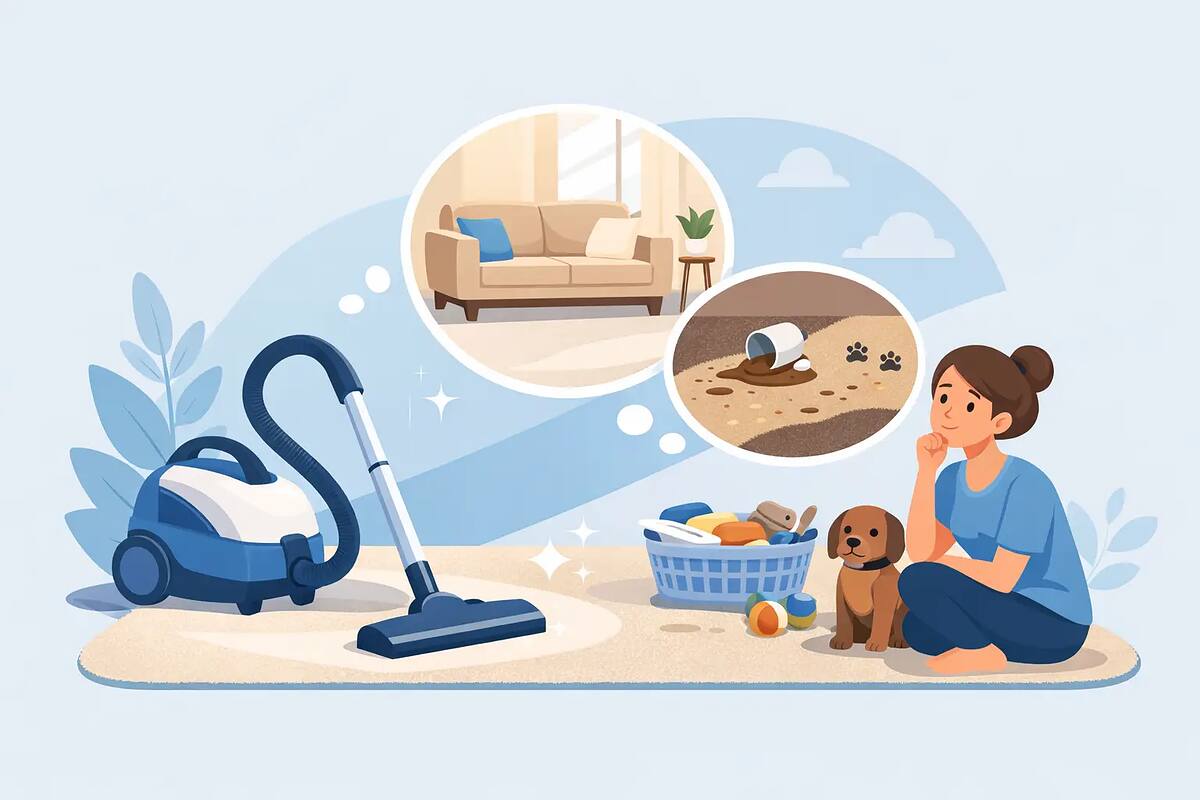
A lounge can look clean while still holding the evidence of daily life deep in its fibres: pet hair, food spills, body oils, dampness and the odours that come with them. The same goes for carpets in busy hallways, office chairs, fabric bedheads and marine upholstery. Fabric sanitisation is designed to deal with the hygiene side of soft furnishing care, not simply improve the appearance.
For homes, workplaces and vessels across the Northern Beaches, it is a practical service when ordinary vacuuming or spot cleaning is no longer enough. The right treatment freshens the fabric, helps reduce unpleasant odours and targets contamination without taking shortcuts that can damage the material.
What fabric sanitisation actually does
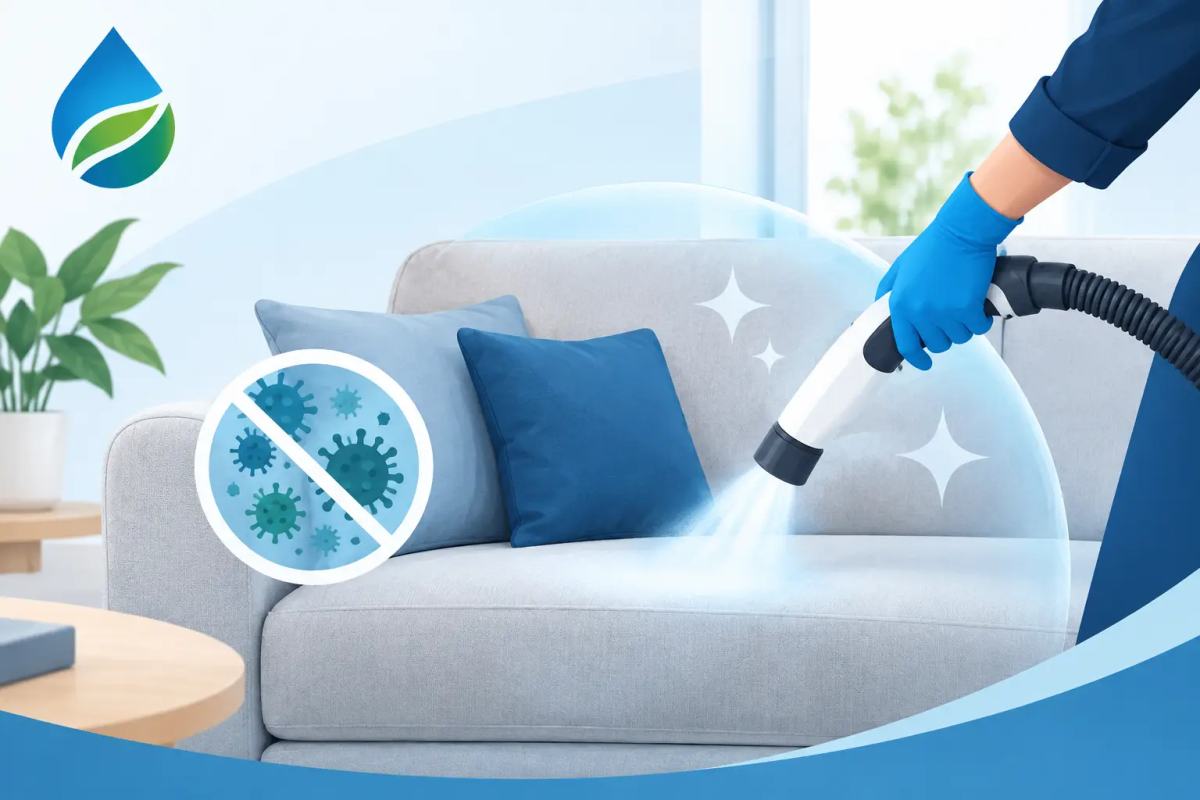
Cleaning and sanitising are related, but they are not the same job. Cleaning removes visible soil, grit, marks and residues. Sanitising applies an appropriate treatment to help reduce microbes on a cleaned surface. In most cases, the best result comes from doing both in the right order.
If a fabric surface is loaded with dirt, pet residue or oily build-up, a sanitising product cannot properly reach the fibres underneath. Professional cleaning first lifts the embedded material, then a suitable sanitising treatment can be applied where it will be most effective. This is why spraying a scented product over a lounge may make a room smell better briefly, but rarely fixes the source of a persistent problem.
Fabric sanitisation can be useful for carpets, rugs, lounges, dining chairs, mattresses, fabric wall panels, office seating and boat upholstery. The exact method depends on the item, its construction and what has caused the concern. A delicate natural-fibre chair needs a different approach from a hard-wearing commercial carpet tile or a vinyl-backed marine cushion.
It also has sensible limits. Sanitisation is not a substitute for regular cleaning, proper ventilation or dealing with the cause of dampness. It should not be presented as a guarantee that a space is completely germ-free. What it does provide is a thorough, targeted part of a wider cleaning process that makes heavily used fabric surfaces cleaner, fresher and more pleasant to use.
When fabric sanitisation is worth considering
The clearest sign is usually an odour that returns after surface cleaning. Pet accidents, spilled milk, wet clothing, food, sweat and general household use can work their way below the visible surface. Once moisture is added again through humid weather, steam or daily use, the smell may become more noticeable.
Homes with young children, pets or allergy-sensitive occupants often benefit from periodic professional fabric care. High-use lounges and carpets collect far more than most people realise, particularly around favourite seats, entry areas and beneath dining tables. A sanitising treatment can be a useful addition after deep cleaning where hygiene or odour is a concern.
For landlords and property managers, it is particularly valuable between tenancies when carpets or upholstered furnishings have been exposed to unknown use. It can also help prepare a furnished property for incoming tenants, provided stains, damage and moisture issues are assessed honestly rather than covered up.
Commercial settings have their own pressure points. Reception seating, staff room chairs, hospitality booths and retail fitting-room furniture are touched all day. A planned clean and sanitise program helps maintain a presentation-ready space without waiting until furniture looks tired or smells off.
Marine environments deserve extra attention. Salt air, enclosed cabins, wet swimmers, food and limited airflow can create stubborn odours in cushions and fabric linings. Here, treating the source early matters. If mould is visible or a cushion has stayed wet for an extended period, it may need more than routine sanitisation and should be assessed before cleaning begins.
Why the cleaning method matters
There is no one-size-fits-all chemical or machine setting for fabric furnishings. Using too much moisture on the wrong upholstery can lead to long drying times, water marks, shrinkage or damage to backing materials. Using an overly aggressive product can affect colour, texture or protective coatings.
A professional assessment looks at fibre type, colourfastness, dye stability, construction, existing stains and the likely source of odour. Synthetic upholstery may respond well to hot-water extraction, while some delicate fabrics need low-moisture or specialised hand-cleaning methods. Leather is not fabric at all and needs its own cleaning and conditioning process.
The goal is to remove contamination without soaking the item. Good extraction equipment removes cleaning solution and loosened soil efficiently, which supports faster drying. Faster drying is more than convenient when you need your lounge back that afternoon or want an office area ready for staff. It also reduces the opportunity for lingering dampness to create another odour issue.
For difficult pet odours, the treatment may need to reach beyond the top fibre. Urine can travel into carpet backing, underlay or the base beneath, so treating only the visible spot often produces a disappointing result. The same applies to flood-affected carpet and upholstery. In those cases, prompt extraction, drying and material-specific treatment are critical, and some materials may not be recoverable if contamination or water damage is extensive.
Fabric sanitisation at home without causing damage
Regular care makes professional work more effective and helps your furnishings last. Vacuum carpets and upholstery slowly rather than making one quick pass. The slow movement gives the vacuum time to lift dry soil from the fibres, especially around skirting boards, under cushions and in high-traffic paths.
When a spill happens, blot it straight away with a clean white cloth. Avoid scrubbing, as this can push the spill deeper and roughen the fabric surface. Do not soak the area or mix household products in the hope of making a stronger cleaner. Different chemicals can react badly, leave sticky residue or set a stain.
Be cautious with off-the-shelf sanitising sprays. Some are unsuitable for absorbent fabrics, while others leave moisture or fragrance behind without properly addressing the problem. Always follow the manufacturer’s care label and test any product on an inconspicuous area first. If the fabric is valuable, pale-coloured, natural fibre, antique or already marked, it is safer to leave treatment to a specialist.
Opening windows, running exhaust fans and addressing leaks will also do more for odour control than fragrance alone. If a room regularly feels damp, cleaning the fabric may improve the immediate result, but the moisture source still needs attention.
What to expect from a professional service
A proper job starts with inspection, not assumptions. The cleaner should identify the material, inspect staining and ask practical questions about pets, spills, prior cleaning attempts and odour history. This helps determine whether a standard clean, deodorising treatment, sanitisation or a more intensive restoration process is appropriate.
The fabric is then vacuumed or prepared as required, followed by targeted pre-treatment for stains or problem areas. Suitable cleaning and sanitising products are applied using a method matched to the material. Extraction or low-moisture cleaning removes soil and residue while managing moisture levels, and the item is checked again before the job is finished.
At Pro Wet & Dry, that material-specific approach matters because carpets, lounges, commercial upholstery and marine furnishings do not behave the same way. The focus is on getting the job done properly, including recovery of loosened soil and moisture rather than leaving fabric wet and hoping it dries well.
Drying time varies with the fabric, weather, ventilation, level of soiling and cleaning method. A technician can give a realistic expectation after inspecting the item. Avoid using furniture until it is dry where possible, and keep pets and children away from freshly cleaned areas until the treatment has settled.
Keeping soft furnishings fresh between services
The best maintenance schedule depends on use. A quiet adult household may only need periodic deep cleaning, while a family home with pets, a holiday rental or a busy office can need attention more often. Waiting for fabric to look visibly dirty is not always the best trigger, because odours and oily build-up develop below the surface first.
A useful rule is to act early when you notice repeat odours, sticky patches, a change in fabric colour or a musty smell after rain. Early treatment is generally simpler, faster and more likely to protect the item. For water damage, sewage exposure or significant mould, treat it as an urgent cleaning issue rather than a weekend DIY project.
Clean fabric should feel like part of the room again, not something you avoid sitting on. When the method matches the material and the cause is properly addressed, sanitisation helps keep the spaces people use every day fresher, more comfortable and ready for whatever comes next.
Bedding Sanitation
Need a hand with this?
Mattress and bedding sanitisation that removes dust, dead skin and allergens. Pro Wet & Dry has been cleaning on the Northern Beaches since 2001.
Or call 1300 132 273