Tips & guides
Retail Carpet Cleaning That Keeps Stores Ready
Retail carpet cleaning removes built-up soil, stains and odours while helping Northern Beaches shops stay clean, welcoming and ready for trade daily.
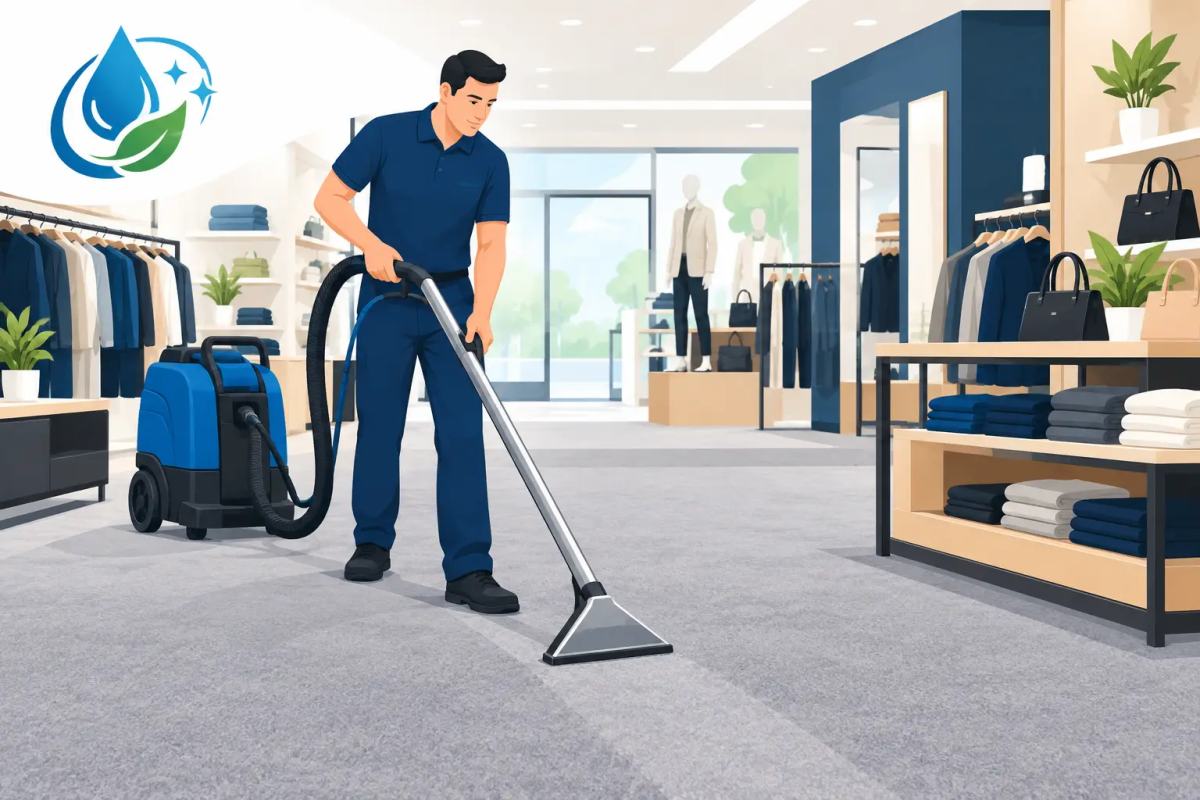
A retail floor can look fine at opening time and still hold weeks of foot traffic, spills and grit below the surface. Retail carpet cleaning is not simply about removing a visible mark. It is about keeping the customer-facing areas of a shop fresh, hygienic and presentable without creating unnecessary disruption to trade.
For stores, showrooms, centres and hospitality venues, carpet is part of the overall customer experience. A stained entry mat, dark traffic lane or lingering food odour can make an otherwise well-run business feel neglected. Regular professional cleaning helps protect that first impression while extending the usable life of the carpet.
Why retail carpets become dirty so quickly
Retail carpet takes a different kind of punishment from carpet in a home. Customers and staff bring in fine sand, road grime, moisture and debris from car parks and footpaths. In busy areas, that material is repeatedly pressed into carpet fibres by shoes, trolleys, prams and stock movement.
Spills are another common issue. Coffee, soft drink, make-up, food, ink and product residues can all leave marks that become harder to remove if they are allowed to dry or are treated with the wrong product. Over-the-counter spot cleaners may lighten a stain at first, but they can also leave detergent residue behind. That residue attracts more soil and can make the same area look grubby again sooner.
Then there are odours. Wet weather, food service, bins near entrances and heavy daily traffic can leave carpets smelling stale even when they do not look particularly dirty. Surface vacuuming helps with loose material, but it cannot remove embedded soil, oily residues or contaminants sitting deep in the pile.
What professional retail carpet cleaning should achieve
The right cleaning method should do more than give the carpet a temporary lift. It should remove soil effectively, treat problem areas safely and leave the floor ready to use as quickly as possible.
A proper job begins with assessing the carpet fibre, construction and condition. Not all commercial carpet can be cleaned the same way. The wrong amount of moisture, heat or chemical can lead to browning, shrinkage, colour loss or slow drying. Material-specific methods matter, particularly in high-value showrooms, leased premises and spaces with large carpeted areas.
Professional hot water extraction, often called steam cleaning, is a strong option for many retail carpets. It uses specialised equipment to flush out built-up soil and recover the dirty water rather than simply moving grime around the surface. Industrial-grade extraction is especially useful in traffic lanes, entry areas and sections affected by spills or odours.
Fast drying times are equally important in retail settings. A carpet that remains damp for too long can disrupt customers, create slip concerns and allow odours to return. Good recovery equipment, controlled moisture and suitable airflow help reduce downtime. The exact drying time depends on the carpet type, soil level, ventilation and weather, but the goal is always to get the area back into service promptly.
Retail carpet cleaning for the areas customers notice first
The highest-impact areas are usually not the whole shop floor. Entrances, counters, fitting rooms, waiting areas, aisles and display zones often show wear first. Focusing on these spaces can make a substantial visual difference, especially before a promotion, inspection, seasonal rush or landlord handover.
Traffic lanes are a common concern. They appear as grey or dark paths where foot traffic has compacted fine soil into the pile. Vacuuming alone will not usually correct them once the grime is embedded. Targeted pre-treatment and thorough extraction can improve the appearance considerably, although heavily worn carpet may not return to its original colour if the fibres themselves have been damaged over time.
Stains need the same realistic approach. Many fresh spills respond well when treated early, but the outcome depends on what caused the mark, how long it has been there and whether previous cleaning attempts have set it in. A professional cleaner should be clear about what can reasonably be removed and what may be permanent fibre damage rather than a removable stain.
Choosing the right cleaning schedule
There is no single timetable that suits every store. A quiet boutique with limited carpet may only need a full professional clean every six to twelve months, with prompt spot treatment as needed. A busy retail centre, food-adjacent tenancy or high-traffic showroom may benefit from scheduled maintenance every few months.
The best schedule is based on traffic, weather exposure, carpet colour, operating hours and how critical presentation is to the business. Light-coloured carpet near an entrance will show soil much faster than dark carpet in a low-traffic back office. Likewise, a retail premises that welcomes families, pets or wet-weather foot traffic may need more frequent attention than a store in a controlled indoor environment.
Regular maintenance is often more cost-effective than waiting for the carpet to become heavily soiled. When dirt is allowed to build up, more aggressive cleaning may be needed and the carpet can wear faster from abrasive grit. Planned cleaning helps maintain appearance without turning every service into a major restoration job.
Cleaning around trading hours
Retail cleaning should fit around the way a business operates. For some premises, cleaning after closing is the practical option. For others, work can be completed in sections during quieter periods so customers can still move safely through the store.
Clear preparation makes the process smoother. Smaller movable items should be removed from the floor where possible, and staff should identify any stains, leaks or odour concerns before the cleaner arrives. If shelving, counters or heavy displays cannot be moved, a professional can clean accessible areas and discuss the best approach for the rest.
It also helps to communicate drying expectations. Entry points and heavily cleaned zones may need to be managed until dry, particularly in wet weather. This is a short-term inconvenience, but it is far preferable to leaving dirty carpet in place because the job was rushed or cleaning equipment could not recover sufficient moisture.
When carpet cleaning becomes an urgent job
Some retail carpet problems should not wait for the next scheduled service. A burst pipe, roof leak, overflowing appliance or floodwater can saturate carpet and underlay quickly. In these cases, rapid water extraction and drying are essential to reduce the risk of odour, mould growth and damage to the floor beneath.
Pet accidents in pet-friendly premises, food spills, vomit and other biological contamination also require more than a fragrance product. The affected area needs appropriate treatment to deal with the source of the odour, not just mask it. This is where specialised products and extraction methods make a genuine difference.
For businesses across the Northern Beaches, Pro Wet & Dry can assess the condition of retail carpet, treat difficult stains and odours, and use professional recovery equipment to get the job done properly with minimal interruption.
Simple habits that protect carpet between services
Professional cleaning works best alongside sensible daily care. Vacuuming frequently, particularly at entrances and in traffic lanes, removes dry grit before it is worked deeper into the fibres. Entrance mats should be cleaned and replaced when worn, as they are the first line of defence against outside soil.
Staff should blot spills immediately with a clean white cloth rather than scrub them. Scrubbing can spread the stain, distort carpet fibres and push liquid deeper into the backing. Avoid soaking the area or applying multiple household chemicals, as mixing products can create a harder problem to fix.
Keep an eye on recurring marks and odours. If a stain reappears after cleaning, it may be wicking from the backing or underlay. If a smell returns, there may be an untreated source beneath the surface. Addressing these issues early can prevent a small problem from becoming a costly replacement decision.
A clean retail carpet quietly supports everything else your business does well. It lets products, displays and people take centre stage, while customers walk into a space that feels cared for from the ground up.
Odour Removal
Need a hand with this?
Pet urine, vomit and lingering smells treated at the source, not masked. Pro Wet & Dry has been cleaning on the Northern Beaches since 2001.
Or call 1300 132 273