Tips & guides
Carpet Cleaning for Rental Inspection Made Simple
Carpet cleaning for rental inspection helps remove stains, odours and embedded dirt, so your Northern Beaches property is ready for its final exit check.
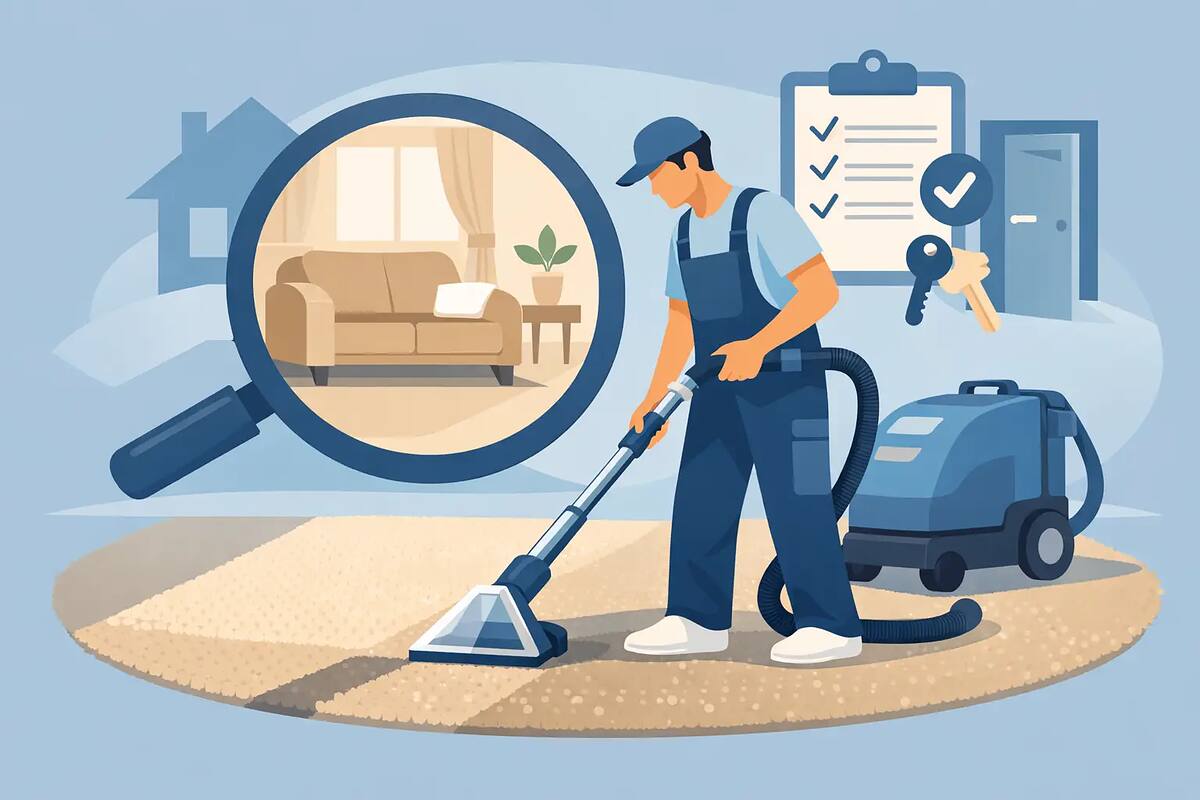
A rental inspection can turn a small carpet mark into a stressful last-minute problem. Carpet cleaning for rental inspection is about more than making the room smell fresh. It is about dealing with the visible wear, set-in spots and lingering odours that can affect how the property presents at the final inspection.
For tenants across the Northern Beaches, a professional clean can be the practical step between handing back the keys with confidence and facing questions about carpet condition. The right method depends on the carpet fibre, the type of soiling and how long the issue has been sitting there.
What property managers look for at a rental inspection
Carpets are not expected to look brand new at the end of every tenancy. Fair wear and tear happens, particularly in busy homes. Light traffic patterns, minor fading and gradual flattening of the pile may be unavoidable over time.
What tends to raise concern is damage or neglect. Think obvious drink spills, dark walkways through halls and living areas, pet urine odours, greasy marks near a lounge, food stains in bedrooms or carpet that has clearly not been cleaned for a long time. These issues can make an otherwise tidy property look poorly maintained.
A proper carpet clean lifts out dry soil and embedded grime that ordinary vacuuming cannot reach. It also improves the overall appearance of the pile, helping the carpet look more even and presentable under inspection lighting. That matters in properties with pale carpet, high-traffic entryways and rooms that have been furnished for years.
Why vacuuming and supermarket products are rarely enough
Vacuuming is essential before any inspection, but it only removes loose surface debris. Fine grit, oils and soils settle deeper into the fibres, where they gradually dull the carpet and create those grey or dark traffic lanes.
Rental machines and supermarket spot cleaners can help with a fresh, small spill, but they have limits. Many leave too much moisture behind, which increases drying time and can create a damp smell. Using too much detergent can also leave a sticky residue that attracts more dirt soon after cleaning.
The biggest risk is treating a stain with the wrong product. Wool, synthetic blends, natural fibres and dyed carpets do not all respond the same way. A harsh chemical, aggressive scrubbing or excessive heat can spread the stain, alter the colour or damage the pile. For a final inspection, a quick DIY fix can become a more expensive issue if it goes wrong.
Carpet cleaning for rental inspection: choosing the right treatment
Professional carpet cleaning begins with identifying what is actually in the carpet. A red wine spill, muddy foot traffic, pet contamination and oily food marks each need a different approach. The goal is not to use the strongest possible product. It is to use a safe, effective treatment that suits the material and the problem.
Steam cleaning for embedded soil
Hot water extraction, often called steam cleaning, is a reliable option for many rental carpets. Specialised equipment applies cleaning solution and hot water in a controlled way, then uses powerful extraction to recover the loosened dirt and moisture.
This method is particularly useful for general tenancy cleaning where carpets are dull, heavily tracked or carrying everyday household grime. Strong recovery equipment matters because it removes more moisture from the carpet, supporting faster drying times. That is useful when an inspection is close and you need the property ready without wet carpets holding up the handover.
Not every carpet needs the same level of cleaning, though. Delicate fibres, ageing carpet, previous water damage and certain stains may call for a more tailored method. An experienced technician should assess the carpet rather than treating every job as identical.
Stain treatment before the full clean
A full carpet clean will improve many marks, but stubborn stains usually need individual treatment first. Coffee, makeup, ink, rust, coloured drinks, grease and old food spills can all react differently.
Be realistic about expectations with old or untreated stains. A professional treatment can often improve them significantly, but some stains permanently alter carpet dye or fibre. If bleach, strong chemicals or repeated scrubbing have already damaged the carpet, cleaning cannot reverse that damage. Honest advice before work starts is far more useful than a promise that every mark will disappear.
Pet odours need more than fragrance
Pet odours are one of the most common rental inspection concerns, especially when urine has reached the carpet backing or underlay. Surface deodoriser may temporarily mask the smell, but it does not remove the source.
Effective pet odour treatment needs to target the affected area properly. Depending on the severity, this may involve specialised cleaning agents, deep extraction and inspection of whether contamination has moved below the carpet. The sooner this is addressed, the better the chance of restoring the area without more extensive work.
When should you book the clean?
The best time is after furniture has been removed and after any repairs, painting or trades work are complete. Cleaning a carpet before removalists, patching or painting can mean fresh dust, scuffs and new marks land on it straight afterwards.
Avoid leaving the booking until the morning of the inspection if you can. Even with fast extraction, drying time varies according to carpet thickness, ventilation, weather and the amount of cleaning required. Allowing a day before the final check gives the carpet time to dry properly and gives you room to deal with any other handover tasks.
If the inspection is urgent, say so when arranging the job. A responsive local team can advise what is practical and prioritise the areas that need attention. Opening windows, using fans and keeping air moving after cleaning will also help the carpet dry faster.
A practical pre-inspection checklist
Before the carpet cleaner arrives, remove as much furniture and personal property as possible. Clear the floor of boxes, toys, pet beds and loose items so all accessible carpet can be treated. Vacuum thoroughly if requested, particularly along edges and under furniture where dust builds up.
Take note of any stains, odours or previous damage and point them out at the start. This helps ensure problem areas receive the right treatment rather than being missed in a general clean. If you have photos from the start of the tenancy or an entry condition report, keep them available for your own records.
After cleaning, avoid walking across damp carpet in outdoor shoes. Keep pets and children off the area until it is dry where possible. Once dry, do a final walk-through in daylight. Look along the traffic lanes, around doorways and in corners, as these are the spots most likely to show up during an inspection.
Protecting your bond without overpaying
The aim is to return the carpet in a clean, well-maintained condition, not to pay for unnecessary work. Your lease agreement and entry condition report are useful starting points, particularly if there were stains, wear or pre-existing issues when you moved in.
It is also worth checking whether the property manager has specified professional carpet cleaning at the end of the lease. Some agreements do, especially where pets have lived in the property. If a receipt is required, arrange the cleaning with enough time to receive the documentation before handover.
For tenants in Mona Vale, Dee Why, Newport, Avalon, Narrabeen, Brookvale and nearby suburbs, Pro Wet & Dry provides material-specific carpet cleaning with powerful recovery equipment for a cleaner result and reduced drying time. That is particularly helpful when a final inspection is approaching and the property needs to be ready to present.
A well-cleaned carpet does more than improve the chances of a smooth inspection. It lets you leave the property knowing you have dealt with the dirt, stains and odours that are easiest to overlook until the final walk-through.
Stain Removal
Need a hand with this?
Red wine, coffee, food, ink and more. Specialised products and equipment for tough stains. Pro Wet & Dry has been cleaning on the Northern Beaches since 2001.
Or call 1300 132 273