Tips & guides
Why Carpet Smells After Cleaning and What to Do
Wondering why carpet smells after cleaning? Learn what causes damp, musty odours and when fast professional drying and treatment are needed at home.
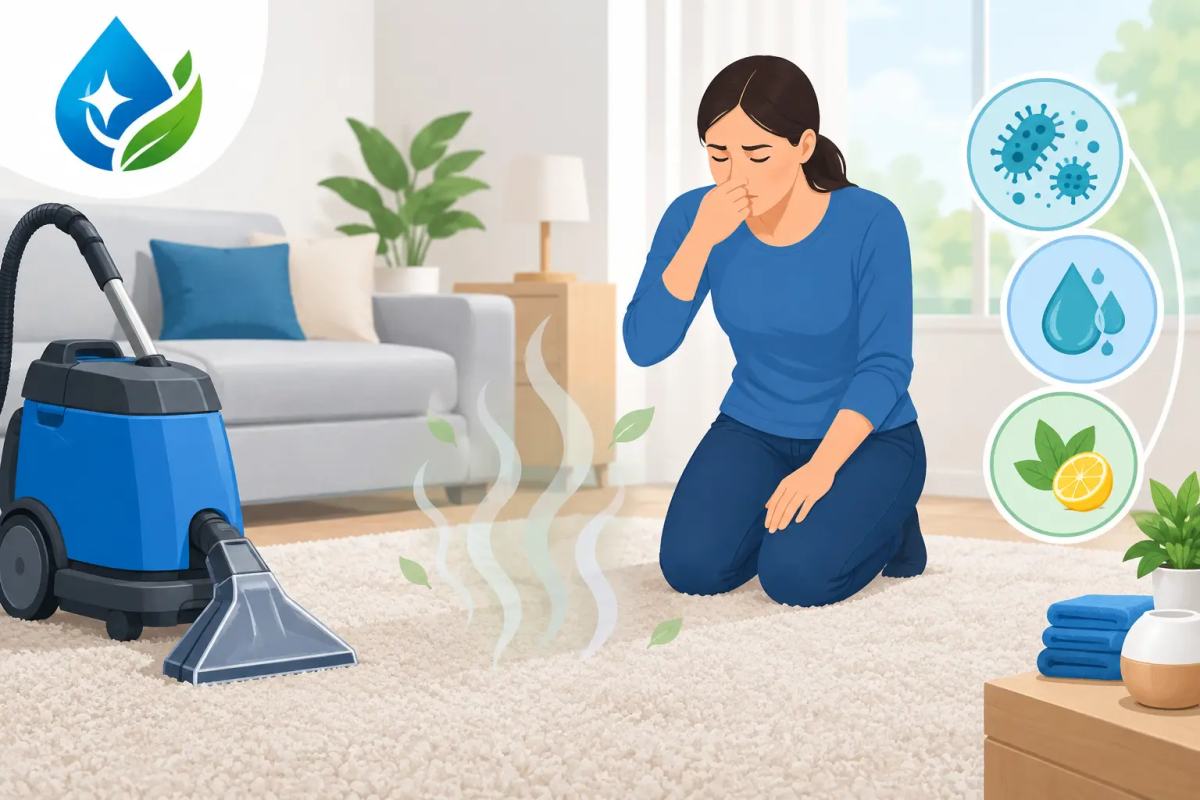
A carpet can look noticeably cleaner, feel soft underfoot and still leave the room smelling worse than before. If you are asking why carpet smells after cleaning, the answer is usually not that cleaning caused a new problem. More often, moisture has brought an existing issue to the surface, or the carpet has stayed damp for too long.
That damp, musty smell is worth dealing with properly. It can make a freshly cleaned home, rental property, office or boat cabin feel unhygienic, and it may point to urine contamination, old spills, insufficient water extraction or moisture beneath the carpet. The right fix depends on the source.
Why carpet smells after cleaning
Carpet fibres, backing and underlay can hold far more than the dirt visible on the surface. Dust, skin cells, food residue, pet accidents, drink spills and oils settle down through the pile over time. When cleaning solution and water reach these deposits, they can reactivate and release an odour.
A light, clean scent or a slight damp smell immediately after a professional steam clean can be normal, particularly on a humid Northern Beaches day. It should fade as the carpet dries, generally within a few hours and usually no longer than 24 hours where effective extraction and airflow are used.
A strong sour, musty, urine-like or wet-dog smell is different. If it lingers beyond a day, becomes stronger, or returns after the carpet seems dry, there is likely a deeper cause that needs attention.
The carpet has not dried quickly enough
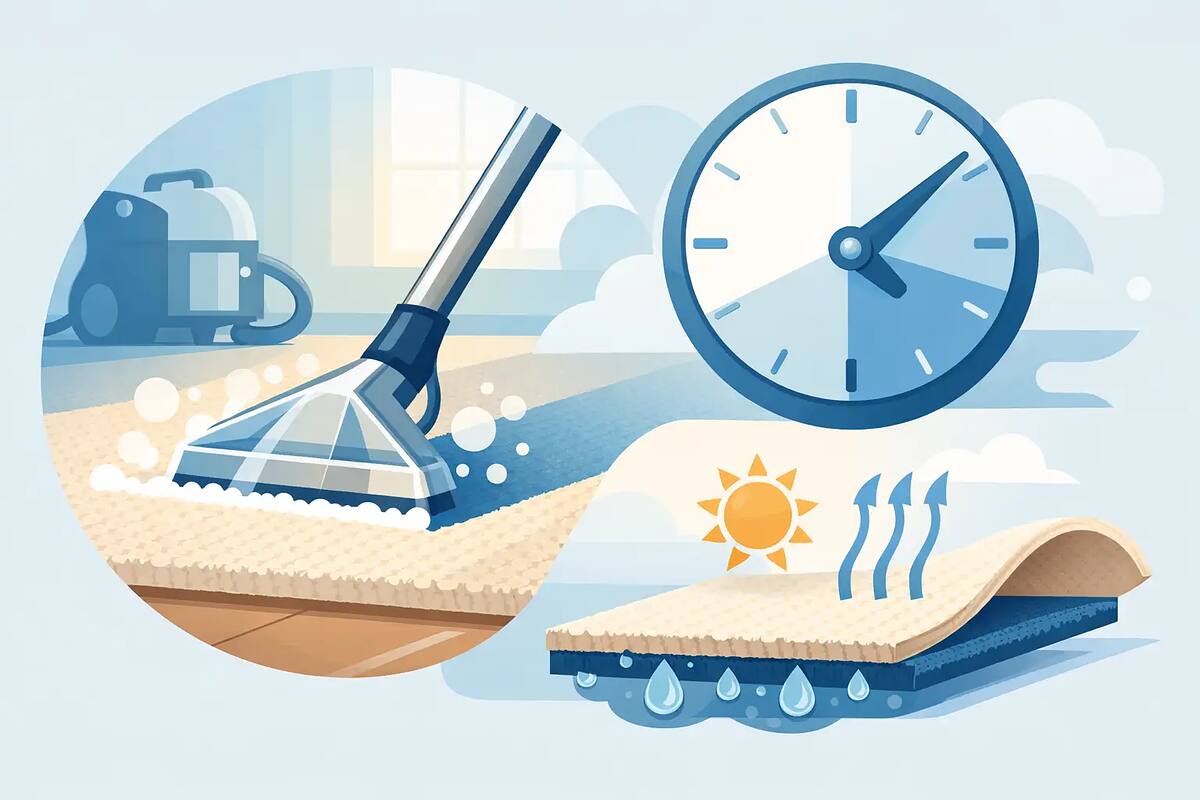
Slow drying is one of the most common reasons a carpet smells after cleaning. Moisture left in the backing, underlay or subfloor creates the conditions for bacteria and mould to grow. Thick carpet, heavy soiling, poor ventilation and humid weather can all extend drying time.
This does not automatically mean the carpet has been cleaned badly. A heavily soiled carpet may need more flushing to remove contaminants, and a room with little airflow will naturally dry more slowly. However, industrial-grade extraction should remove as much moisture as possible, not simply leave it behind to evaporate.
Old spills and pet accidents have been reactivated
Pet urine is especially difficult because it does not stay only in the carpet pile. It can travel through the backing into the underlay and, in some cases, reach the subfloor. Once dampened during cleaning, urine salts and bacteria can release a much stronger smell than they did when the carpet was dry.
The same applies to old milk, food, beer, soft drink and organic spills. Surface cleaning may improve the appearance, but it will not fully remove an odour source sitting beneath the carpet. A deodoriser alone may cover the smell temporarily without solving the contamination underneath.
Soil has wicked back to the surface
Wicking happens when moisture moves up from deep in the carpet or backing while it dries. Along with that moisture comes fine soil, detergent residue or old stains. You might notice brown marks returning after cleaning, often around traffic areas or previous spills, along with a stale smell.
This is most common where a carpet has been heavily soiled for a long time or where DIY cleaning has repeatedly wet the fibres without removing enough water. It requires targeted treatment, proper rinsing and strong recovery rather than another heavy application of shampoo.
There is a moisture issue below the carpet
Sometimes the smell is not primarily in the carpet at all. A leaking pipe, rising damp, an air-conditioning drain issue, wet concrete, a previous flood or water entering through an external wall can keep the underlay or subfloor damp.
If the smell is strongest in one area, returns after every clean, or comes with damp patches, discolouration or mould around skirting boards, treat it as a moisture investigation rather than a standard carpet-cleaning job. Cleaning the carpet without addressing the water source will only provide short-term relief.
What to do when your carpet smells damp or musty
Start by helping the carpet dry. Open windows where weather permits, use ceiling fans or portable fans, and run air conditioning on its dry setting if available. Keep children, pets and foot traffic off the area until it is dry, as walking on damp carpet can push moisture and soil deeper into the pile.
Avoid soaking the carpet again with supermarket spot cleaners, vinegar, perfume sprays or large amounts of bicarbonate of soda. Vinegar is not a reliable solution for every carpet fibre or every odour source, and powders can remain in the pile, create residue and make later professional extraction harder.
If a small area smells because of a recent pet accident, blot it promptly with clean white towels and use a product designed for pet odour treatment according to its directions. Do not scrub. Scrubbing spreads contamination and can damage the carpet pile.
For a smell across an entire room, a musty odour that remains after 24 hours, or any odour linked to pet urine, floodwater or mould, it is best to arrange an assessment. The carpet may need deep extraction, material-appropriate odour treatment, treatment of the backing and underlay, or moisture recovery rather than another standard clean.
When a professional clean should not leave a lingering smell
A proper professional service considers the carpet type, level of soiling, moisture load and the source of the problem before choosing a method. Wool, synthetic carpet, delicate rugs, upholstery and marine fabrics all respond differently to water, heat and cleaning products. Using the wrong method can leave residue, cause over-wetting or affect the finish of the material.
For everyday grime, hot water extraction with powerful recovery can remove embedded soil while keeping drying times short. For urine and persistent organic odours, the process may need specialist treatments that break down the source rather than mask it. Where flooding or leaks are involved, extraction equipment, drying measures and moisture checks become central to preventing secondary damage.
The trade-off is straightforward: the quickest, cheapest surface clean may improve appearance, but it may not resolve a problem below the fibres. If the carpet has a long history of pets, spills or water exposure, thorough treatment is usually the better value option.
Questions worth asking before booking
A cleaner should be able to explain how they will manage drying, what type of treatment suits your carpet, and whether they can address odours rather than simply apply fragrance. For rental and end-of-lease work, ask whether they can identify stains or odours that may return as the carpet dries. For commercial premises, ask about drying times so staff, customers or tenants can use the area with minimal disruption.
If there has been water damage, be clear about where the water came from and how long the carpet was wet. Clean water from a recent overflow is very different from contaminated floodwater or an old leak with mould growth. That detail affects the safest and most effective response.
How to reduce the chance of odours returning
Regular vacuuming removes dry soil before it becomes embedded and sticky. Attend to spills early, and have high-use areas professionally cleaned before they look visibly dirty. This matters in family rooms, rental properties, offices, hospitality spaces and vessel interiors, where humidity and repeated use can trap odours quickly.
For pets, treat accidents as soon as possible and do not rely on scent alone to judge whether the area is clean. If the smell returns in warm or wet weather, contamination may be below the surface. Repeated masking products can make the room smell more perfumed, but they rarely deal with the source.
A clean carpet should smell neutral and dry, not heavily fragranced or musty. If yours does not, acting early can prevent a manageable cleaning issue from becoming a replacement, mould or water-damage problem. Pro Wet & Dry can assess persistent carpet odours and use the right extraction and treatment method to get the room fresh, dry and usable again.
Odour Removal
Need a hand with this?
Pet urine, vomit and lingering smells treated at the source, not masked. Pro Wet & Dry has been cleaning on the Northern Beaches since 2001.
Or call 1300 132 273