Tips & guides
End of Lease Carpet Cleaning for a Clean Handover
End of lease carpet cleaning that tackles stains, odours and worn traffic areas, with fast drying for a cleaner handover and less moving-day stress too.
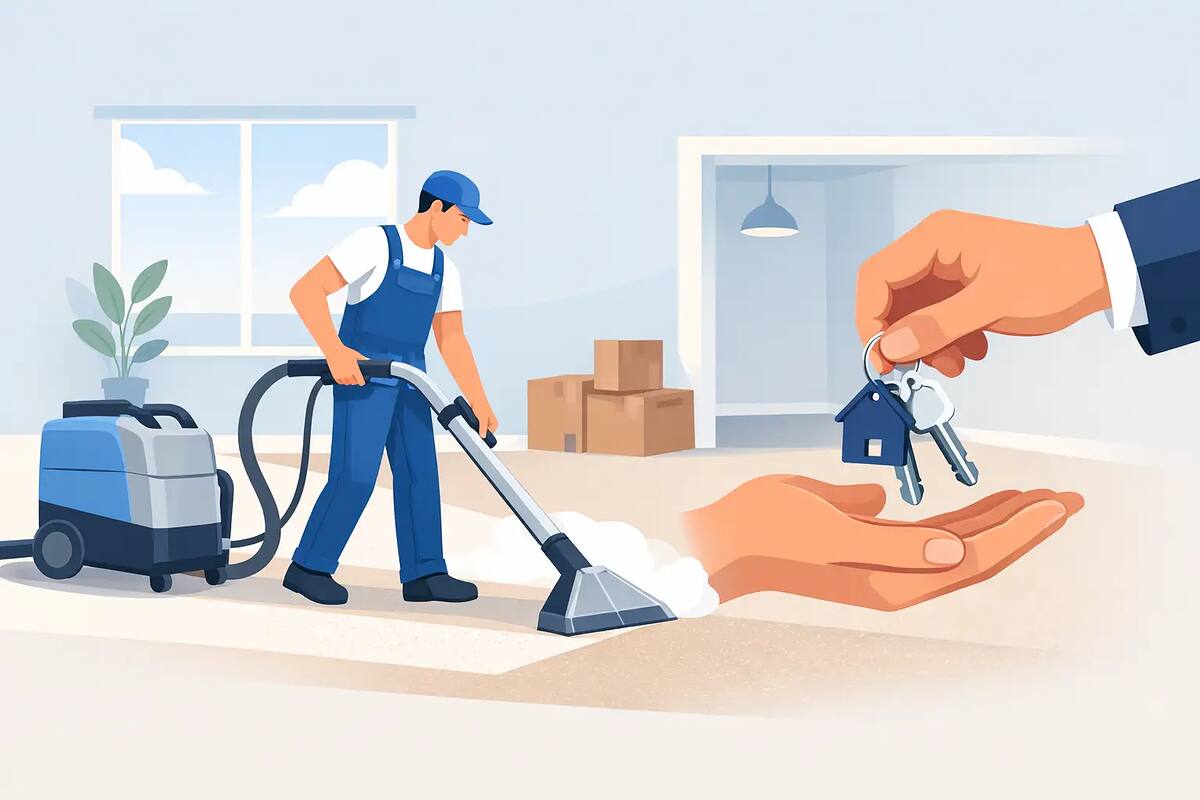
The final inspection is rarely about whether a carpet looks perfect from the doorway. Property managers and landlords look closely at traffic lanes, stains around furniture, pet odours and the overall condition against the original entry report. Professional end of lease carpet cleaning gives tenants a practical way to present the property properly before handing back the keys - without spending moving day trying to lift stains with hired equipment.
Carpets collect more than visible dirt over a tenancy. Fine sand, skin oils, food spills, pet hair and moisture can settle deep into the pile. A quick vacuum helps the surface, but it will not remove the residue that makes carpet look dull, feel flat or smell less than fresh. The right cleaning method depends on the carpet fibre, the condition of the room and the issue being treated.
What end of lease carpet cleaning should address
A proper end-of-lease clean is not simply a general refresh. It should focus on the areas most likely to be noticed during an inspection: entryways, hallways, living rooms, bedrooms, wardrobes and any place where a spill, pet accident or heavy furniture has left its mark.
Steam carpet cleaning, also known as hot water extraction, is often the most effective option for synthetic carpets and many wool-blend carpets when carried out with the correct products and temperature control. The process applies a cleaning solution, agitates embedded soil and uses powerful extraction to recover dirty water from deep in the carpet. It is designed to remove more than loose surface grime.
That said, steam cleaning is not a one-size-fits-all answer. Delicate fibres, natural materials, heavily water-sensitive carpets or particular stains may need a different approach. A capable cleaner checks the material and condition first, rather than applying the same treatment to every room.
The issues that can affect your final inspection
Some marks are straightforward. Others have had months to set, and their cause matters as much as their appearance. Treating a coffee spill is different from dealing with red wine, ink, grease, makeup or rust. Pet urine needs more than a fragrance treatment because odour-causing residue can sit beneath the visible stain, including in the underlay or along skirting edges.
High-traffic areas are another common issue. The dark grey path near a front door or through a lounge is often a combination of ground-in soil and compressed carpet pile. Cleaning can remove the soil and improve the appearance, but it cannot always reverse fibre wear caused by years of foot traffic. This distinction matters: cleaning restores cleanliness, while permanent fading, burns, pulled loops and worn fibres may be considered damage rather than dirt.
Furniture marks can also be misunderstood. Indentations from a bed, sofa or dining table are usually pile compression, not staining. They may lift with grooming and appropriate treatment, although deep dents do not always disappear completely. Taking clear photos before and after the clean gives you a useful record of the carpet’s condition at handover.
Why DIY carpet cleaning can fall short
Hiring a machine can seem like a sensible saving when removalists, utility bills and bond paperwork are already competing for your attention. For a lightly soiled room with no difficult stains, it can be enough. The trade-off is that domestic and hire machines generally have less heat, agitation and water-recovery power than professional equipment.
Too much water is a common DIY problem. If a carpet is left overly wet, it can take longer to dry, attract new dirt as people walk across it, and develop a damp smell. Overusing detergent is another trap. The residue may make the carpet feel stiff or become sticky underfoot, causing it to resoil quickly.
Spot treatments can create their own issues as well. Scrubbing can distort the pile, while unsuitable chemicals can bleach colour or set a stain permanently. If the stain has already been treated with supermarket products, tell the cleaner. Knowing what has been used helps determine the safest next step.
When to arrange your carpet clean
The best time is usually after furniture and personal belongings have been removed, but before the final inspection. Empty rooms allow full access to the carpet, including the edges and areas that were covered by furniture. They also make it easier to identify stains that were not obvious while the property was occupied.
Allow drying time before the agent arrives. With professional extraction and good airflow, many carpets are dry within several hours, although the timing depends on humidity, carpet type, soil level and ventilation. Northern Beaches weather can be humid, particularly after rain, so opening windows, using fans and running air conditioning where suitable can help speed the process.
If you have a morning inspection, cleaning the previous afternoon is often a sensible arrangement. For a same-day clean and inspection, ask about expected drying times beforehand and avoid walking through rooms unnecessarily once the job is finished.
A practical handover checklist
Carpet cleaning works best as part of a coordinated exit clean. Before the cleaner arrives, vacuum loose debris if practical and remove all small items from the floor. Make sure there is clear access, available parking and working power and water. Point out any known stains, pet areas or previous water leaks before work begins.
After cleaning, inspect the carpet in natural light where possible. Check that treated areas have been discussed with you, particularly if a stain has improved but cannot be fully removed. Keep your paid invoice and any job notes with the rest of your exit-cleaning documents. An invoice demonstrates that professional cleaning was completed, but it does not erase pre-existing damage or normal wear recorded in the condition report.
It is also worth checking your lease agreement. Some agreements specify professional carpet cleaning at the end of the tenancy, particularly where pets have lived in the property. Others do not require a specific method. Your responsibility will depend on the lease, the entry condition report and the condition in which you return the home. If anything is unclear, confirm expectations with the managing agent before booking.
Pet odours need more than a surface clean
A clean-looking carpet can still carry a noticeable pet smell, especially on warm or humid days. Standard deodoriser may temporarily mask the odour, but it does not necessarily neutralise the source. Proper pet odour treatment identifies the affected areas and uses suitable products to break down odour-causing residue before extraction.
The result depends on how deeply the contamination has travelled. Fresh incidents in the carpet pile are generally simpler to treat than repeated accidents that have reached the underlay, subfloor or timber beneath. An honest assessment is better than a promise that every long-standing odour can be solved with one pass.
For renters, acting early is usually cheaper and less stressful than waiting until the week of the move. If an odour returns after cleaning, it may indicate that the source sits below the carpet rather than on its surface.
Choosing a cleaner for an end-of-lease job
Look for a local cleaner who asks useful questions before arriving: the number of rooms, carpet material, stains, pets, access and the date of inspection. Those details affect the treatment plan, equipment required and likely drying time. A vague quote without understanding the job can lead to surprises on the day.
The cleaner should also be clear about realistic outcomes. Professional cleaning can significantly improve heavily soiled carpets, lift many stains and freshen the whole property. It cannot repair burns, bleach marks, colour loss, tears or damage hidden beneath furniture. Clear communication protects everyone involved, including tenants, owners and property managers.
Pro Wet & Dry provides material-specific carpet cleaning across Sydney’s Northern Beaches, using professional extraction equipment to remove embedded grime while keeping drying times practical. Whether you are leaving a unit in Dee Why, a family home in Mona Vale or a rental near Newport, arranging the job before the last-minute rush gives you one less handover issue to manage.
A clean carpet will not change the condition report, but it can make the property look cared for, smell fresher and be ready for the next tenant. Book early, disclose the problem areas and give the carpet time to dry - that is the simplest path to a calmer final inspection.
Carpet Cleaning
Need a hand with this?
Steam (hot water extraction) and dry carpet cleaning for homes, rentals and businesses, with fast drying times. Pro Wet & Dry has been cleaning on the Northern Beaches since 2001.
Or call 1300 132 273