Tips & guides
Landlord Carpet Condition Reporting Guide
A landlord carpet condition reporting guide for documenting wear, stains and cleaning needs fairly, helping prevent avoidable rental end-of-tenancy disputes.
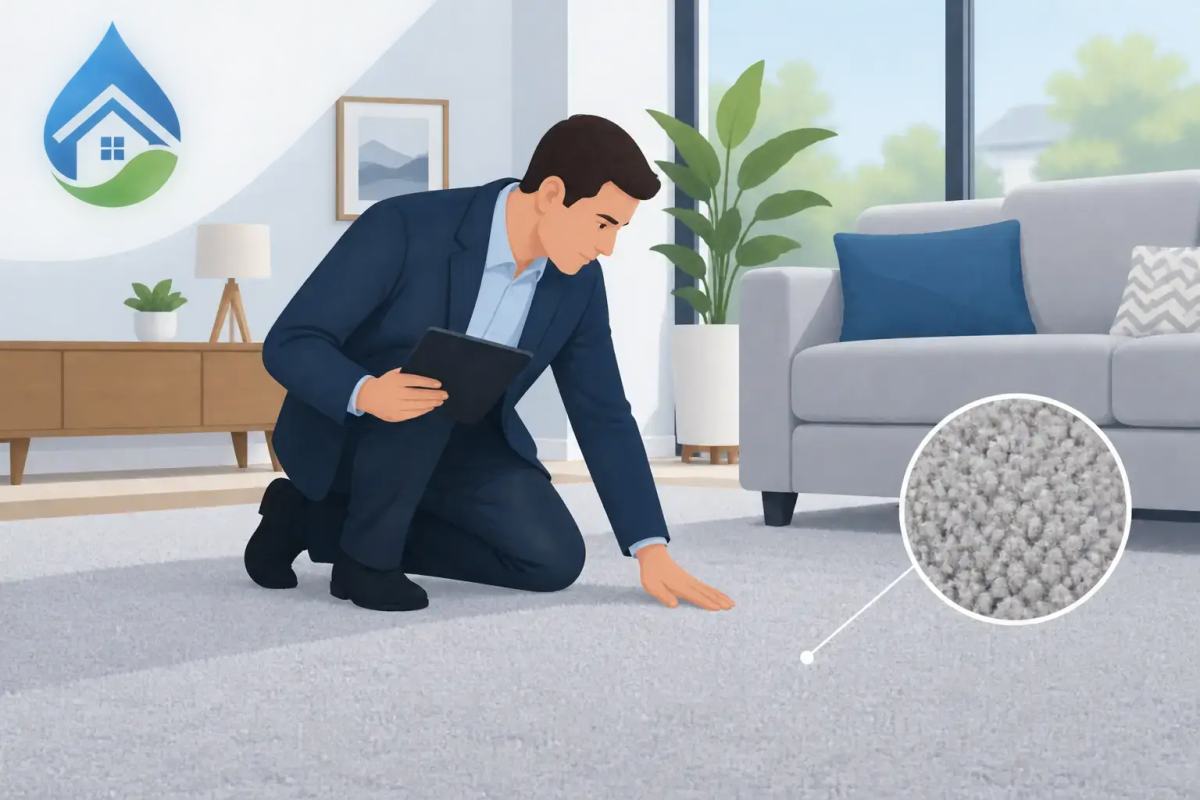
A good landlord carpet condition reporting guide is less about finding fault and more about recording facts that stand up at the end of a tenancy. Clear reports, date-stamped photos and sensible cleaning records help landlords, tenants and property managers deal with carpet wear fairly, without turning a routine handover into a bond dispute.
Carpet is one of the easiest parts of a property to assess poorly. A room can look fine in low light, yet show traffic marks, pet odours or old spill stains once furniture is moved. Equally, an older carpet may be clean and serviceable even if it no longer looks brand new. The report needs to make that distinction.
Start with the carpet's condition at entry
The entry condition report sets the baseline. If it says only “carpet - good condition”, it leaves too much open to interpretation. Record what is actually there, room by room, before the tenant moves furniture in.
Note the carpet colour, general appearance and any existing marks. Describe the location precisely, such as “two faint brown marks beside the wardrobe in bedroom 2” rather than “stains in bedroom”. Include wear around doorways, halls and high-traffic paths, plus fraying edges, loose seams, burns, pulled loops or flattened pile.
Photos should support the written description, not replace it. Take a wider image that shows where the issue is, then a close-up that makes the mark visible. Use good natural light where possible, and make sure image dates are retained. A quick photo in a dark room is rarely useful six or twelve months later.
Where the carpet has been professionally cleaned before a new tenancy, retain the invoice. It is useful evidence of the carpet's presentation and hygiene at handover. It can also reveal whether a stain was pre-existing but treated, rather than ignored.
What to record in every room
A practical report covers the same points throughout the property:
- overall appearance, including whether the carpet is freshly cleaned or has visible traffic wear
- stains, discolouration, burns, marks and their exact position
- physical damage such as frayed joins, tears, pulled fibres or edge lifting
- odours, especially smoke, pet or damp smells
- photos that show the whole room and any specific concern.
This consistency matters. It makes the report easier for a tenant to check at entry and easier for a property manager to compare at exit.
Separate fair wear from damage
The most common mistake in carpet reporting is treating age and damage as the same thing. They are not. Carpet naturally loses some pile height and brightness over time, particularly in a hallway, lounge room or at the top of stairs. Sun fading near windows and gentle flattening in frequently used areas may be ordinary wear.
Damage is different. A fresh red wine spill, iron burn, cigarette burn, bleach spot, unapproved pet urine damage or a torn section of carpet can require treatment, repair or replacement. Whether the tenant is responsible will depend on the facts, the entry report, the cause and the carpet's age and expected life.
Be careful with broad statements such as “carpet must be returned as new”. That is neither realistic nor a useful reporting standard. The better question is whether the carpet has been returned in a reasonably clean condition, allowing for fair wear and tear.
For example, a clean but slightly flattened living-room carpet in an older rental may be acceptable. A carpet with embedded mud, greasy foot traffic and strong pet odour is a different matter. A professional inspection and clean can often improve the latter substantially, but it cannot reverse fading, worn fibres or permanent chemical damage.
Use descriptions that can be checked later
Vague wording creates arguments. Specific wording gives everyone a fair reference point. Instead of writing “dirty carpet”, describe the result you can see or smell: “darkened traffic lane from entry to lounge, approximately one metre wide” or “noticeable pet urine odour near rear corner of lounge room”.
Avoid guessing at the cause unless it is clear. “Circular moisture mark near balcony door” is more reliable than claiming it was caused by a spill. If there is concern about water intrusion, mould or a leaking appliance, arrange an inspection promptly. Leaving moisture in carpet and underlay can create a larger hygiene and restoration problem than the original mark.
Where a stain cannot be identified, record its size, colour and position. A pale 10 cm mark beside a bed may not justify urgent treatment. A large dark stain in a main living area should be photographed and assessed early, before it is worked deeper into the fibres.
Match cleaning records to the property and carpet type
Not all carpets respond to the same cleaning method. Synthetic carpet may tolerate a different approach from wool, while delicate rugs, natural fibres and marine flooring need material-specific treatment. A generic cleaning note is not particularly helpful if it does not identify what was cleaned and what result was achieved.
For routine end-of-tenancy cleaning, the aim is usually to remove soil, allergens, marks and odours while leaving the carpet fresh and fast drying. For a heavy pet accident, grease contamination or water damage, additional odour treatment, spot work or extraction may be needed. In some cases, cleaning will improve the appearance but not remove permanent staining.
Keep invoices, before-and-after photos where relevant, and notes on any stains that could not be fully removed. This protects the owner from claims that the work was not done, while also being fair to a tenant when an old or permanent issue remains visible after proper treatment.
Do not assume that professional carpet cleaning is automatically required in every situation. The tenancy agreement, the carpet's condition and the applicable NSW rental requirements all matter. What matters most is that the carpet is returned reasonably clean, with any tenant-caused damage addressed appropriately.
Carry out a proper exit comparison
At the final inspection, use the entry report side by side with current photos. Work through each room in the same order. Check behind doors, beneath removable furniture and along skirting edges, where dust, marks and pet hair often collect.
If the carpet looks different, identify what has changed. Is the difference normal wear, a cleanable issue or actual damage? This is where an independent, practical approach pays off. A tenant should not be held responsible for an old mark that was already recorded at entry. Equally, a clear new stain should not be written off as wear simply because the carpet is not new.
Allow for the possibility that a carpet needs cleaning before its true condition can be assessed. Ground-in dirt can make an otherwise sound carpet look prematurely worn. Professional hot-water extraction can lift embedded soil and improve the pile, making it easier to see whether a remaining issue is a stain, fibre damage or ordinary ageing.
When a professional carpet report helps
For standard rentals, detailed photos and a thorough condition report are usually enough. Specialist input becomes more useful when there are strong odours, substantial staining, water damage, disputed pet contamination or expensive carpet that may need repair or replacement.
A professional cleaner can document visible conditions, identify likely treatment options and explain realistic outcomes. This is particularly useful before making a claim for replacement, because replacement is not always the only solution. Targeted stain treatment, odour treatment or a deep clean may restore the carpet to a suitable condition at far less cost and disruption.
For Northern Beaches landlords and property managers, Pro Wet & Dry can assess heavily soiled, stained or odour-affected carpet and use the right method for the material involved. Fast drying is especially useful between tenancies, when cleaning needs to be done properly without delaying the next occupant.
Keep the process fair from the start
The strongest carpet reports are completed carefully at entry, updated when a genuine issue occurs and compared objectively at exit. They do not rely on memory, assumptions or a rushed inspection on moving day.
If a carpet concern is found, deal with it while it is still manageable. Prompt treatment gives stains less time to set, prevents odours from becoming embedded and helps keep a rental property clean, presentable and ready for its next chapter.
Odour Removal
Need a hand with this?
Pet urine, vomit and lingering smells treated at the source, not masked. Pro Wet & Dry has been cleaning on the Northern Beaches since 2001.
Or call 1300 132 273