Tips & guides
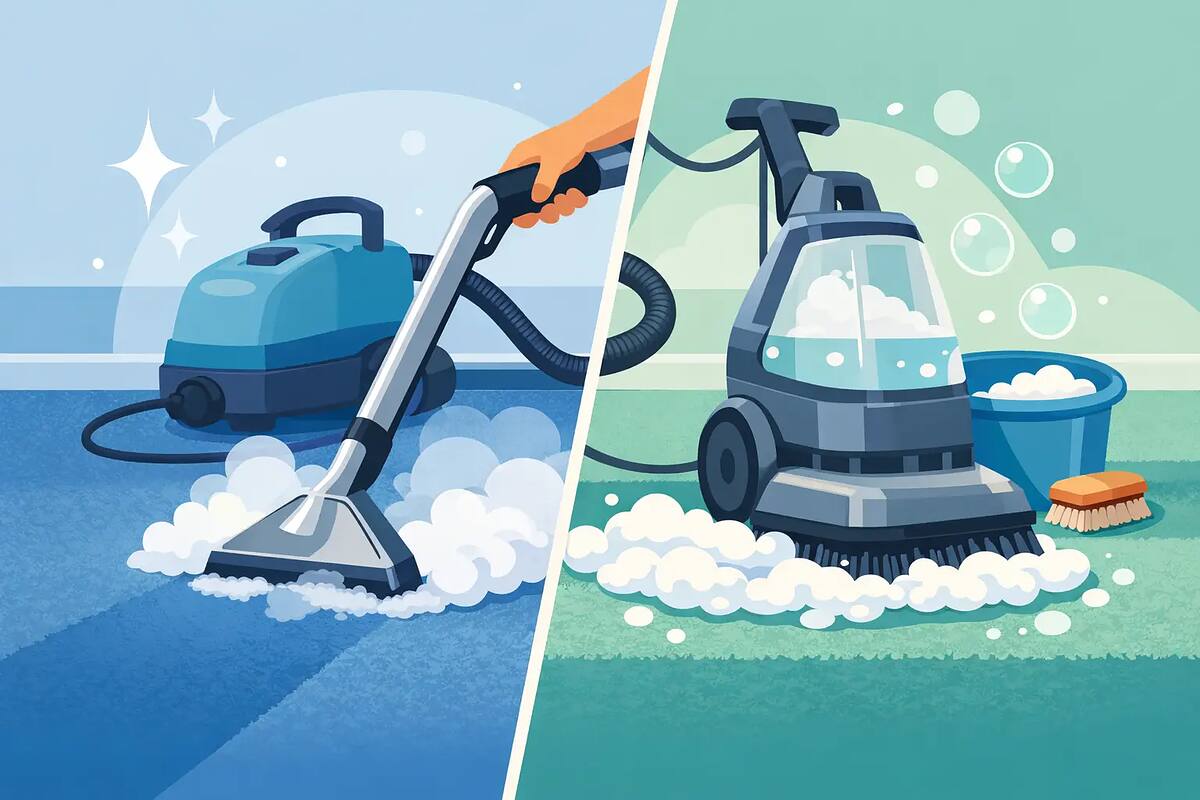
Hot Extraction Versus Dry Cleaning Compared
Hot extraction versus dry cleaning: compare carpet cleaning methods, drying times, stain removal and suitability for homes, offices and marine interiors.
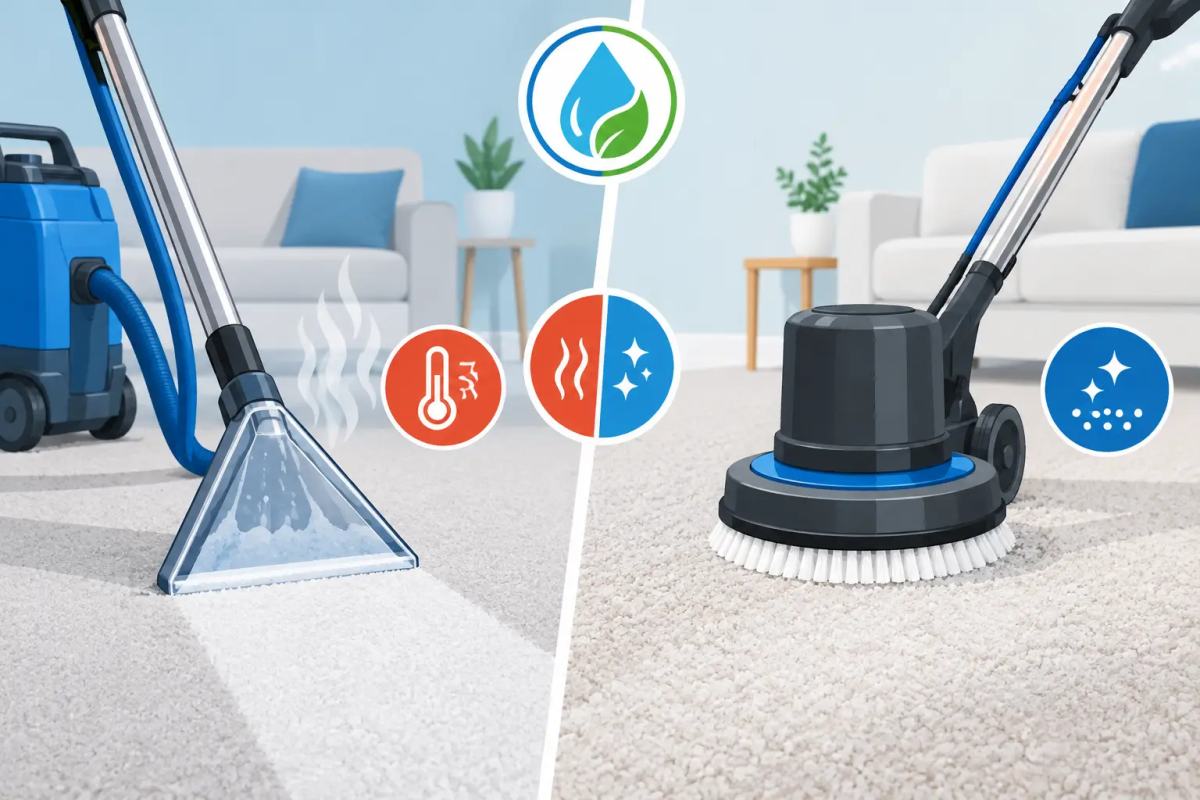
A lounge room carpet can look clean on the surface while holding fine grit, pet hair, food residue and old spill marks deep in the pile. That is where the choice between hot extraction versus dry cleaning matters. Both methods have a place, but they do different jobs. The right option depends on the carpet or fabric, the type of soiling, how quickly the area must be used, and whether there is an underlying odour or hygiene issue to deal with.
For many Northern Beaches homes and businesses, the answer is not simply whichever method dries fastest. It is the method that gets the job done properly without putting the material at risk.
What is hot extraction?
Hot extraction is often called steam cleaning, although professional equipment generally uses hot water rather than clouds of steam. A cleaning solution is applied to the carpet or upholstery, agitated where needed, then rinsed with heated water. A powerful extraction machine immediately recovers the dirty water, loosened soil and cleaning residue.
The key difference is the recovery. A professional hot extraction unit does not just wet the surface and hope for the best. It flushes contaminants from within the fibres and removes the moisture again with strong vacuum power.
This makes hot extraction particularly effective for carpets with tracked-in dirt, food and drink spills, pet accidents, body oils on upholstery, and the dull grey appearance that develops in high-traffic areas. It is also a useful treatment where hygiene is a concern, provided the material is suitable and the correct products are used.
Why it delivers a deeper clean
Carpet fibres act like filters. Dry soil falls down through the pile, oily residue sticks to fibres, and everyday foot traffic presses it all further in. Vacuuming remains essential, but it cannot always remove bonded grime or sticky residues.
Heat, suitable cleaning chemistry and agitation help break that soil away. The extraction stage then removes it instead of leaving it behind in the carpet. On a well-maintained synthetic carpet, the difference can be visible straight away: brighter colour, a lifted pile and fewer traffic marks.
For upholstery, careful hot extraction can remove the build-up that makes arms, headrests and seat cushions look darker than the rest of the lounge. However, upholstery needs a more cautious approach than carpet. Fibre type, dye stability, filling material and construction all affect how much moisture and heat can be used safely.
Drying time with hot extraction
A common concern is that hot extraction will leave carpets wet for days. That should not be the case when the work is completed with the right equipment, controlled water use and thorough extraction. Most carpets are typically dry enough to walk on within several hours, although full drying can take longer depending on pile thickness, ventilation, weather, humidity and how heavily soiled the carpet was.
Opening windows, using ceiling fans and keeping the room ventilated can help. In humid conditions, air movement and dehumidification may be needed to speed things along. A cleaner should also avoid over-wetting, as excessive moisture can contribute to slow drying, odours and potential backing issues.
What does dry cleaning mean for carpets and furniture?
Dry cleaning in the carpet-cleaning sense is a low-moisture method. It may involve an absorbent compound, encapsulation solution, bonnet cleaning or another system designed to clean with little water. The product is worked into the surface to capture or release soil, then removed by vacuuming or machine action.
Despite the name, it is not always completely dry. Most low-moisture methods use some liquid, just far less than hot extraction. Their main advantage is fast turnaround. A commercial office, retail space, apartment hallway or marine interior may need to be back in use quickly, and low-moisture cleaning can often make that practical.
Where dry cleaning works well
Dry cleaning is often a sensible choice for routine maintenance on lightly to moderately soiled carpet. It can freshen the appearance, reduce surface soil and help keep a regular cleaning schedule without lengthy downtime.
It is also useful for moisture-sensitive materials that cannot safely tolerate conventional wet cleaning. Some delicate upholstery fabrics, natural-fibre rugs and certain furniture constructions need specialist dry or very low-moisture methods. The correct technique should be decided after inspection, not selected from a one-size-fits-all menu.
For commercial premises, dry cleaning can be an efficient maintenance option between deeper restorative cleans. It can improve presentation in busy areas with minimal interruption to staff, customers or tenants.
Its limits on heavy soil and odours
Low-moisture cleaning is not automatically the best answer for every stain or odour. Where a carpet contains substantial embedded grit, sticky residues, pet urine contamination or old spill residues, dry cleaning may improve the surface without fully flushing the problem from the pile and backing.
Pet odours are a good example. The visible stain may be small, but urine can spread below the surface. Effective treatment may require locating the affected area, applying an appropriate odour treatment and using extraction to remove contamination where the material allows. Simply deodorising the top of the carpet can mask the issue for a short time, then allow it to return.
The same applies to carpets in entryways, dining areas and family rooms. If the carpet feels stiff, looks dark along walking paths or develops marks again soon after cleaning, it may need a deeper rinse rather than another surface refresh.
Hot extraction versus dry cleaning: the practical differences
The most useful way to compare hot extraction versus dry cleaning is by the result required, not the method name. Hot extraction is generally the stronger choice when the goal is restorative cleaning, stain treatment, contaminant removal and a thorough rinse. Dry cleaning is often the better fit when fast drying and minimal disruption are the priority, or when the fabric requires very limited moisture.
Neither method removes every stain. Bleach marks, dye loss, wear, burns and some permanent discolouration cannot be cleaned away because the fibre itself has changed. A professional assessment should set realistic expectations before treatment begins.
There is also a difference between cleaning a carpet and preserving it. Using too much heat, moisture or aggressive chemistry on wool, viscose, cotton, linen or delicate upholstery can cause shrinkage, colour bleeding, browning or texture changes. Synthetic carpet may tolerate hot extraction very well, while a fine natural-fibre rug may require dry compound cleaning or a controlled specialist process.
Choosing the right method for your space
For a family home with children, pets and visible traffic marks, hot extraction is often the more complete option. It is particularly worthwhile after a spill, before welcoming a new baby, when preparing a property for sale, or when carpets have gone too long between professional cleans.
For an end-of-lease clean, the right method depends on the condition of the carpet and the requirements of the property manager. A low-moisture clean may suit a lightly used unit needing a quick freshen-up. A heavily soiled rental carpet, however, is more likely to benefit from extraction and targeted stain treatment.
For offices, hospitality venues and retail spaces, cleaning timing can be as important as cleaning power. Dry cleaning may suit regular maintenance after hours, while periodic hot extraction can deal with the accumulated soil that daily vacuuming and spot cleaning miss.
Marine upholstery and carpets need their own assessment. Salt air, moisture, sunscreen, food spills and restricted ventilation can create a different set of problems. Materials may need low-moisture cleaning to reduce drying time in enclosed areas, while stubborn stains or odours may call for more intensive treatment. The method should match the material and the vessel environment.
Why inspection comes before equipment
A reliable cleaner does not arrive and use the same process on every carpet or lounge. They inspect the fibre, identify stains, check colour stability where required, assess the level of contamination and consider drying conditions. That is how you avoid treating a delicate fabric like a hard-wearing office carpet.
At Pro Wet & Dry, material-specific methods and industrial-grade recovery equipment help match the cleaning process to the actual problem, whether that is a stained sofa, an odour-affected bedroom carpet or a commercial area that needs to reopen promptly.
Before any professional clean, clear small items from the area, vacuum if practical and point out stains, pet accidents or previous cleaning attempts. That information helps the cleaner select treatments safely and gives difficult marks the attention they need.
The best result is not always the driest carpet or the wettest clean. It is a method that leaves the fibres clean, the material protected and the space ready to use again with confidence.
Carpet Cleaning
Need a hand with this?
Steam (hot water extraction) and dry carpet cleaning for homes, rentals and businesses, with fast drying times. Pro Wet & Dry has been cleaning on the Northern Beaches since 2001.
Or call 1300 132 273