Tips & guides
How to Remove Candle Wax from Carpet Safely
Need to remove candle wax from carpet? Use safe heat and lifting methods, avoid fibre damage and know when a professional clean is the smarter call first.
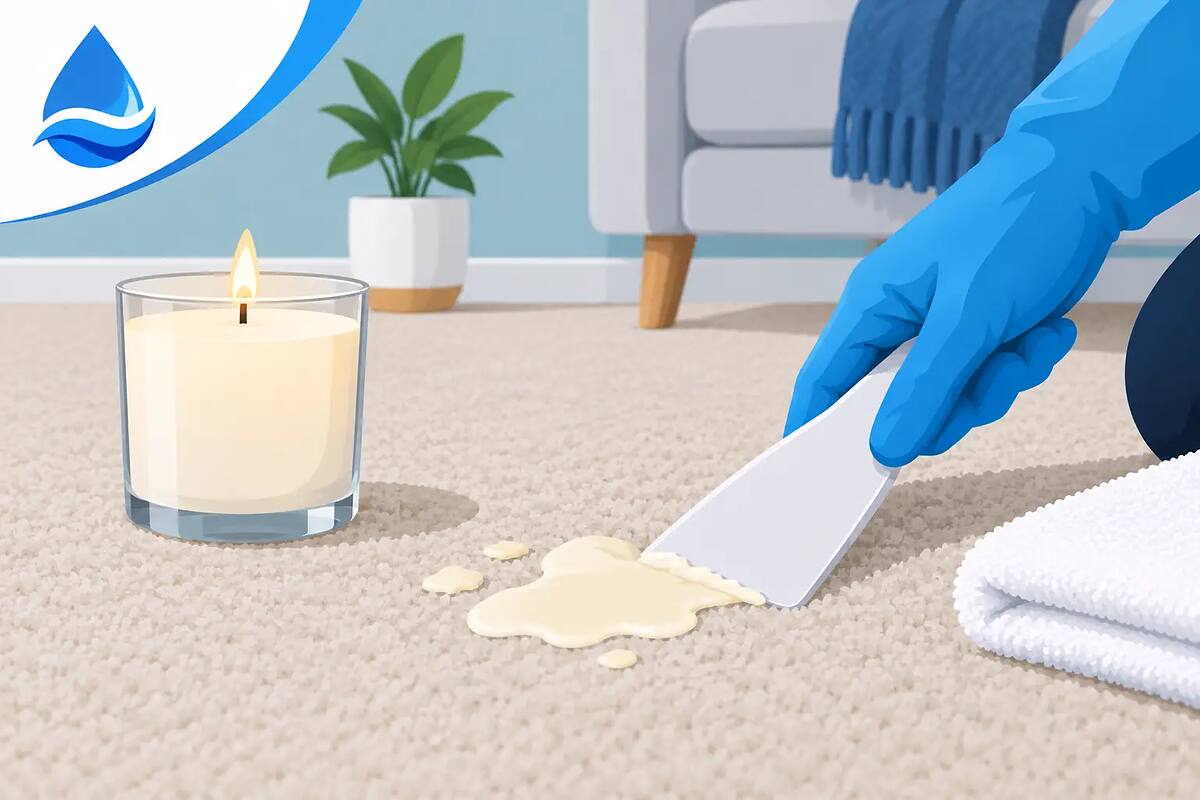
A tipped candle can leave more than a puddle of wax. Once it cools, wax settles around carpet fibres, traps dust and may leave behind a coloured or oily-looking mark. The good news is that you can often remove candle wax from carpet without replacing the carpet or turning a small spill into a larger stain. The key is to work slowly, use controlled heat, and avoid rubbing.
The right method depends on the carpet material, the colour of the wax and whether the spill has been walked on. Wool, synthetic loop pile, plush cut pile and delicate rugs all respond differently to heat and cleaning products. If you are unsure what your carpet is made from, take the cautious route and start with the least aggressive option.
How to remove candle wax from carpet
Start by letting the wax become completely hard. Trying to wipe up warm wax only pushes it deeper into the pile and spreads the spill across a wider area. Keep children and pets away from the spot while it cools.
Once the wax is firm, place a few ice cubes in a sealed plastic bag and hold it over the affected area for a minute or two. The bag keeps meltwater out of the carpet while making brittle wax easier to lift. Do not tip ice directly onto the carpet, particularly if the backing could hold moisture.
Use the edge of a spoon, a blunt knife or an old plastic card to gently break and lift away the hardened wax. Work from the outside of the spill towards the centre. This helps prevent loose flakes from being pressed into clean carpet. Vacuum the area afterwards using the upholstery or crevice tool to collect the pieces you have loosened.
You may be surprised how much wax comes away at this stage. Do not be tempted to dig at the remaining residue with a sharp blade. It is easy to catch, fray or cut carpet fibres, especially on loop pile carpets where one damaged loop can become a visible run.
Use gentle heat to draw out the residue
A thin layer of wax will usually remain after scraping. This is where absorbent paper and low, controlled heat can help. Place a plain white paper towel, brown paper bag or unprinted absorbent cloth over the wax. Avoid coloured napkins or printed paper, as ink can transfer when warmed.
Set a household iron to its lowest heat setting with the steam function switched off. Briefly press the iron over the paper, keeping it moving and checking after just a few seconds. As the wax softens, the paper should absorb it. Replace the paper with a clean section each time it picks up wax, then repeat until no more residue transfers.
Keep the iron in contact with the paper only, never directly on the carpet. Too much heat can flatten synthetic fibres, damage carpet backing or melt polypropylene. Wool carpets can also scorch or become distorted if overheated. A hairdryer on low warmth, held at a safe distance, is a gentler alternative for delicate carpet, although it takes more patience.
If the wax is in a large area, a high-value rug, or a carpet with a noticeable texture or loop pile, stop before applying heat. Professional equipment and material-specific methods are the safer choice when there is more at stake than a small spot near the coffee table.
Removing colour left by candle wax
Plain white wax is usually the simplest to deal with. Red, blue, purple and heavily dyed candles are more likely to leave pigment behind after the wax itself is gone. Scented candles can also contain oils that leave a faint darker patch or attract soil over time.
After lifting the wax, blot the area with a clean white cloth lightly dampened with warm water and a small amount of carpet-safe detergent. Blot, do not scrub. Scrubbing roughens the pile and can spread dye into surrounding fibres. Use a second cloth dampened with plain water to remove detergent residue, then blot dry with a towel.
Always test any carpet spot cleaner in an inconspicuous area first. This matters most with wool, silk-blend, hand-dyed or natural-fibre carpets, which can lose colour or develop a water mark when treated with the wrong product. Avoid strong solvents, bleach, nail-polish remover and multipurpose sprays. They may dissolve some wax, but they can also strip colour, damage backing adhesive and leave a sticky residue that attracts more dirt.
If a coloured shadow remains, resist repeated applications of stronger chemicals. The remaining mark may be pigment rather than wax, and it needs a targeted stain treatment rather than more heat. A professional cleaner can assess whether the colour is sitting on the fibre surface or has bonded to it, then use the appropriate process without over-wetting the carpet.
What not to do with wax on carpet
Most carpet damage happens when someone acts quickly with the wrong tool. There are a few common mistakes worth avoiding:
- Do not pour boiling water over the spill. It spreads melted wax, drives it down towards the backing and may leave excess moisture in the carpet.
- Do not rub with a scourer, stiff brush or rough towel. These can fuzz the pile and make the affected patch look worn even after the wax is gone.
- Do not use high iron heat or steam. Heat that is too intense can permanently alter synthetic fibres and make a repair much harder than the original spill.
- Do not soak the area with solvent or stain remover. Saturation can spread colour, affect adhesives and create drying or odour issues beneath the surface.
Vacuuming alone is also unlikely to fix the problem. It can remove brittle flakes, but it will not lift wax that has wrapped around the fibres or settled close to the backing.
When professional carpet cleaning is the better call
A small white-wax spill on a durable synthetic carpet is often manageable at home. The decision changes when the spill is old, coloured, large, scented, repeatedly walked on or located on a premium carpet. It also changes if you have tried heat and can still feel a waxy stiffness in the pile.
For tenants preparing for an inspection, a visible wax mark can be particularly frustrating. A DIY attempt that leaves a pale patch, flattened fibres or a ring around the stain can draw more attention than the original spill. Landlords and property managers also benefit from a proper assessment before arranging replacement, as many marks can be treated without taking the carpet out.
Professional cleaning is useful because it combines fibre identification, controlled treatment and high-powered extraction where appropriate. Rather than applying one product to every carpet, the cleaner can select methods that suit wool, nylon, polypropylene and blended fibres. Thorough extraction also helps remove detergent residue and speeds up drying, so the room can return to normal sooner.
For Northern Beaches homes, offices and rental properties, Pro Wet & Dry can assess stubborn candle wax residue alongside the broader condition of the carpet. This is particularly useful where wax is mixed with soil, pet hair, candle oils or older marks that have built up around the spill.
Protect the carpet after the clean-up
Once the area is dry, brush the pile gently with your hand or a soft carpet brush to help it sit evenly with the surrounding fibres. Check it again in natural light the next day. Artificial lighting can hide a faint colour change or oily residue that becomes obvious once the room is brighter.
If the spot looks clean but feels stiff, there may still be residue below the surface. Addressing it early is generally easier than waiting for foot traffic to press it deeper into the carpet. A careful first response protects both the appearance of the room and the life of the carpet.
Stain Removal
Need a hand with this?
Red wine, coffee, food, ink and more. Specialised products and equipment for tough stains. Pro Wet & Dry has been cleaning on the Northern Beaches since 2001.
Or call 1300 132 273