Tips & guides
Professional Versus DIY Stain Removal Compared
Professional versus DIY stain removal explained: know when home treatment is enough and when specialist cleaning safely protects carpets, lounges and rugs.
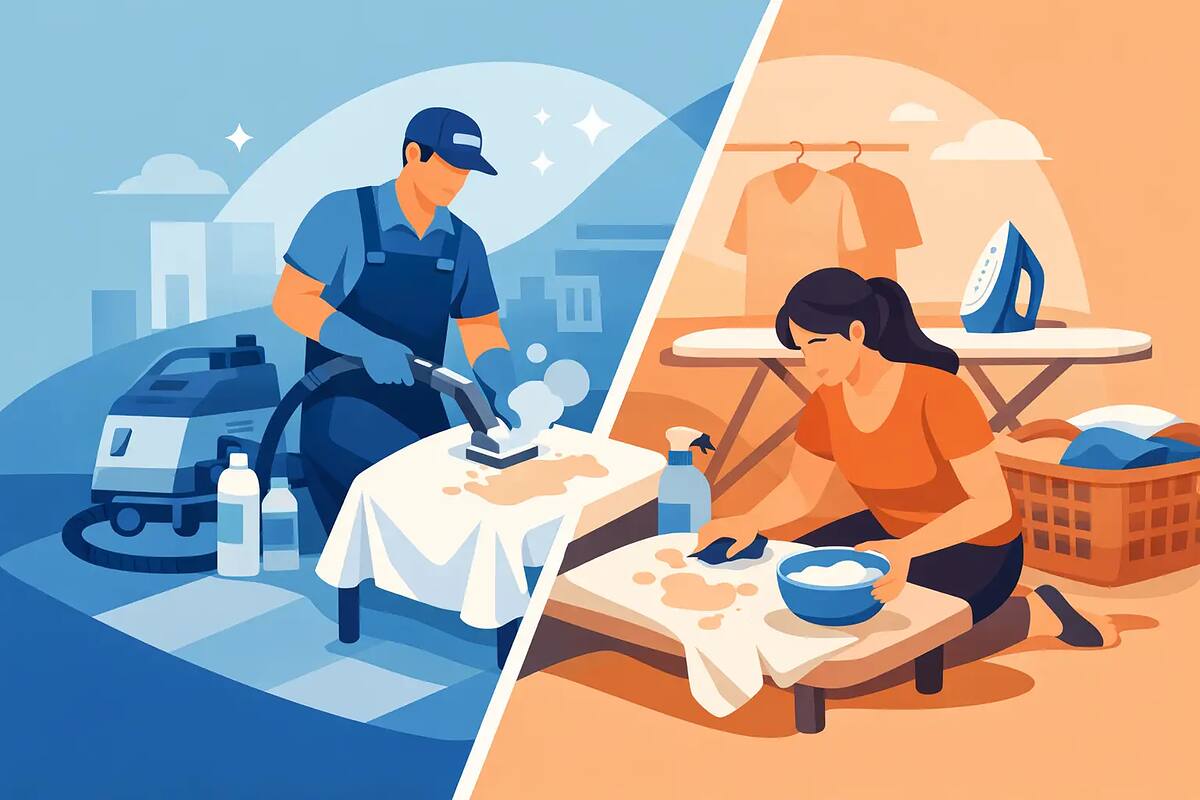
A knocked-over flat white on the lounge, muddy paw prints across the carpet, or a red wine spill just before guests arrive can make professional versus DIY stain removal feel like an urgent decision. Acting quickly matters, but the wrong cleaner, too much water or aggressive scrubbing can turn a manageable mark into a permanent problem.
For many fresh spills, careful DIY treatment is sensible. For older, larger or unknown stains, professional cleaning is usually the safer way to get the job done properly without risking the carpet, fabric, leather or backing underneath. The best choice comes down to the stain, the material and what has already been tried.
When DIY stain removal makes sense
DIY stain removal works best when the spill is fresh, contained and on a material you understand. A small amount of clean water, a white absorbent cloth and a calm approach can prevent many everyday spills from setting.
The first rule is to blot, not scrub. Press a clean white cloth or paper towel into the spill to lift as much liquid as possible, working from the outside towards the centre. Scrubbing pushes contamination deeper into fibres, spreads the affected area and can roughen delicate upholstery fabrics.
Plain water is often the safest starting point for water-based spills such as cordial, soft drink or fresh food marks. Use only a small amount, then blot again. Over-wetting a carpet or lounge can cause water marks, leave residues behind and allow moisture to reach padding or backing materials where drying is much slower.
DIY treatment can also be useful as first aid while arranging professional help. Blotting up pet urine quickly, for example, can reduce how far it travels into carpet backing and underlay. It does not necessarily remove the odour source, but it gives the stain less time to settle.
The limits of supermarket stain products
Off-the-shelf products can be useful, but they are not universal solutions. Many are designed for a narrow group of stains or synthetic carpet fibres. A product that works on one carpet may bleach another, leave a sticky residue that attracts soil, or react poorly with previous treatments.
This is particularly relevant with wool carpet, viscose rugs, linen, velvet, silk blends, natural-fibre upholstery and leather. These materials can change colour, distort, stiffen or develop water rings if treated incorrectly. Even some durable-looking lounges contain mixed fibres, colourfastness issues or delicate dyes that need to be tested before cleaning.
Home remedies can be even less predictable. Vinegar, baking soda, dishwashing liquid and hydrogen peroxide are regularly suggested online, yet the result depends on concentration, fabric type and the stain itself. Baking soda may leave a powdery residue in a carpet. Strong alkaline products can affect wool. Peroxide can lighten dyes. Dishwashing liquid can create excessive foam that is difficult to rinse out properly.
Professional versus DIY stain removal: the real difference
The main difference is not simply having a stronger cleaning product. Professional stain removal combines stain identification, material assessment, targeted chemistry, controlled agitation and thorough extraction. Each part matters.
A technician first considers what caused the mark. Protein stains such as blood, milk, vomit or pet accidents need a different approach from oily food, ink, rust, tannin from tea or wine, or tracked-in soil. A stain that has been heat-treated, repeatedly scrubbed or left for weeks may need staged treatment rather than one quick application.
The surface also determines the method. A carpet is not cleaned in the same way as a fabric sofa, a leather lounge, a commercial entry area or marine upholstery. Fibre type, construction, colour stability, pile direction and the material beneath the visible surface all affect the safest process.
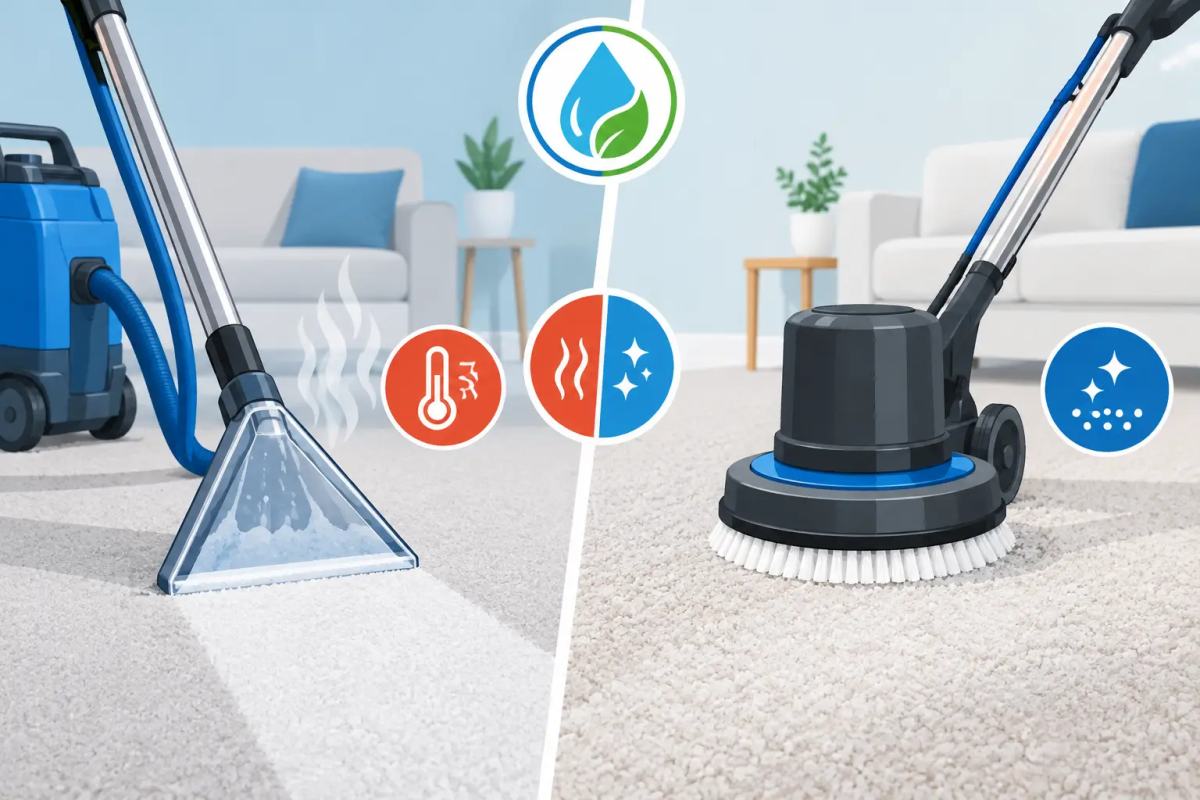
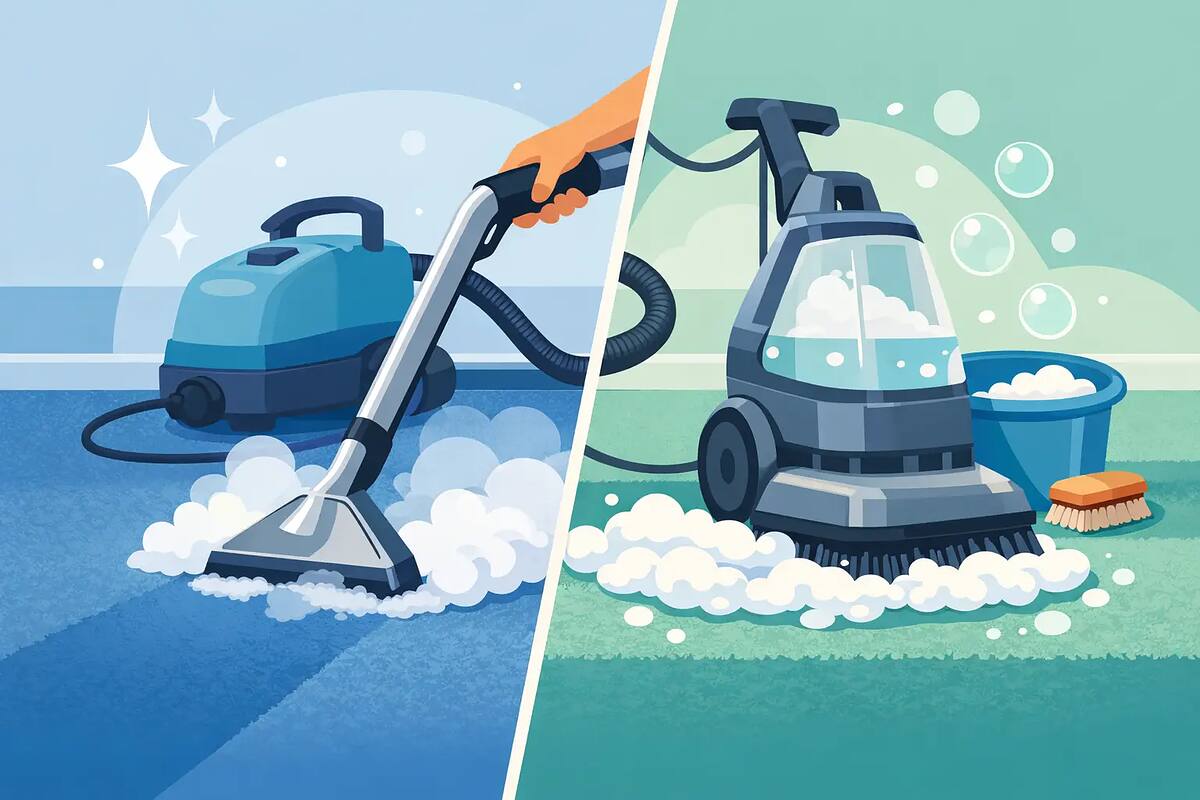
Specialised equipment makes a practical difference as well. Professional hot water extraction and recovery systems can flush suspended soils and treatment residues from deep in carpet fibres, then recover the moisture efficiently. That helps avoid the common DIY outcome where a spot appears better initially but returns after drying because residue or contamination remains below the surface.
Fast, controlled drying is equally important. Leaving carpet or upholstery wet for too long can create musty smells, affect backing materials and disrupt the use of the room. Professional equipment is designed to clean thoroughly while limiting unnecessary moisture, which is especially helpful for busy homes, offices, hospitality venues and rental properties that need areas back in use promptly.
Stains that are better left to a specialist
Some jobs are worth escalating early rather than experimenting with several products. Red wine on light carpet, coffee on a pale fabric lounge, ink, paint, grease, nail polish, blood and unknown marks all carry a higher risk of setting or spreading.
Pet accidents deserve particular attention. The visible patch may be small, but urine can travel through carpet into underlay and even the subfloor. Surface sprays can mask the smell for a short time without addressing the crystals and bacteria causing the odour. A proper pet odour treatment targets the affected area more thoroughly, which matters in homes with pets, toddlers or recurring accidents.
Old stains are another case where DIY often reaches its limit. Heat, sunlight, age and previous cleaning attempts can alter a stain chemically. What looks like a simple coffee spot could now include detergent residue, soil attraction and dye damage. A professional may not be able to reverse every permanent colour loss, but an informed assessment avoids making it worse and gives the stain its best chance of improvement.
Water damage is not a DIY stain-removal job. A burst pipe, overflowing appliance, stormwater entry or marine water intrusion needs fast extraction, drying and moisture management. Industrial recovery capability can help protect carpets, furnishings and the building itself from longer-term damage and odour issues.
The cost question: cheap now or cheaper overall?
DIY cleaning can cost very little when it works. For a fresh, minor spill, that is exactly why it should be your first move. The trade-off is that incorrect treatment may create extra cost later through bleaching, fabric damage, recurring stains or the need for more extensive cleaning.
Professional cleaning costs more upfront because it includes trained assessment, specialist products and equipment, and time spent on the treatment process. It can be better value when the item is expensive, the stain is highly visible, the surface is delicate or the affected area is large. Replacing a quality rug, lounge or carpet section is rarely the economical outcome.
For tenants and landlords, the decision can also affect an end-of-lease inspection. Patchy spot cleaning, lingering odours and obvious water marks can stand out more than the original spill. For commercial premises, a stained reception carpet or upholstered seating can affect how customers view the business. In these settings, reliable results and minimal disruption are usually worth prioritising.
What to do before professional help arrives
If you decide the stain needs expert attention, avoid adding more products. Blot excess liquid, keep people and pets off the area where possible, and take a quick photo before treatment if you need a record for a property manager or insurer.
Tell the cleaner what caused the stain, when it happened and anything already applied. That information helps them select the right treatment and avoid product reactions. If the area has a strong odour or has been wet for some time, mention that too, as the visible stain may be only part of the issue.
Pro Wet & Dry works across the Northern Beaches with material-specific cleaning methods for carpets, lounges, upholstery, leather and difficult odour or water-damage problems. Whether you are in Mona Vale, Dee Why, Avalon, Newport, Narrabeen or Brookvale, early action gives a stain the best chance of coming out cleanly.
The practical rule is simple: blot a fresh small spill carefully, but do not gamble with valuable furnishings or a stain that is spreading, setting or smelling worse. A quick, informed call can protect the surface you want looking like new again.
Stain Removal
Need a hand with this?
Red wine, coffee, food, ink and more. Specialised products and equipment for tough stains. Pro Wet & Dry has been cleaning on the Northern Beaches since 2001.
Or call 1300 132 273