Tips & guides
Why Pet Odour Recurrence Keeps Happening
Pet odour recurrence usually means urine remains below the surface. Learn why it returns and how professional treatment removes it at the source for good.
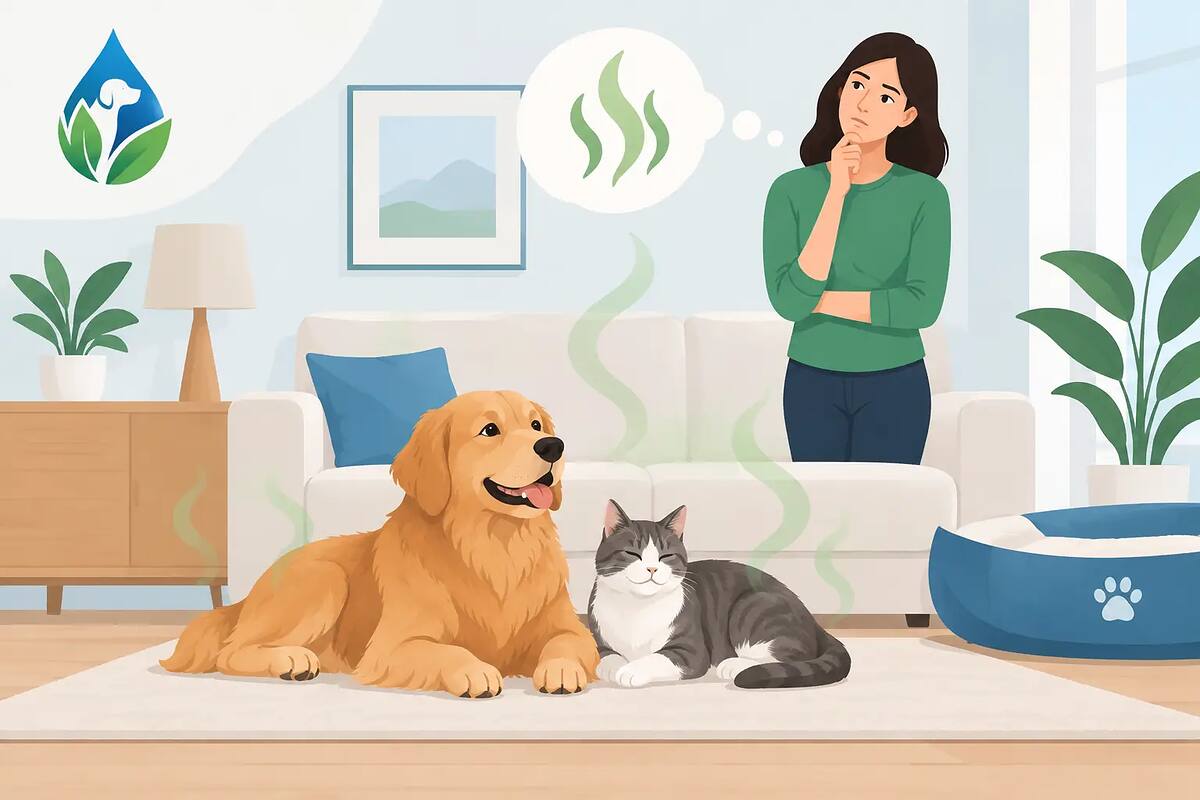
A carpet can look clean, feel dry and still produce that unmistakable smell a few days later. Pet odour recurrence is frustrating because it often feels like the cleaning did not work, but the real issue is usually that the source of the odour was never fully reached.
Pet urine does not always stay on the visible surface. It can move through carpet fibres, into the backing and underlay, and sometimes reach the subfloor beneath. A quick deodoriser may improve the room for a while, but it cannot remove contamination sitting below the carpet. When humidity rises, the room warms up or the area becomes damp again, the odour can return.
What causes pet odour recurrence?
The smell associated with pet accidents is not simply a surface stain. As urine dries, it leaves behind salts and organic residue. These residues can remain active deep in the carpet system, even after the visible mark has faded. Moisture in the air can reactivate them, releasing the odour again.
This is why an affected room may smell fine in the morning, then noticeably worse after a warm afternoon, wet weather or a steam-filled bathroom nearby. It can also become more obvious when a pet returns to the same spot. Dogs and cats can detect lingering scent markers long before people can, which is one reason repeat marking happens.
The extent of the issue depends on several factors: how often the accident occurred, how quickly it was treated, the carpet construction, and whether the urine has reached the underlay or flooring below. A single fresh accident in a small area is very different from repeated marking around a doorway, lounge corner or bedroom wall.
Why household cleaners often mask the problem
Supermarket spot cleaners can be useful for acting quickly on a fresh accident, particularly if they are used exactly as directed. The limitation is depth. Most home treatments are designed to clean what is accessible from the top, not to flush and recover contamination through every layer of carpet and underlay.
Deodorisers can also create a false sense of success. A strong fragrance may cover the odour temporarily, but perfume is not treatment. Once the fragrance fades, the original smell can return. Some products also leave soap or detergent residue behind, which can attract dirt and make the area feel tacky underfoot.
Over-wetting is another common problem. Pouring large amounts of cleaner into the carpet without effective extraction can push urine further down or leave excess moisture in the underlay. That increases drying time and can create another hygiene concern.
A home approach is most useful when the accident is fresh and localised. Blot the area promptly with clean white towels, avoid rubbing it deeper into the fibres, and use an appropriate pet-specific cleaner sparingly. If the odour remains after drying, or returns repeatedly, it is time to treat the source rather than apply more product on top.
Finding the full extent of the contamination
The visible stain is not always the full affected area. Urine can spread sideways beneath the carpet, particularly on absorbent underlay. Older marks may leave no obvious discolouration at all, especially on patterned or darker carpet.
Professional assessment is valuable because it identifies where treatment is actually needed. Depending on the material and condition, this may involve inspecting the carpet, checking surrounding areas and using detection methods to locate contamination that cannot be seen in normal light. Treating only the spot you can see is one of the main reasons odours come back.
This matters in rental properties as much as family homes. Tenants may have cleaned a room before vacating, yet a landlord or incoming tenant notices odour once the property has been closed up. The same issue can arise in offices, waiting areas and marine cabins, where enclosed spaces make residual odours more noticeable.
Treating the source, not just the carpet surface
Effective pet odour treatment is a process, not a one-size-fits-all spray. The right method depends on the carpet fibre, dye stability, the size and age of the affected area, and how far the contamination has travelled.
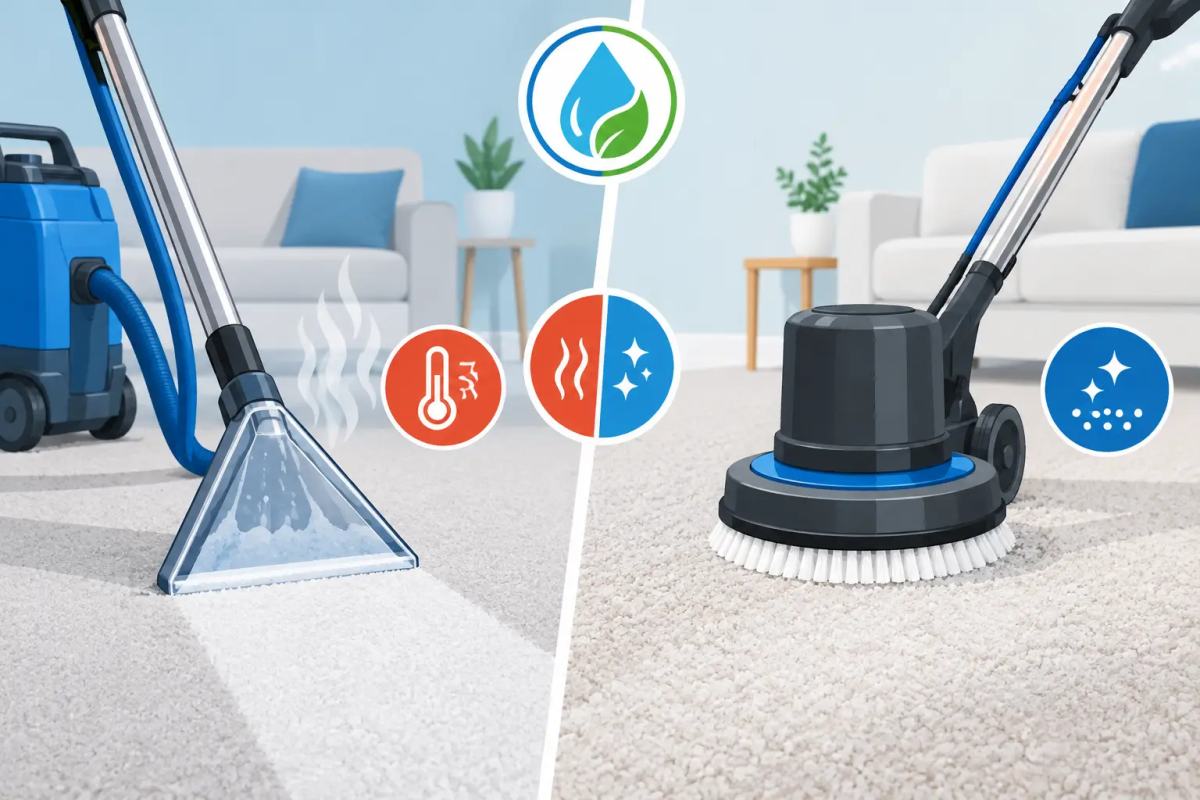
For many carpeted areas, treatment starts by applying a suitable solution that targets the organic residue causing the odour. The area then needs controlled flushing and high-powered extraction to lift dissolved contaminants out of the carpet rather than leave them behind. Industrial-grade recovery equipment is especially important here because it removes moisture and residue far more effectively than a basic hired machine.
If contamination has reached the underlay or subfloor, surface cleaning alone may not be enough. In more serious cases, sections of carpet may need to be lifted so the underlay can be assessed, treated or replaced. The subfloor may also require treatment before the carpet is reinstalled. It is more involved, but it is often the only practical way to stop a long-standing smell from cycling back.
Upholstery needs a different approach. Urine in a fabric sofa, mattress or cushion can travel into foam and internal padding, where it is difficult to extract without the correct method. Leather and delicate natural fibres require even more care. Using the wrong chemistry or too much moisture can damage the finish, cause colour loss or leave water marks. Material-specific cleaning protects the item while addressing the odour properly.
Fast drying helps protect the result
Drying is not an afterthought. A well-treated carpet should be left as dry as practical after cleaning, with enough airflow to finish drying promptly. Faster drying reduces inconvenience for busy households and helps prevent residual dampness from becoming a separate issue.
Open windows when weather permits, run ceiling fans or air conditioning, and keep pets and foot traffic off the treated area until it is dry. If a room has poor ventilation or the carpet is particularly dense, drying can take longer. A reputable cleaner should set clear expectations based on the conditions rather than promise the same result for every home.
How to prevent repeat marking
Removing old odour gives you a much better starting point, but prevention also involves the pet and the environment. If a dog or cat repeatedly uses one location, investigate the reason. It may be a habit formed by residual scent, but it can also be stress, territorial behaviour, changes in routine, an unclean litter tray or a health issue.
Keep litter trays clean and accessible, take dogs out on a consistent schedule, and block access to previously affected areas while habits are being reset. For cats, avoid placing food and water too close to the litter tray. If toileting changes suddenly or continues despite cleaning, speak with a vet. A cleaning treatment can remove the scent source, but it cannot diagnose discomfort or behavioural triggers.
For households with older pets or recurring accidents, regular professional maintenance can be more cost-effective than waiting until odours become embedded. It also helps protect carpet, rugs, lounges and mattresses that are expensive to replace.
When to call a professional for pet odour recurrence
A professional treatment is worth considering when the odour returns after DIY cleaning, the affected area is large or repeated, or the smell becomes stronger in humid weather. It is also the sensible option before an end-of-lease inspection, property sale, new tenancy or the arrival of a baby, guest or new pet.
At Pro Wet & Dry, the focus is on locating the affected area, selecting a safe treatment for the material and extracting the contamination thoroughly. For Northern Beaches homes, rental properties and commercial spaces, that means practical advice about whether surface treatment is sufficient or deeper work is needed.
A pet accident does not have to mean living with an ongoing smell or replacing carpet before its time. Address the contamination early, allow the area to dry properly and get the deeper layers assessed when the odour keeps returning. That is how a room gets back to smelling clean, rather than merely smelling covered up.
Odour Removal
Need a hand with this?
Pet urine, vomit and lingering smells treated at the source, not masked. Pro Wet & Dry has been cleaning on the Northern Beaches since 2001.
Or call 1300 132 273