Tips & guides
How to Prevent Carpet Wicking After Cleaning
Learn how to prevent carpet wicking after cleaning with proper drying, spot treatment and professional extraction for cleaner Northern Beaches carpets.
A carpet can look spot-free when the cleaner leaves, then reveal brown or yellow marks a few hours later. That frustrating problem is called wicking. To prevent carpet wicking after cleaning, the job needs more than surface stain removal - it needs the right treatment, thorough soil recovery and fast, even drying.
Wicking is especially common in light-coloured carpets, high-traffic walkways, around dining tables and in homes with pets. It is also a frequent issue after DIY spot cleaning, when a spill has soaked into the backing or underlay rather than staying on the carpet face.
What carpet wicking is and why it happens
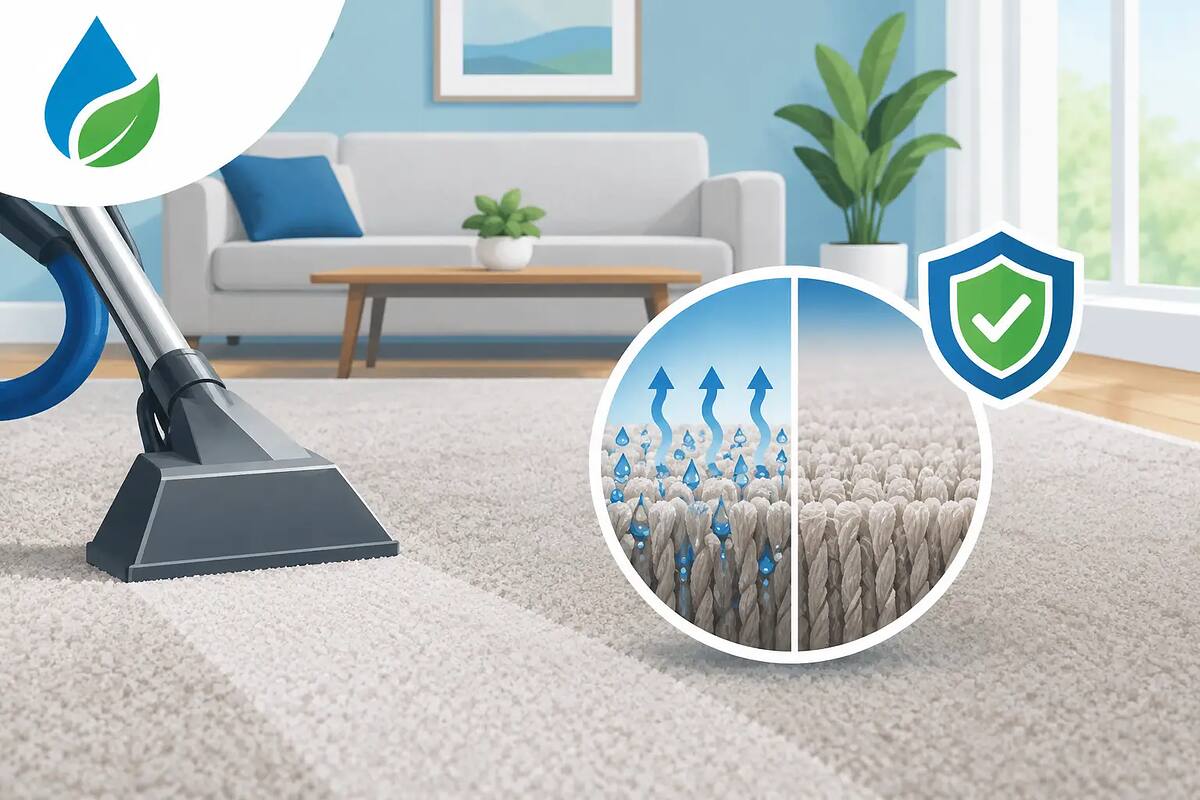
Carpet fibres work a little like the wick in a candle. When the carpet is wet, moisture from deep in the pile, backing and sometimes the underlay travels upwards as it dries. If that moisture contains dissolved soil, old drink residue, pet urine, tannins or cleaning product, it carries the contamination back to the surface.
The result is a stain that appears to have returned, although it may not be the original stain at all. A coffee spill, for example, can leave behind sugars and brown pigments deep in the carpet. Cleaning the visible top layer may improve it straight away, but wetting the carpet again can draw remaining residue up during drying.
Wicking is not always caused by poor cleaning. Some stains have travelled deeply over time, and heavily soiled carpets can hold a surprising amount of embedded grime. The difference is whether the cleaner recognises the risk and manages it properly.
Prevent carpet wicking after cleaning with better extraction
The most reliable way to stop wicking is to remove as much contamination and moisture as possible before drying begins. This is where professional hot water extraction differs from simply shampooing or wetting a stain with a supermarket product.
A proper process starts with identifying the stain. Protein-based pet contamination, oily food marks, rust, coffee and red wine all need different products and handling. Applying the wrong chemical can set a stain, damage delicate fibres or leave residue that attracts dirt after the carpet dries.
The treated area should then be rinsed and extracted thoroughly. Powerful recovery equipment lifts loosened soil and dirty water from the pile instead of allowing it to remain below the surface. On a deep spot, this may involve controlled repeat flushing and extraction rather than soaking the area all at once.
Over-wetting is a common DIY problem. More water does not equal a cleaner carpet. If the backing and underlay become saturated, drying takes longer and the chance of wicking increases. It can also create a musty smell, encourage mould growth or affect timber flooring beneath the carpet.
Soil needs to come out, not move around
Some cleaning methods can make a carpet look cleaner initially while redistributing residue through the fibres. This is why a carpet may feel stiff, look dull again quickly or develop a ring around a treated spot. The aim is to remove the contaminant, then leave minimal moisture behind.
For severe staining, it may be necessary to treat the spot more than once. That is not a shortcut or a failure. It is often the sensible approach when contamination has reached the backing or underlay, particularly after an old spill or repeated pet accident.
Dry the carpet quickly and evenly
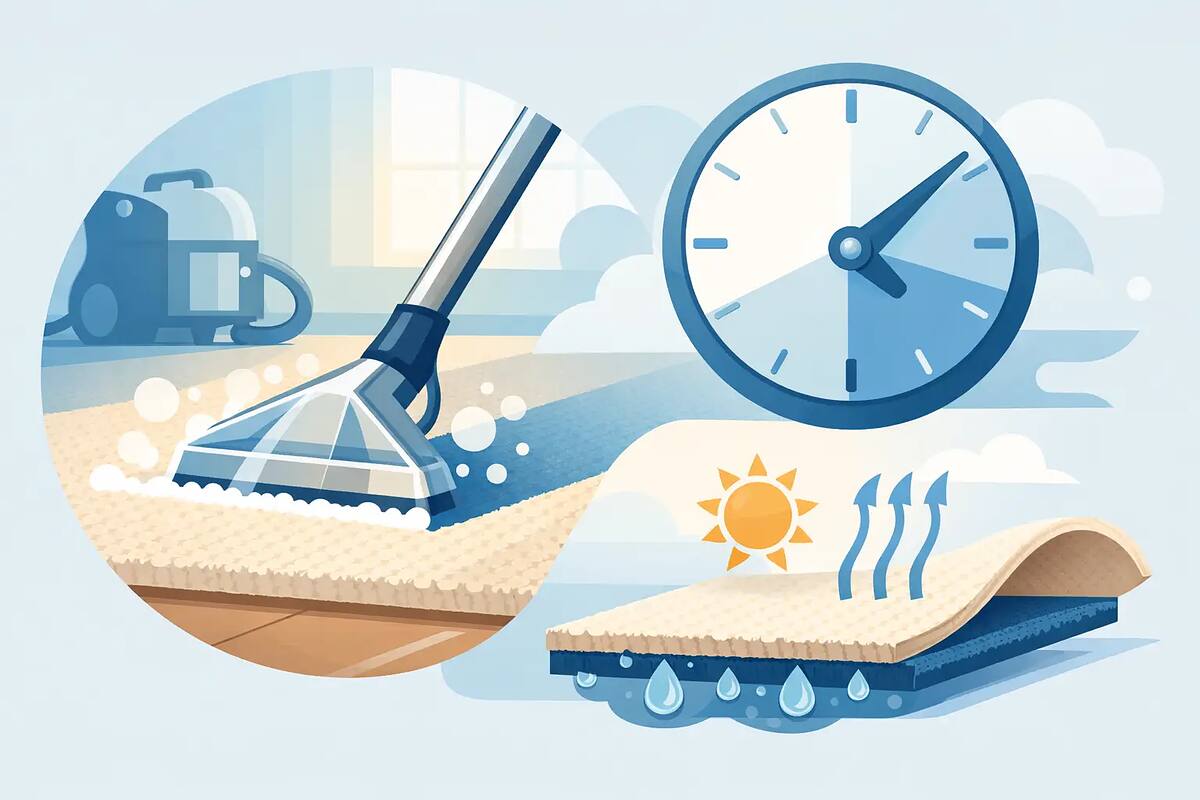
Even excellent extraction needs proper drying conditions. Fast drying reduces the time available for dirty moisture to travel back up through the carpet pile.
After cleaning, open windows where weather and security allow, use ceiling fans or portable air movers, and run air conditioning or a dehumidifier if the room is humid. Keep foot traffic and furniture off the damp carpet until it is dry. Walking across it can push remaining soil into the fibres and flatten the pile before it has recovered.
Drying times vary. A lightly soiled room cleaned with strong extraction may be dry within a few hours, while a thick wool carpet, humid day or deeply treated stain can take longer. Ventilation, carpet type, soil level and how much moisture was required all matter.
Do not place a plastic protector, rug or heavy furniture directly onto damp carpet. If furniture must go back in place, use protective blocks or tabs under legs until the carpet is fully dry. This prevents dye transfer, rust marks and compressed damp patches.
What to do if a stain reappears
If a mark comes back after the carpet has dried, avoid the urge to scrub it hard or flood it with more cleaner. Scrubbing can damage the pile and spread the stain outward, while excess spotter may add more residue to the problem.
Instead, blot the area with a clean white towel to check whether moisture or colour is still transferring. Use gentle pressure rather than rubbing. If the stain has only lightly resurfaced, a controlled rinse and thorough extraction may resolve it. If it is dark, odorous or keeps returning, it is likely sitting deeper than the carpet face.
Pet urine deserves particular attention. The visible mark can be much smaller than the affected area underneath, and urine salts can reactivate with moisture or humidity. Standard deodoriser sprayed on top may mask the smell briefly without treating the source. Deep urine contamination may need specialised treatment that reaches the backing and, in some cases, the underlay.
Practical steps before and after a carpet clean
A few simple decisions help deliver a cleaner result and reduce the risk of returned stains:
- Vacuum thoroughly before cleaning. Dry vacuuming removes grit, hair and loose soil that can otherwise turn to mud when wet.
- Point out old stains, pet areas and previous DIY treatments before work starts. This helps determine the safest treatment and sets realistic expectations.
- Remove lightweight furniture and clear access to stained areas. Better access allows more even cleaning and drying.
- Increase airflow straight after cleaning, particularly in enclosed rooms, apartments and humid coastal conditions.
- Wait until the carpet is dry before judging the final result. Some fibres can look darker while damp, and true wicking generally becomes visible during the drying period.
When professional cleaning is the better option
DIY machines can be useful for light, fresh spills, but they have limits. Many hire units apply more water than they recover, and household spot cleaners are rarely designed for deep contamination. The risk rises with wool, viscose, silk blends, expensive carpets, large stains, pet odours and water damage.
A professional cleaner can assess the fibre, stain type and moisture level before selecting a method. Wool carpet, for instance, needs careful moisture and pH control. Synthetic carpet may tolerate a different approach, but still needs enough recovery to avoid residue and wicking.
For homes, rental properties, offices and marine interiors across the Northern Beaches, Pro Wet & Dry uses specialised extraction equipment and material-specific treatments to tackle embedded soil while supporting faster drying. This is particularly valuable where presentation matters, whether that is an end-of-lease inspection, a family lounge room or a customer-facing commercial space.
Some stains cannot be fully reversed
It is worth being realistic: not every returning mark is removable. Bleach, dye loss, sun fading, permanent colour changes and old water damage can resemble stains but are actually changes to the fibre itself. A qualified cleaner can usually tell the difference before aggressive treatment causes further damage.
Likewise, a carpet that has been repeatedly soaked by a leaking appliance, floodwater or ongoing pet accidents may have contamination in the underlay or subfloor. Surface cleaning alone may improve the appearance without resolving odour or hygiene concerns. In those cases, deeper recovery work or targeted restoration is the practical next step.
The best time to deal with a spill is early, before it works its way through the carpet. Blot it, avoid over-wetting it, keep air moving after cleaning and arrange professional help when a stain keeps returning. That approach protects the carpet, shortens drying time and gives you a result that still looks clean tomorrow.
Flood Recovery
Need a hand with this?
Industrial water extraction and drying after floods, leaks and burst pipes. Pro Wet & Dry has been cleaning on the Northern Beaches since 2001.
Or call 1300 132 273