Tips & guides
Best Carpet Treatments for Allergies at Home
Find the best carpet treatments for allergies, from HEPA vacuuming to hot-water extraction, for cleaner Northern Beaches homes with less dust and dander.
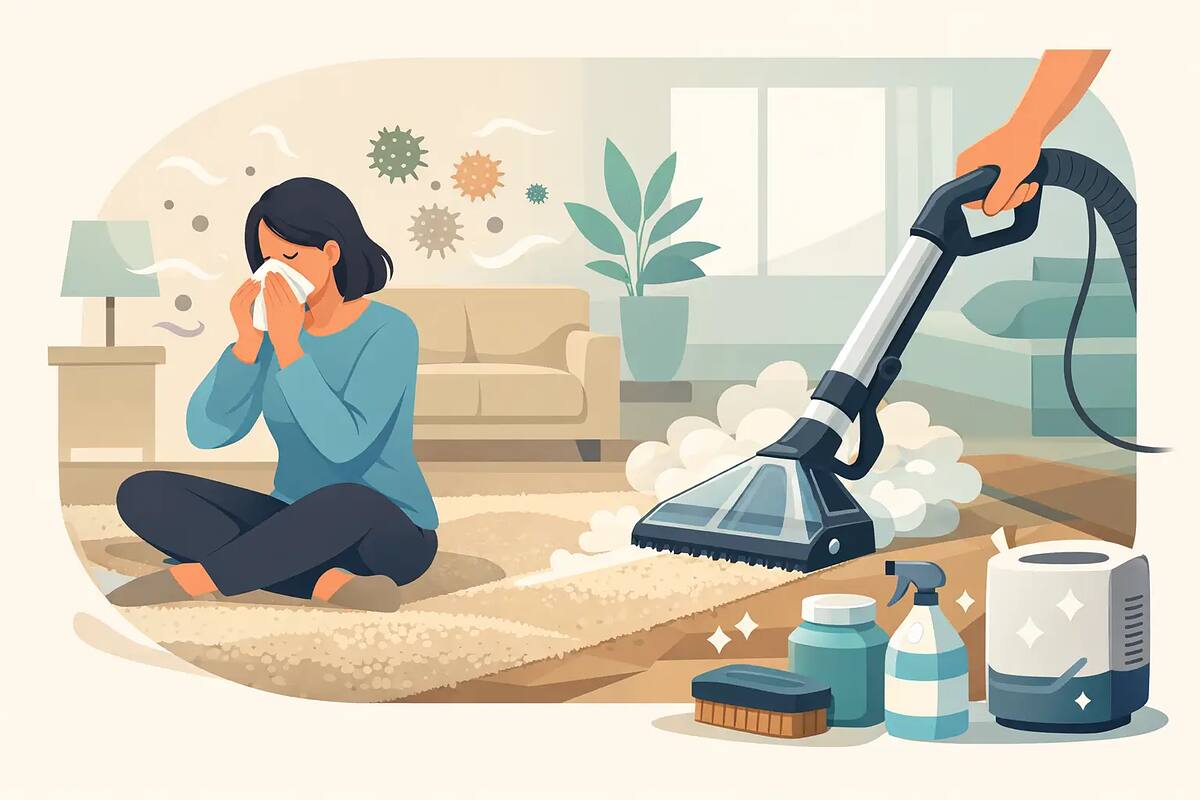
When carpet is holding dust, pet dander and fine debris below the surface, a quick vacuum can make a room look clean without making it feel cleaner. The best carpet treatments for allergies focus on removing the material that triggers symptoms, not simply masking odours or freshening the pile.
For Northern Beaches homes, that often means a combination of regular HEPA-filter vacuuming, targeted spot care and periodic professional extraction. The right approach depends on the carpet fibre, how much foot traffic it gets, whether pets live in the home and whether there has been moisture damage or mould growth.
What in Carpet Can Trigger Allergies?
Carpet is not automatically an allergy problem. In good condition and cleaned properly, it can hold fine particles until they are removed rather than allowing them to circulate constantly. Trouble starts when dust, dander, pollen and moisture build up deep in the pile and backing.
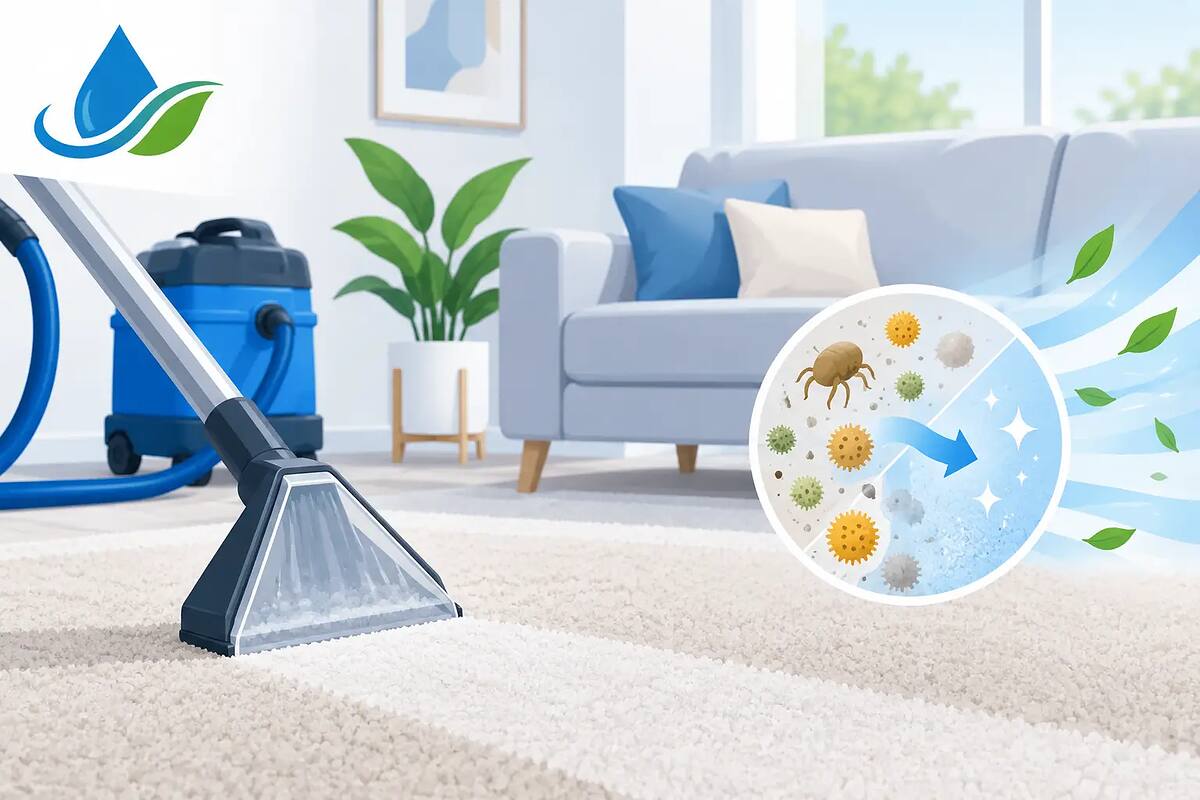
Dust mite allergens are a common concern in bedrooms and lounges, particularly where carpet has not been thoroughly cleaned for some time. Pet dander can settle through the carpet, even in homes where a pet is only allowed in selected rooms. Pollen is another issue after windy days, with shoes, clothing and open windows bringing it indoors.
Mould needs a different response. If a carpet has been wet from a leak, stormwater, overflowing appliance or flooding, the priority is fast water extraction and drying. Cleaning the surface while leaving moisture in the backing or underlay does not solve the problem. It can allow odours and microbial growth to continue out of sight.
Best Carpet Treatments for Allergies: What Works
There is no single treatment that suits every allergy-sensitive household. A wool carpet, for example, needs a different cleaning method from a hard-wearing synthetic carpet in a busy rental or commercial entry. The treatments below work best when matched to the condition of the carpet rather than selected purely because they sound strong.
HEPA-filter vacuuming for weekly control
A quality vacuum with a sealed HEPA filtration system is the practical starting point. It helps capture fine particles instead of blowing them back into the room through the exhaust. Vacuum slowly, using overlapping passes, especially around beds, sofas, skirting boards and entrances.
For households with pets or known allergies, vacuuming high-use rooms two or three times a week is often worthwhile. Empty the bin outside where possible, and clean or replace filters according to the manufacturer’s directions. A full vacuum cleaner with a blocked filter will not perform as it should.
This is maintenance, not a replacement for deep cleaning. Standard vacuuming removes loose dry soil well, but it cannot fully lift the grime, oily residue and allergens that have worked down into heavily used carpet.
Professional hot-water extraction for deep removal
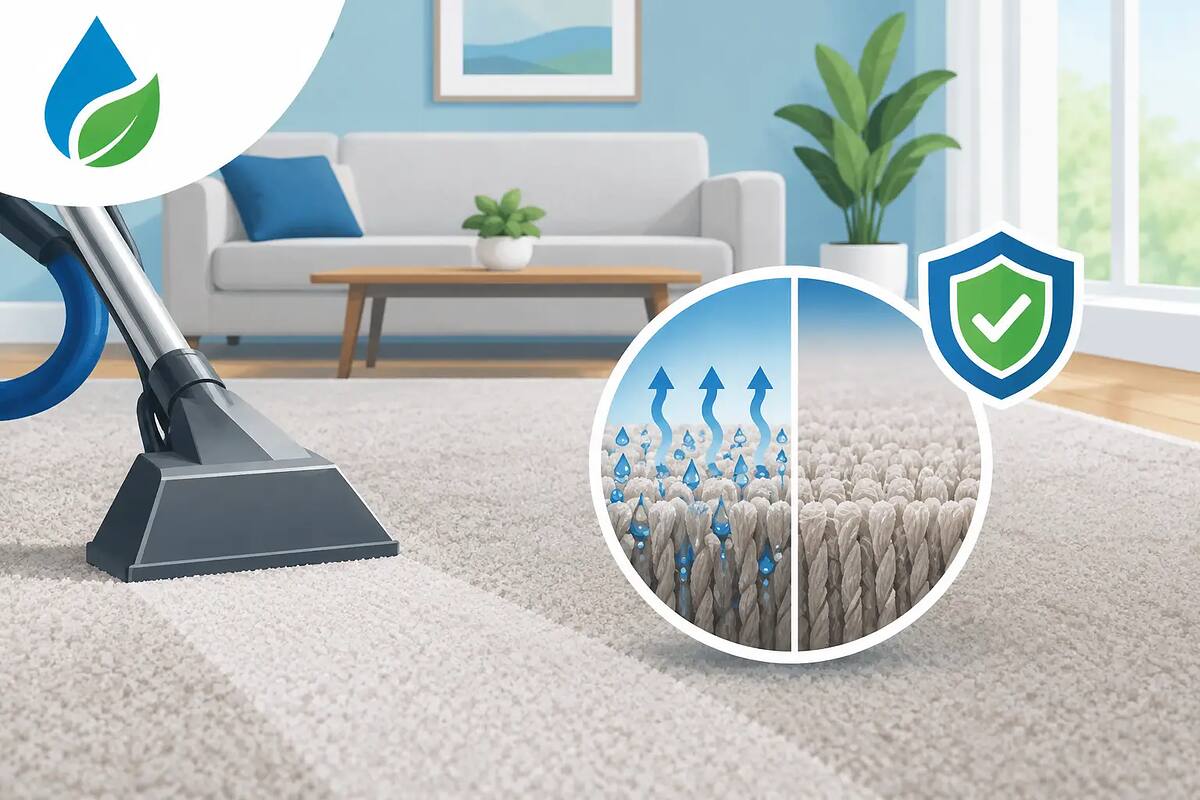
Professional hot-water extraction, commonly called steam cleaning, is one of the most effective options for carpets carrying embedded soil and allergen build-up. The process uses controlled cleaning solution and hot water to loosen contamination, then powerful extraction equipment recovers it from the carpet.
The recovery stage matters. A light domestic machine may wet the carpet but lack the suction needed to remove enough moisture and suspended soil. Proper commercial-grade equipment removes far more of the cleaning solution and residue, helping carpets dry faster and reducing the risk of a damp, musty result.
For allergy control, ask for a treatment suited to your carpet type and condition. The goal is thorough soil removal with minimal residue, not an overly perfumed finish. Strong fragrances may be unpleasant for people with asthma, sensitivities or young children, even when the carpet itself is clean.
Low-moisture cleaning where drying time is critical
Low-moisture methods can be useful in offices, retail spaces, apartments and homes where the room needs to be back in use quickly. Depending on the carpet and soil level, this may involve encapsulation cleaning or a specialist low-moisture process that captures and removes dirt without soaking the carpet.
The trade-off is that low-moisture cleaning is not always the best choice for a carpet with heavy pet contamination, deep staining, water damage or a long history of ground-in grime. In those cases, hot-water extraction with strong recovery is generally the more thorough option. A reliable cleaner should explain which method is appropriate rather than applying the same process to every job.
Pet odour and dander treatment
Pet hair is easy to see. Pet dander, skin flakes and the residues that cause lingering odours are not. If there has been urine contamination, treating the visible mark alone is rarely enough. Moisture can travel into the backing, underlay and sometimes the subfloor, leaving an odour that returns in humid weather.
A proper pet treatment identifies the affected area and uses products designed to break down the source of the odour before extraction. It may require more than one step, particularly where older accidents have been hidden by furniture or repeatedly treated with supermarket sprays.
Avoid saturating a carpet with deodoriser to cover the smell. It can leave residue, make the carpet harder to rinse and offer no real solution to the underlying contamination.
Allergen sprays and carpet sanitisers
Allergen-reducing sprays can have a place as a short-term support measure, but they should not be treated as a substitute for removal. A spray may help bind certain allergens or address odours, yet the particles are still in the carpet until they are vacuumed or extracted out.
Sanitising treatments are also useful in the right situation, such as after illness, pet contamination or an unpleasant odour issue. They are not a cure for dust mite allergy, and they cannot fix a carpet that is wet underneath. Use these treatments as part of a cleaning plan, not as the whole plan.
Treatments to Be Careful With
Some common carpet fixes can make an allergy-sensitive home less comfortable. Powders and heavily fragranced deodorisers can leave fine residue in the pile, particularly if they are not completely removed. Scent is not proof of cleanliness.
Over-wetting is another problem. Hiring a machine and using too much water or detergent can leave carpet damp for too long. This may create stale smells, attract fresh soil and, in poorly ventilated areas, increase the chance of moisture-related issues.
Bleach, harsh household chemicals and untested stain removers should also be approached carefully. They can damage wool, alter carpet colour and leave chemical residue behind. For a stubborn stain, it is safer to identify the fibre and stain type before treatment.
A Practical Cleaning Schedule for Allergy-Sensitive Homes
A manageable routine is more useful than an occasional cleaning blitz. Vacuum frequently used carpet two or three times a week with HEPA filtration, and use entrance mats to reduce the dirt and pollen brought in from outside. Shoes off indoors can also make a noticeable difference, especially after beach walks or wet weather.
Arrange professional carpet cleaning every 6 to 12 months for most homes. Homes with pets, young children, a smoker, frequent entertaining or family members with strong allergy symptoms may benefit from more regular cleaning. Bedrooms and lounge areas are usually the first places to prioritise.
After a professional clean, keep windows open where weather allows, run ceiling fans or air conditioning appropriately and avoid replacing furniture until the carpet is dry. Fast drying is not just convenient. It helps keep the carpet fresh and ready to use sooner.
When to Call a Professional
It is time to arrange specialist help when a carpet smells musty, allergy symptoms seem worse in a particular room, pet odours return after DIY cleaning, or the carpet has been wet for more than a short period. These signs can point to contamination below the visible surface.
Material-specific cleaning is especially worthwhile for wool carpets, delicate rugs, expensive furnishing fabrics and marine interiors, where the wrong product or excess moisture can do lasting damage. Pro Wet & Dry uses specialised equipment and appropriate methods to remove embedded soil, manage odours and achieve fast drying times across Northern Beaches homes and businesses.
The most useful treatment is the one that removes the actual source of irritation without creating fresh residue or moisture problems. Start with consistent vacuuming, deal with spills and pet accidents properly, and have deep cleaning carried out before the carpet becomes a hidden store of dust and odours.
Bedding Sanitation
Need a hand with this?
Mattress and bedding sanitisation that removes dust, dead skin and allergens. Pro Wet & Dry has been cleaning on the Northern Beaches since 2001.
Or call 1300 132 273