Tips & guides
Best Solutions for Coffee Spills That Work
Find the best solutions for coffee spills on carpet, lounges and upholstery, from fast first aid to professional stain treatment that protects fibres.
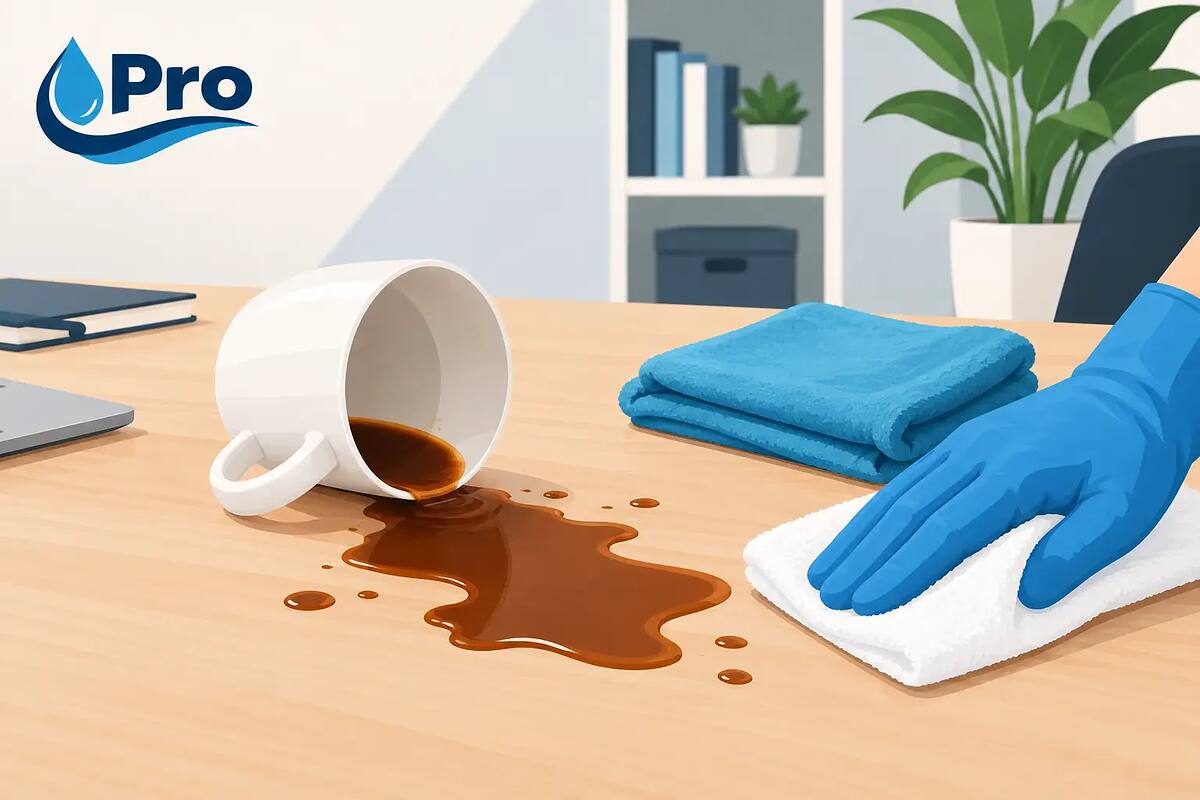
A morning coffee can turn into a carpet or lounge problem in seconds. The best solutions for coffee spills are usually simple at first: act quickly, remove moisture without spreading it, and use a method that suits the material beneath the stain. The wrong approach can set the mark, leave a water ring or push coffee deeper into the fibres.
Coffee is not just coloured water. Black coffee contains tannins that can leave a brown or yellowish stain, while milk, cream, sugar and flavoured syrups add oils and sticky residue. On carpet and upholstery, that residue can attract more soil long after the visible spill seems to have disappeared.
What to Do in the First Few Minutes
Speed helps, but scrubbing does not. Start by placing a clean white towel or plain paper towel over the spill and pressing down firmly. Lift, move to a dry section and repeat until the towel is no longer picking up much moisture. Work from the outside of the spill towards the centre so the coffee does not spread.
Avoid coloured cloths, printed paper towels and anything that could transfer dye. A white absorbent towel lets you see how much coffee is coming out and reduces the risk of adding another stain to the job.
Use a small amount of clean water
Once you have blotted up the excess, lightly dampen a clean cloth with cool water and dab the affected area. This helps dilute what remains without flooding the carpet backing, lounge cushion or underlay. Follow immediately with a dry towel to draw out the moisture.
The key is controlled moisture. Saturating a carpet can cause wicking, where coffee residue below the surface travels back up as the area dries. Over-wetting upholstery can leave water marks, affect cushion fillings and extend drying time.
Keep the heat away
Do not use hot water, a hairdryer or a steam cleaner as a first response. Heat can make tannin stains more difficult to remove and may affect delicate upholstery fabrics. Let the area air dry after blotting, with good ventilation where possible.
Best Solutions for Coffee Spills on Carpet
For a fresh coffee spill on synthetic carpet, careful blotting followed by a small amount of a suitable carpet spot cleaner can be effective. Always check the product label and test it first in an inconspicuous area, such as inside a cupboard or behind furniture. Different fibres, dyes and carpet constructions react differently.
Apply the cleaner to a cloth rather than pouring it directly onto the carpet. Dab gently, then blot with a separate dry towel. If the stain lightens, repeat in small stages rather than adding more product. Excess cleaning solution is a common reason stains return or the area becomes sticky underfoot.
Wool carpet needs more caution. Wool is a natural fibre and can be damaged by alkaline cleaners, strong stain removers and excessive rubbing. If coffee has landed on wool, a pale or patterned carpet, or a high-value rug, blot the spill and arrange professional treatment rather than experimenting with household products.
Why coffee stains sometimes come back
A carpet can look clean while it is wet, then reveal a brown ring once dry. This is often caused by residue left in the fibres or backing. Coffee that has reached the underlay may also wick back to the surface during drying.
Professional extraction equipment removes far more moisture and dissolved residue than towel blotting alone. Used with a material-specific cleaning solution, it can flush the affected area while recovering the coffee, cleaning agent and excess water. That gives the stain a better chance of staying gone rather than reappearing the next day.
Coffee on Lounges, Dining Chairs and Fabric Furnishings
Upholstery presents a different challenge because the surface fabric is often attached to foam, wadding and timber framing. A spill on a lounge cushion can spread downwards quickly, particularly if someone sits on it before it is treated.
Blot the fabric surface straight away, but do not remove cushion covers unless the manufacturer’s instructions clearly allow it. Covers can shrink, lose shape or fade when washed separately. Likewise, avoid soaking the cushion with water or stain remover in an attempt to reach the coffee below the surface.
Microfibre, linen, velvet, cotton blends and synthetic upholstery all need different handling. Some fabrics can develop water rings, texture changes or colour loss with the wrong cleaner. Leather requires a separate approach again, as coffee can leave residue in the grain or damage the finish if harsh products are used.
For expensive lounges, upholstered dining chairs, fabric bedheads and commercial seating, early professional cleaning is often the safer choice. A technician can identify the fibre type, select an appropriate treatment and use controlled extraction to remove the spill while protecting the fabric and filling.
What Not to Put on a Coffee Stain
There is no shortage of home remedies, but several can create more work than the original spill. Be careful with the following:
- Dishwashing liquid can leave a sticky residue if it is not fully rinsed and extracted.
- Vinegar may affect dyes, finishes or natural fibres, and its smell can linger in poorly dried upholstery.
- Bicarbonate of soda can form a crust in carpet fibres and is difficult to remove once damp.
- Hydrogen peroxide and bleach-based products can lighten carpet colour, damage wool and leave obvious patches.
- Heavy scrubbing can fray fibres, flatten carpet pile and force the coffee deeper into the fabric.
A product that works on a white cotton shirt is not automatically safe for a wool carpet or a velvet lounge. This is where material-specific cleaning makes a real difference.
When a Coffee Spill Needs Professional Stain Removal
Call for help if the coffee has dried, contains milk or syrup, has soaked through to the underlay or cushion filling, or has left a visible brown shadow after your initial blotting. It is also worth arranging professional treatment when the spill is on wool, silk, viscose, leather, antique furnishings or commercial carpet where presentation matters.
In offices, cafés, waiting rooms and holiday properties, a small stain can make an otherwise clean space look neglected. Fast-drying professional cleaning helps reduce disruption, particularly when furniture or carpet needs to be back in use quickly. For boats and marine upholstery, controlled moisture is especially important, as lingering dampness can contribute to musty odours in enclosed spaces.
Pro Wet & Dry uses specialised equipment and cleaning methods chosen for the surface being treated, from carpet and fabric lounges to leather furnishings. The aim is not simply to fade the visible mark, but to remove the coffee residue that can cause staining, odour or rapid resoiling later.
A Better Way to Prevent the Next Spill Becoming a Stain
Keep a stack of clean white towels handy where coffee is most likely to travel - near the lounge, home office or meeting room. If you regularly drink coffee on upholstered furniture, use a stable side table and a cup with a secure lid. For busy households, stain protection on suitable fabric furnishings can also make future spills easier to blot before they bond with the fibres.
If a coffee stain has already dried, resist the urge to keep adding products. A clean, professionally treated surface is easier to restore than one carrying layers of detergent, vinegar and excess moisture. Acting early gives you the best chance of getting your carpet or upholstery looking like new again.
Stain Removal
Need a hand with this?
Red wine, coffee, food, ink and more. Specialised products and equipment for tough stains. Pro Wet & Dry has been cleaning on the Northern Beaches since 2001.
Or call 1300 132 273