Tips & guides
Best Fabric Lounge Refresh Methods That Work
Learn the best fabric lounge refresh methods for removing grime, stains and odours, plus when professional upholstery cleaning is the safer choice at home.
A fabric lounge can look tired long before it is ready to be replaced. The usual signs are dull armrests, darkened head cushions, pet hair, a lingering smell or that slightly gritty feel caused by dust and everyday use. The best fabric lounge refresh methods deal with more than the surface. They remove the soil, oils and odours sitting down in the fibres without leaving the lounge over-wet, patchy or damaged.
For many Northern Beaches homes, the right approach depends on the fabric, the type of soiling and how quickly the lounge needs to be back in use. A light refresh can be handled as part of regular home care. Deep staining, pet accidents and ingrained grime need a more careful method.
Best fabric lounge refresh methods for everyday care
Start with a slow, thorough vacuum
Vacuuming is the simplest and most useful place to start, particularly around cushion seams, under removable cushions and along the edges of the frame. Use an upholstery attachment and work slowly enough for it to lift dry dust, crumbs, hair and loose grit rather than simply passing over the top.
This matters because dry soil acts like fine sandpaper. Every time someone sits down, particles are worked further into the weave, making high-use areas look flat and dirty. A weekly vacuum is worthwhile for busy family lounges, homes with pets and commercial waiting areas. For less-used furniture, every few weeks is generally enough.
If the cushions are reversible, turn and rotate them as you vacuum. It spreads wear more evenly and stops one seat position becoming noticeably darker or softer than the rest.
Deal with spills immediately, but do not scrub
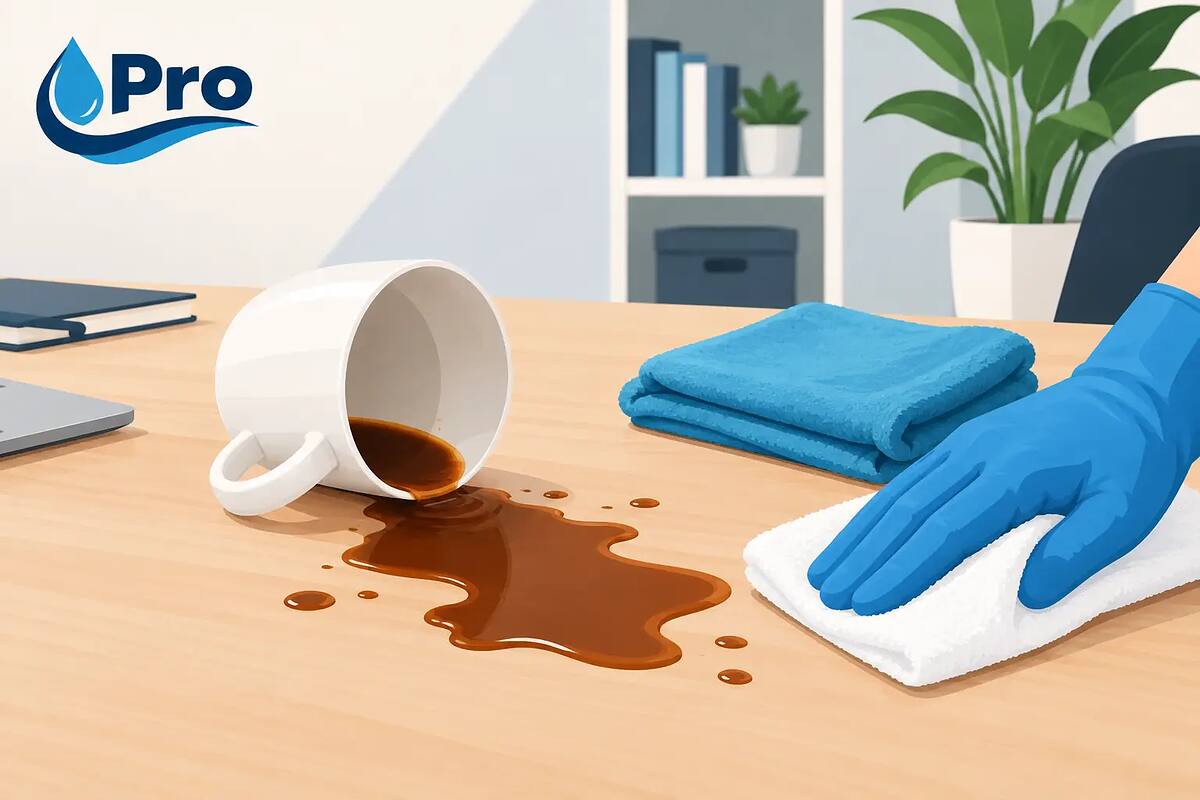
Fresh spills are much easier to remove than old ones. Blot the area with a clean white cloth or plain paper towel, working from the outside edge towards the centre. Keep changing to a dry section of cloth so you are lifting moisture rather than pressing it back into the fabric.
Scrubbing is where a manageable spill often becomes a visible problem. It pushes liquid deeper, spreads the stain and can rough up delicate fibres. Red wine, coffee, soft drink, grease and makeup all respond differently, so there is no single household cleaner that is safe for every lounge fabric.
Before applying anything, check the care label. Many lounges have a cleaning code under a cushion or on the manufacturer tag. As a general guide, W means water-based cleaning may be suitable, S calls for solvent-based products, WS can tolerate either method, and X should only be vacuumed or professionally cleaned. If the label is missing, test any product in a hidden area first and allow it to dry completely before treating the visible spot.
Use minimal moisture for light marks
For a fabric marked W or WS, a small amount of upholstery-specific cleaner can help with a light surface mark. Apply the product to a cloth, not directly onto the lounge, then blot gently. Follow with a separate clean damp cloth to remove residue, taking care not to saturate the padding.
More product does not mean a better result. Leftover detergent can attract fresh dust and create a stiff or tacky patch. Too much water can also cause brown water marks, shrinkage, colour bleed or a musty smell if the filling does not dry properly.
Open windows where practical, run fans and avoid sitting on the lounge until it is fully dry. In humid weather, drying can take longer than expected, especially with thick cushions or a lounge positioned against a wall.
Treat odours at the source, not the surface
A fabric lounge can smell clean for an hour after a deodoriser, then the odour returns as soon as the room warms up. That is because most persistent smells come from material trapped below the surface: pet urine, body oils, food spills, moisture in foam or years of dust and airborne contaminants.
For a mild stale smell, vacuuming thoroughly and airing the room may be enough. Baking soda is often suggested, but it can leave powder deep in the fabric and does little for an odour source in the cushion filling. It is not a reliable solution for pet urine or old liquid spills.
Pet accidents need an enzyme-based treatment designed to break down the organic residue. The treatment has to reach the same depth as the accident, which is difficult if urine has soaked through the fabric and into the foam. Applying too much liquid from above may worsen the problem by spreading it further.
If an odour returns after home treatment, or becomes stronger during damp weather, professional upholstery cleaning is usually the sensible next step. A proper assessment can identify whether the issue is limited to the cover or sitting inside the cushioning and base fabric.
When deep cleaning gives the best result
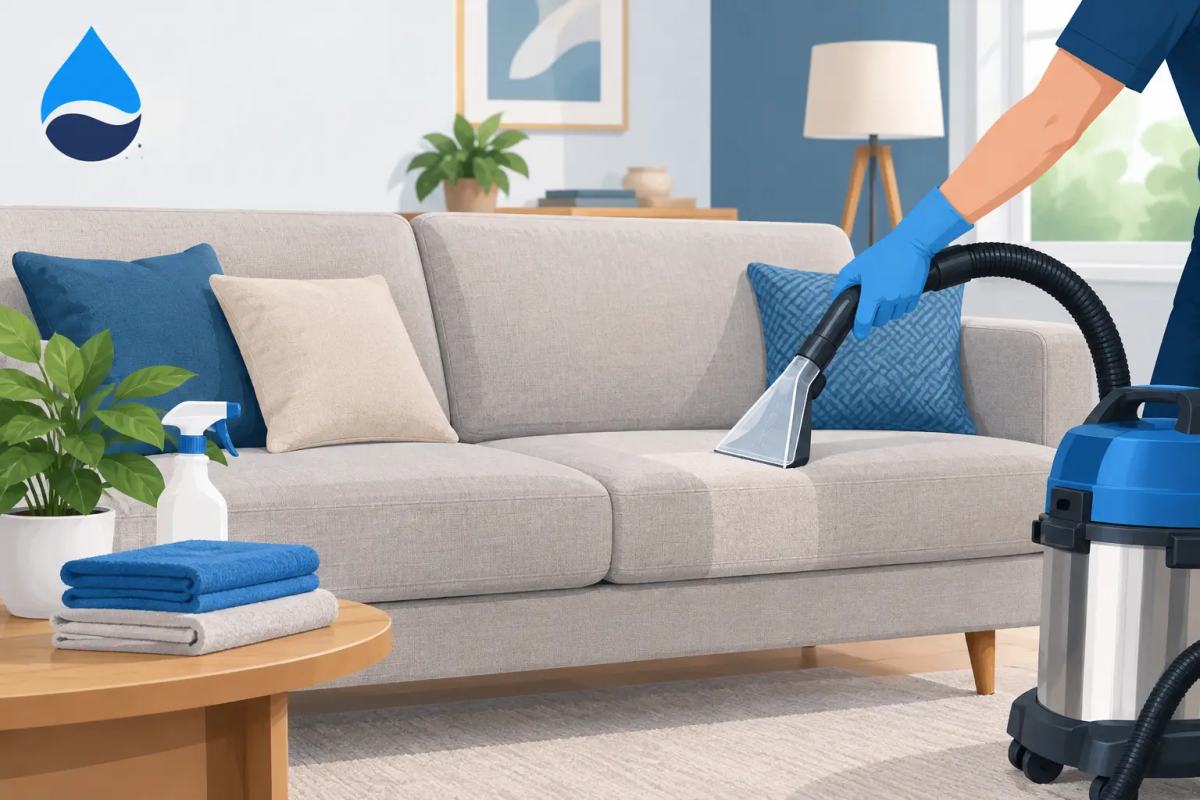
The most effective deep refresh for many synthetic and durable fabric lounges is professional hot water extraction. This is not simply soaking the lounge. A trained technician applies a suitable cleaning solution, agitates where needed and uses specialised extraction equipment to lift suspended soil, residues and moisture back out.
The recovery stage is what separates a proper upholstery clean from a basic wet clean. Good extraction helps remove the grime causing the dull appearance while reducing drying time. It is particularly useful for traffic marks on arms and headrests, general grey discolouration, food spills and accumulated body oils.
That said, hot water extraction is not right for every fabric. Cotton, linen, viscose, loose weaves, some velvet finishes and certain natural blends may require low-moisture, solvent or other material-specific methods. Using the wrong process can leave rings, distort the pile or cause permanent texture changes.
This is why fabric identification matters. A lounge that looks like ordinary upholstery may have a mixed fibre construction, delicate backing or unstable dyes. The safest method is based on the material and condition, not a one-size-fits-all machine setting.
Avoid the shortcuts that create bigger problems
Hiring a machine intended for carpet and using it on a lounge can be risky. Upholstery requires controlled pressure, the right hand tool and a much lower moisture load than broad carpet cleaning. Thick lounge cushions can hold water for days if they are over-wet, creating an ideal environment for odours and mould.
Steam from a handheld appliance is another common shortcut. High heat can set protein-based stains, affect glues and fillings, or alter the texture of heat-sensitive synthetic fibres. Strong supermarket stain products can also bleach colour, leave a tide mark or react with products already used on the fabric.
Be cautious with online stain tips that recommend dishwashing liquid, vinegar, laundry powder or peroxide. They may work on one fabric and ruin another. Even when the stain fades, detergent residue often leaves a larger dull patch over time.
A practical maintenance routine for a cleaner lounge
A fabric lounge stays presentable for longer when cleaning is handled before soil becomes embedded. Vacuum it regularly, rotate cushions, blot spills promptly and keep food and drinks away from pale or delicate upholstery where possible. A washable throw can be useful in the favourite pet spot or on the seat that gets the most use.
Most households benefit from a professional lounge clean every 12 to 18 months. Homes with young children, pets, allergy concerns or heavy daily use may need it more often. Rental properties, offices, hospitality seating and marine interiors also benefit from planned maintenance because appearance and hygiene are part of keeping the space ready for use.
For stubborn stains, recurring odours or a lounge that simply looks dull despite your best efforts, Pro Wet & Dry can assess the fabric and use the right material-specific treatment rather than taking chances with a generic clean. The aim is straightforward: lift the built-up soil, improve hygiene and get your lounge dry and usable as quickly as possible.
A well-maintained fabric lounge should feel comfortable to sit on, smell fresh and look cared for - not perfect in an unrealistic showroom sense, but clean enough that you enjoy using it again.
Upholstery Cleaning
Need a hand with this?
Lounge, sofa and chair cleaning for fabric and leather, at home or in commercial spaces. Pro Wet & Dry has been cleaning on the Northern Beaches since 2001.
Or call 1300 132 273