Tips & guides
Fabric Protection Treatment Buying Guide for Homes
Use this fabric protection treatment buying guide to choose the protection for sofas, carpets and upholstery, with practical advice for lasting results.
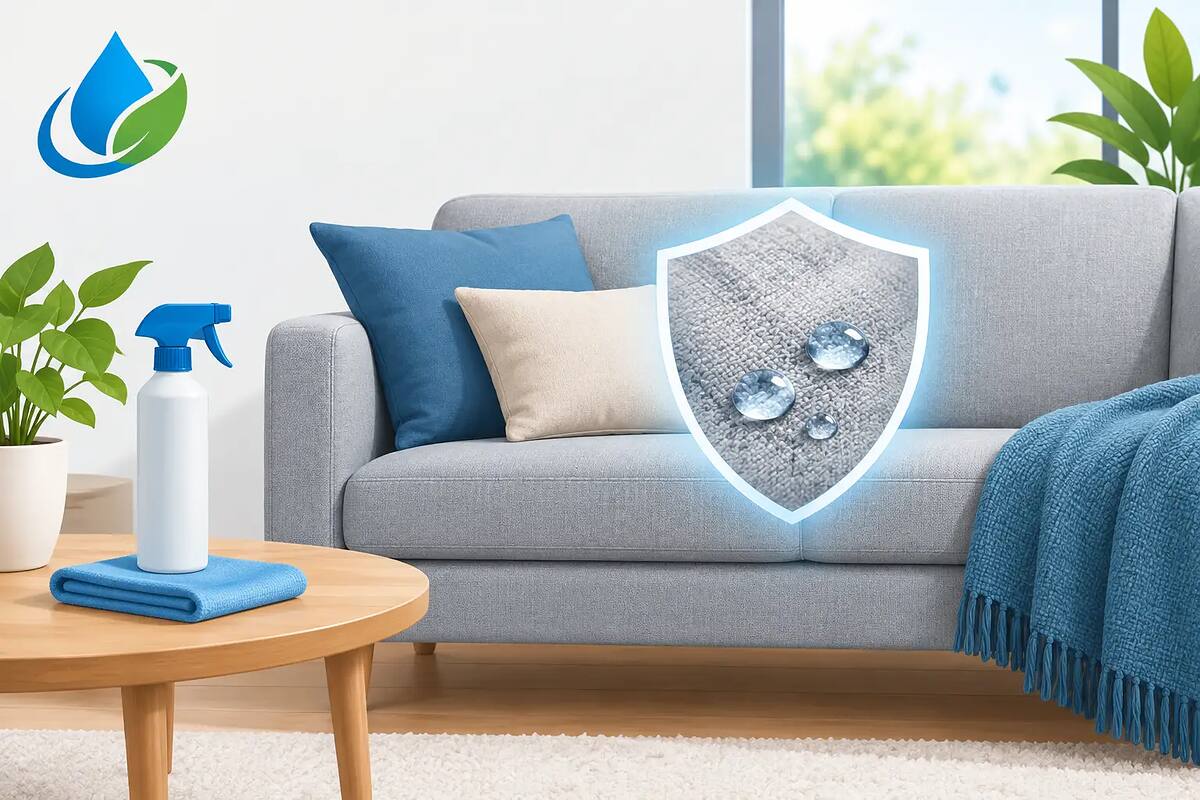
A new lounge can look tired far sooner than it should after a few takeaway dinners, wet swimmers, muddy paws or a red-wine spill. This fabric protection treatment buying guide explains what you are actually buying, where it works best and when professional application is worth the extra cost.
Fabric protection is not a force field. It will not make upholstery, carpet or dining chairs permanently stain-proof. A quality treatment creates a protective barrier around fibres so liquid spills stay closer to the surface for longer. That gives you time to blot the spill before it wicks in, while also helping reduce the build-up of everyday soil.
What Fabric Protection Treatment Does
Most fabric protectors work by changing the surface tension of individual fibres. Instead of soaking straight into the material, water-based spills tend to bead on the surface. Dry soil is also less likely to grip tightly to treated fibres, making regular vacuuming and professional cleaning more effective.
The practical benefit is time. If coffee lands on a protected sofa and is blotted promptly with a clean white cloth, it is far less likely to leave a mark than if it is allowed to dry. On carpet, protection can make a noticeable difference around dining tables, hallways and family-room seating where minor spills and tracked-in grime are common.
Protection also helps preserve appearance between cleans. It does not stop normal wear, fading, crushing or abrasion, but it can slow the dulling effect of oily soil and repeated small spills.
Fabric Protection Treatment Buying Guide: Start With the Material
The best treatment depends on the fabric, not simply the item. Before choosing a product or booking an application, identify the fibre type and check the manufacturer care label. If the label is missing, a cleaning technician can usually assess the material during inspection.
Synthetic fabrics such as polyester, olefin and many microfibre upholstery fabrics often respond well to suitable protectors. They are common in family sofas and commercial seating, and protection can improve cleanability in high-use areas.
Natural fibres need more care. Cotton, linen, viscose and rayon can be absorbent and prone to water marks, colour movement or texture changes if the wrong product is applied. Wool carpet is particularly valuable and requires a wool-safe treatment selected for its pH and fibre compatibility. A general-purpose spray bought off the shelf is not automatically suitable just because it says it works on “fabric”.
Silk, antique textiles, delicate velvet, some hand-dyed fabrics and fabrics with specialist finishes need a cautious approach. In some cases, protection is not recommended at all. The right outcome is protecting the item from damage, not applying a treatment at any cost.
Leather is different again. It requires leather-specific cleaning and conditioning products rather than fabric protector. Using a fabric treatment on leather can affect its finish and should be avoided.
Choose the Right Type of Protection
When comparing treatments, look past marketing claims such as “maximum defence” or “stain guard”. Ask what the product is designed to repel, whether it is suitable for your exact fabric and how it will be applied.
A treatment may be designed mainly for water-based spills, while another may offer better resistance to oil-based soil. Homes with children, pets and frequent entertaining generally benefit from broader soil and spill resistance. For a lightly used guest room, a simple treatment may be enough.
Water-based, low-odour products are often a sensible choice for indoor homes and workplaces, provided they are appropriate for the material. The product should be applied at the correct coverage rate, not lightly misted over the surface. Too little product can leave uneven protection. Too much can create residue, alter the feel of the fabric or lead to longer drying times.
Do not assume outdoor and marine fabrics need the same treatment as indoor upholstery. Boat cushions, canvas and exterior furnishings face salt air, UV exposure, moisture and mildew risk. They may require a purpose-made treatment that is compatible with the fabric’s existing waterproofing or UV finish.
Clean First, Then Protect
A fabric protector should be applied to a properly cleaned surface. Spraying protection over embedded dirt, body oils, pet residue or old spill marks can lock in the problem and reduce the treatment’s performance.
For carpet and upholstery, professional hot-water extraction is often the most effective preparation because it removes soil from below the surface while recovering moisture and contaminants. The best cleaning method still depends on the material. Some delicate fabrics require low-moisture cleaning or another controlled method to avoid shrinkage, colour bleed and overwetting.
Once the item is clean, the fabric needs to be dry enough for treatment and then allowed to cure as directed. Cure times vary with the product, airflow, humidity and fabric type. Plan the job so the lounge, carpeted room or commercial seating area can remain clear until it is ready for use.
This is one reason professional application can be particularly useful after a full carpet or upholstery clean. The technician can check for existing stains, use the appropriate cleaning process, apply compatible protection evenly and explain realistic drying and cure times.
When DIY Protection Makes Sense
A DIY protector can suit a small, inexpensive item in good condition, such as a dining chair or occasional cushion, if the care label allows it. Use only a product clearly approved for the fibre, test it in a hidden area and follow the instructions precisely.
Ventilate the room, protect nearby timber and painted surfaces from overspray, and avoid soaking the fabric. A patch test should confirm there is no colour change, stiffening, tide mark or change in pile direction before treating the entire item.
DIY is less appealing for large lounges, wool carpet, pale upholstery, expensive furnishings, commercial spaces and anything with existing staining. The cost of correcting an unsuitable application can exceed the cost of getting it done properly in the first place.
Questions to Ask Before You Buy
A good provider should be able to explain the treatment in plain language. Ask whether it is suitable for your fabric, whether the item needs cleaning first, what types of spills it helps resist and how long you should keep children, pets and furniture use away while it dries.
Also ask what the treatment will not do. Honest advice matters here. No protector guarantees that turmeric, ink, sunscreen, pet accidents, oil, dye transfer or a spill left overnight will come out completely. Some contaminants can stain or damage fibres even when a protector is present.
For rental properties and commercial premises, ask how the work will be scheduled to minimise disruption. Fast drying and efficient recovery equipment can make a real difference when rooms, offices, hospitality seating or common areas need to be back in use promptly.
Make the Treatment Last
Protection wears down gradually through foot traffic, vacuuming, abrasion, cleaning and everyday use. High-traffic carpet areas and the front edges of sofas tend to need attention sooner than rarely used rooms.
Keep up regular vacuuming, deal with spills immediately and avoid rubbing. Blot from the outside of a spill towards the centre using a clean absorbent cloth. Do not reach for dishwashing liquid, bleach or supermarket spotters without checking the fabric first. The wrong chemical can set a stain, strip protection or leave a residue that attracts more dirt.
Reapplication is commonly considered after professional cleaning or when water no longer beads on the surface. The exact timing depends on traffic, pets, children, fabric type and how the area is used. A busy family lounge or reception area may need a maintenance plan, while a low-use bedroom can hold protection much longer.
For Northern Beaches homes dealing with sand, pets and regular entertaining, treatment is most useful as part of a sensible cleaning routine rather than a once-only fix. Pro Wet & Dry can assess the material, clean it using the right method and apply suitable protection so your carpet or upholstery stays easier to manage between professional cleans.
The best buying decision is simple: choose a treatment that matches the fabric, have it applied to a clean surface and treat every spill quickly. That approach gives valuable furnishings their best chance of looking good for longer.
Upholstery Cleaning
Need a hand with this?
Lounge, sofa and chair cleaning for fabric and leather, at home or in commercial spaces. Pro Wet & Dry has been cleaning on the Northern Beaches since 2001.
Or call 1300 132 273