Tips & guides
Mouldy Upholstery Treatment That Gets Results
Mouldy upholstery treatment removes surface growth, musty odours and moisture safely, helping protect lounges, chairs and indoor air quality at home today
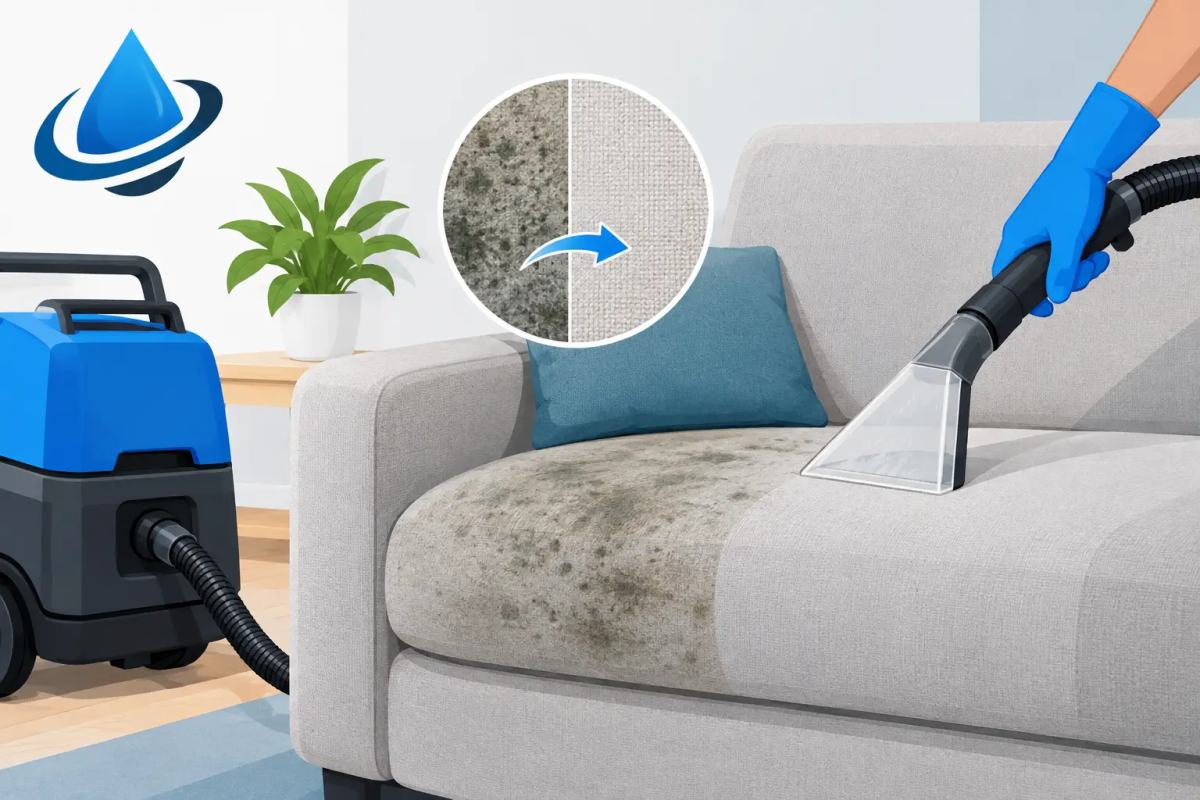
A lounge can look perfectly fine until you sit down and catch that damp, earthy smell. By then, mould may already be established beneath cushions, in the backing fabric or through the foam. Proper mouldy upholstery treatment is not just about improving the appearance of a sofa or armchair. It is about removing contamination carefully, drying the furnishing thoroughly and fixing the moisture issue that allowed mould to grow in the first place.
Mould is common after water damage, a leaking window, high indoor humidity, damp storage or a poorly ventilated room. On the Northern Beaches, sea air and humid weather can also make fabrics slower to dry, especially in homes that have been closed up for a period. Acting early gives upholstered furniture its best chance of being saved.
Why mould on upholstery needs more than a surface wipe
Upholstery is made up of layers. The visible fabric is only the outermost one. Underneath may be padding, webbing, timber framing, dust barriers and foam, all of which can retain moisture and absorb odours. A quick wipe might remove visible marks, but it rarely deals with spores and moisture held deeper in the piece.
That is why a mouldy chair can smell worse again a few days after being cleaned. The source has not been fully addressed, or the fabric has been left too damp after treatment. Steam alone is not automatically the answer either. Heat and moisture must be used appropriately for the material and the situation. Delicate natural fibres, older fabrics, leather trims and foam-filled furniture all need a considered approach.
Mould can also aggravate respiratory symptoms for some people. If anyone in the property is sensitive to mould, has asthma or has a weakened immune system, minimise handling and avoid sitting on the affected furniture until it has been assessed and treated.
What a professional mouldy upholstery treatment involves
The right method depends on the type of furniture, the fabric, how widespread the mould is and whether water reached the internal padding. A professional inspection comes first because treating a cotton blend lounge is different from treating a synthetic office chair, velvet occasional chair or marine cushion.
Inspection and moisture assessment
A technician checks the visible affected areas, fabric condition, staining and odour. They also look for the reason the furniture became damp. If a lounge is pushed against a wet wall, has been exposed to a ceiling leak or was soaked during a flood, cleaning it without resolving the underlying problem is likely to produce the same result again.
Moisture checks help determine whether the upholstery is dry enough to treat, needs controlled drying first, or has contamination deep in the foam that makes replacement the more sensible option. This step matters particularly after floodwater or sewage exposure, where health and contamination risks can be much higher.
Controlled removal of loose contamination
Loose mould particles should be removed carefully rather than brushed into the room. Specialist vacuum recovery and containment-minded cleaning methods reduce the chance of spreading material through the home, office or vessel cabin. Throwing cushions outside and giving them a hard shake may feel practical, but it can spread spores onto nearby surfaces and into the air.
Material-specific cleaning and treatment
The fabric is then treated with suitable cleaning and antimicrobial products selected for the upholstery type. The goal is to remove soiling, mould-related staining and odour-causing residue without overwetting or damaging the textile.
For many fabric lounges and chairs, professional hot-water extraction can be effective when it is carefully controlled and paired with powerful recovery equipment. It flushes out contamination while extracting the dirty solution quickly. In other cases, low-moisture cleaning, targeted spot treatment or hand cleaning is safer. The best method is the one that protects the fabric while getting the job done properly, not simply the strongest method available.
Fast, complete drying
Drying is where many mould treatments succeed or fail. Industrial air movement and extraction equipment can help upholstery dry far faster than household methods. Cushions may need to be separated, stood on edge or treated individually so air can reach all sides.
Furniture should not be put back against an external wall or used heavily until it is fully dry. A clean lounge that remains damp is still at risk of developing a musty smell or new mould growth.
What to do as soon as you find mould
Avoid soaking the upholstery, applying household bleach or covering it with a throw rug. Bleach can discolour fabric, weaken fibres and leave excess moisture behind. Strong fragrances may mask the smell briefly but do not remove the cause.
Until professional help is arranged, sensible first steps are to:
- keep children, pets and sensitive household members away from the affected furniture;
- open windows where weather permits and improve airflow in the room;
- remove nearby damp items, such as wet rugs, cushions or stored boxes;
- photograph the damage if it may relate to a leak, insurance claim or tenancy matter; and
- turn on air conditioning or a dehumidifier if available, provided it is safe to do so.
Do not drag a wet or mouldy sofa across carpet. This can transfer moisture and contamination into the flooring, creating a larger cleaning and drying job.
Can mouldy upholstery always be saved?
Not always. Surface mould on a chair or lounge that was caught early can often be professionally treated with a good outcome. The chance of restoration is stronger when the item has not been wet for long, the fabric is structurally sound and the internal foam has dried or can be dried effectively.
Replacement may be the safer choice where mould has penetrated deeply through foam and internal linings, where floodwater has contaminated the furniture, or where the piece remains strongly odorous after appropriate treatment. Cheap flat-pack furniture with exposed particleboard frames can be especially difficult to restore after soaking because the timber components swell and break down.
For landlords, property managers and tenants, an assessment provides useful clarity before money is spent on cleaning or replacement. It also creates a clearer record of the furniture condition and the likely cause of the damage.
Preventing mould from returning to lounges and chairs
The most reliable mould prevention is moisture control. Repair leaks promptly, ventilate bathrooms and laundry areas, and do not dry clothes indoors in closed rooms where possible. If condensation collects on windows each morning, the property may need better ventilation or dehumidification.
Give large lounges a little breathing room from cold external walls, particularly during wet weather. Check under removable cushions every few weeks in rooms that are rarely used, holiday properties and boats. Marine upholstery needs particular attention because enclosed cabins can hold moisture long after a wet weekend.
After any carpet cleaning, upholstery cleaning or water incident, make drying a priority. Use fans, airflow and ventilation as directed, and report lingering damp smells early. A musty odour is often the first warning that moisture is still present where it should not be.
When to call for specialist help
Arrange professional assessment promptly if mould covers more than a small patch, returns after you have dried the room, follows a leak or flood, or is accompanied by a persistent odour. The same applies if the affected item is valuable, antique, leather-trimmed or made from a delicate fabric. Trial-and-error products can make restoration harder and may set stains or damage the pile.
For homes, rental properties, offices and vessels, Pro Wet & Dry can assess affected fabric furnishings and apply appropriate cleaning, extraction and drying methods. The focus is on restoring what can be safely restored, without pretending that every heavily contaminated item should be kept.
A mouldy lounge is rarely just a cleaning issue. Deal with the damp source, treat the furniture properly and make sure it is genuinely dry before moving on. That gives your upholstery the best chance of looking fresh, smelling clean and being ready to use again.
Flood Recovery
Need a hand with this?
Industrial water extraction and drying after floods, leaks and burst pipes. Pro Wet & Dry has been cleaning on the Northern Beaches since 2001.
Or call 1300 132 273