Tips & guides
Leather Stain Repair That Protects Your Furniture
Leather stain repair calls for the right method, fast action and careful drying. Learn what to do at home and when professional care protects furniture.
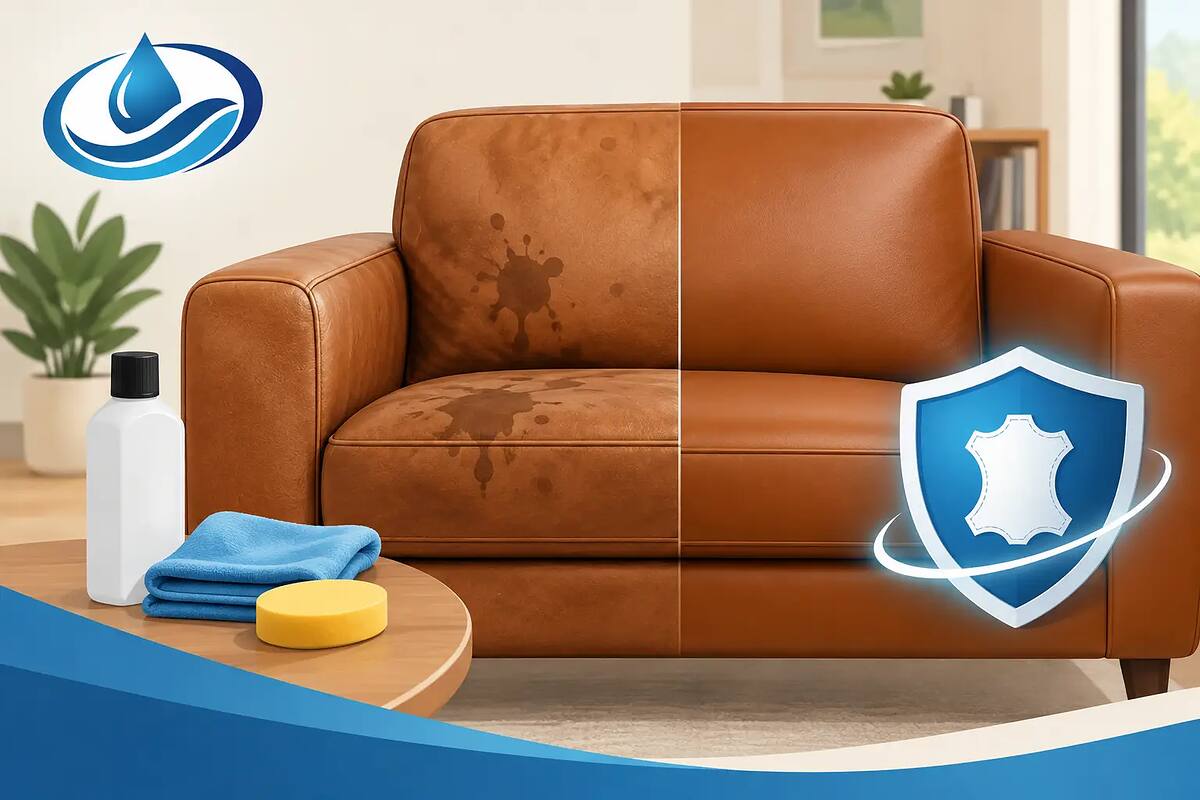
A leather lounge can handle daily life, but it does not respond well to guesswork. Leather stain repair is less about using the strongest cleaner and more about identifying the stain, understanding the finish and treating it without stripping colour or protective coatings. The wrong product can turn a small spill into a faded, stiff or permanently marked patch.
Whether it is a family sofa, an office reception chair or marine upholstery, early action gives you the best chance of a clean result. The key is to contain the problem, avoid spreading it and know when a professional treatment is the safer option.
Why leather stains need a different approach
Leather is not one uniform material. Most household lounges are protected or pigmented leather, with a coloured surface coating that makes everyday cleaning easier. Aniline and semi-aniline leather have a softer, more natural appearance, but their more open finish can absorb moisture, oils and dyes quickly. Suede, nubuck and some vintage leathers need even more caution.
This is why an all-purpose spray, dishwashing liquid or heavy degreaser is a poor bet. A cleaner that removes an oily mark may also remove the finish that gives the leather its even colour and resistance to future spills. Excess water can leave tide marks, and vigorous rubbing can create a shiny spot that looks different from the rest of the panel.
Before any treatment, look for the care label and consider the leather's feel and finish. Smooth, coated leather is generally more forgiving than soft, absorbent leather. If the stain is old, large, dark, or on a highly visible seat cushion, testing a method in a hidden area is essential.
First response: what to do after a spill
The first few minutes matter. Blot a fresh liquid spill with a clean, dry white cloth or paper towel. Work from the outside of the spill towards the centre and lift the moisture rather than wiping across it. Coloured cloths can transfer dye, while rough towels may scuff delicate finishes.
For a thicker spill, such as food, sunscreen or makeup, gently lift away the excess with a plastic card or blunt edge. Do not scrape hard. Once the surface is clear, leave the area to air dry away from heaters, hairdryers and direct sun. Fast, artificial heat can dry leather unevenly and contribute to cracking.
Avoid household remedies that are regularly suggested online, including vinegar, bicarb soda paste, baby wipes, alcohol, nail polish remover and furniture polish. Some may appear to work initially, but they can alter the coating, leave residue or make later leather stain repair much harder.
Match the treatment to the stain
Different marks behave differently. Treating all stains the same is one of the main reasons leather ends up with permanent damage.
Food and drink spills
Tea, coffee, soft drink, wine and food sauces can leave both colour and sticky residue. Once excess liquid has been blotted, a leather-safe cleaner may be suitable for protected leather. Apply it sparingly to a cloth, not directly onto the lounge, and clean with light, controlled passes. Do not soak the seam lines or cushion edges.
Red wine, turmeric, berries and dark sauces are more likely to leave pigment behind. If blotting and a suitable leather cleaner do not improve the mark quickly, stop before the colour spreads or the finish becomes dull. A professional can assess whether the remaining mark sits on the surface or has penetrated the material.
Oil, grease and body oils
Grease stains are common on headrests, armrests and dining chairs. They often develop slowly from hair products, moisturiser, sunscreen and natural skin oils rather than one obvious spill. Over time, the affected areas can become darker, sticky or shiny.
Oil treatment needs controlled cleaning and degreasing that is appropriate for the leather type. Powder-based home remedies can lodge in grain lines and stitching, while harsh solvents may remove colour. Conditioning alone will not fix a build-up of body oil. It may temporarily make the leather feel better, but the discolouration can remain underneath.
Ink, dye transfer and makeup
Ink marks, denim dye transfer and makeup deserve a cautious response. Rubbing them can force pigment deeper into the finish, while alcohol-based products can lift the leather colour along with the stain. This is especially risky on pale leather, white lounges and high-gloss finishes.
A small, fresh mark may respond to a specialist leather cleaner when used gently. Larger marks, set-in ink or dye transfer are better handled by a technician who can clean, colour-correct and protect the surface where needed. A repair that looks good from every angle usually requires more than simply removing the visible mark.
Pet accidents and odours
Pet urine is a two-part issue: the visible stain and the odour-producing residue. Surface wiping may make the leather look cleaner but not deal with contamination that has reached seams, foam or the lining beneath cushions. Using too much liquid can also push the problem further into the furniture.
A suitable treatment needs to neutralise odours safely, clean the affected leather and assess whether the inner cushioning requires attention. This is particularly relevant for lounges where pets regularly sit in the same spot.
When DIY leather stain repair is reasonable
A careful at-home clean can be reasonable when the leather is smooth and protected, the spill is fresh, and the stain is small and clearly on the surface. Use only a product made for your type of leather, follow its directions and test it first in an inconspicuous area.
Keep the job small. Apply minimal product, use a soft white cloth and allow the leather to dry naturally. If the area looks lighter, darker, sticky, overly shiny or rough after cleaning, do not keep going. Repeated attempts can create a larger repair area than the original stain.
Regular maintenance also reduces the chance of permanent marks. Dust and vacuum creases with a soft brush attachment, wipe away fresh spills promptly and keep leather away from prolonged direct sunlight. A suitable conditioner can help maintain flexibility, but it should be used as part of a proper care routine, not as a cure for every stain.
When professional treatment is the better call
Professional help is worthwhile when the stain is old, the cause is unknown or the leather has already been treated with household products. It is also the sensible choice for aniline leather, nubuck, suede, pale or expensive furniture, commercial seating and marine interiors exposed to salt air and sunscreen.
A material-specific service starts with an assessment of the leather type, its finish and the stain itself. The technician can then select safe cleaning agents, controlled extraction or hand-cleaning methods, and colour restoration where cleaning alone will not deliver an even result. The aim is not just to fade the mark. It is to restore a consistent appearance while protecting the leather's surface.
For landlords, property managers and business owners, professional leather care can also make practical sense. Replacing damaged seating is expensive, and presentation matters in rentals, offices, waiting areas and hospitality venues. Treatment can extend the usable life of furnishings while keeping disruption low and drying times manageable.
What a good result looks like
Not every stain can disappear completely. Deep dye transfer, severe ink damage, sun fading and long-term oil saturation may require colour repair, panel refinishing or realistic expectations about what can be achieved. Honest advice is part of getting the job done properly.
A successful result should leave the leather clean, dry, comfortable to use and visually consistent with the surrounding area. It should not feel greasy, brittle or overly glossy, and there should be no harsh chemical smell left behind. Where colour repair is needed, the finish should blend naturally rather than looking like a painted patch.
If a favourite lounge has picked up a stain, act quickly but do not panic-clean it. A careful first response protects your options, and the right leather stain repair can keep quality furniture looking like new again for years to come. For difficult marks or valuable pieces, Pro Wet & Dry can assess the material and provide a practical treatment that protects both the finish and the furniture.
Leather Care
Need a hand with this?
Specialised cleaning and conditioning to restore leather lounges and keep them supple. Pro Wet & Dry has been cleaning on the Northern Beaches since 2001.
Or call 1300 132 273