Tips & guides
How to Disinfect High-Traffic Fabric Furniture
Learn how to disinfect high traffic fabric furniture safely, remove odours and grime, and know when professional upholstery cleaning is the right call.
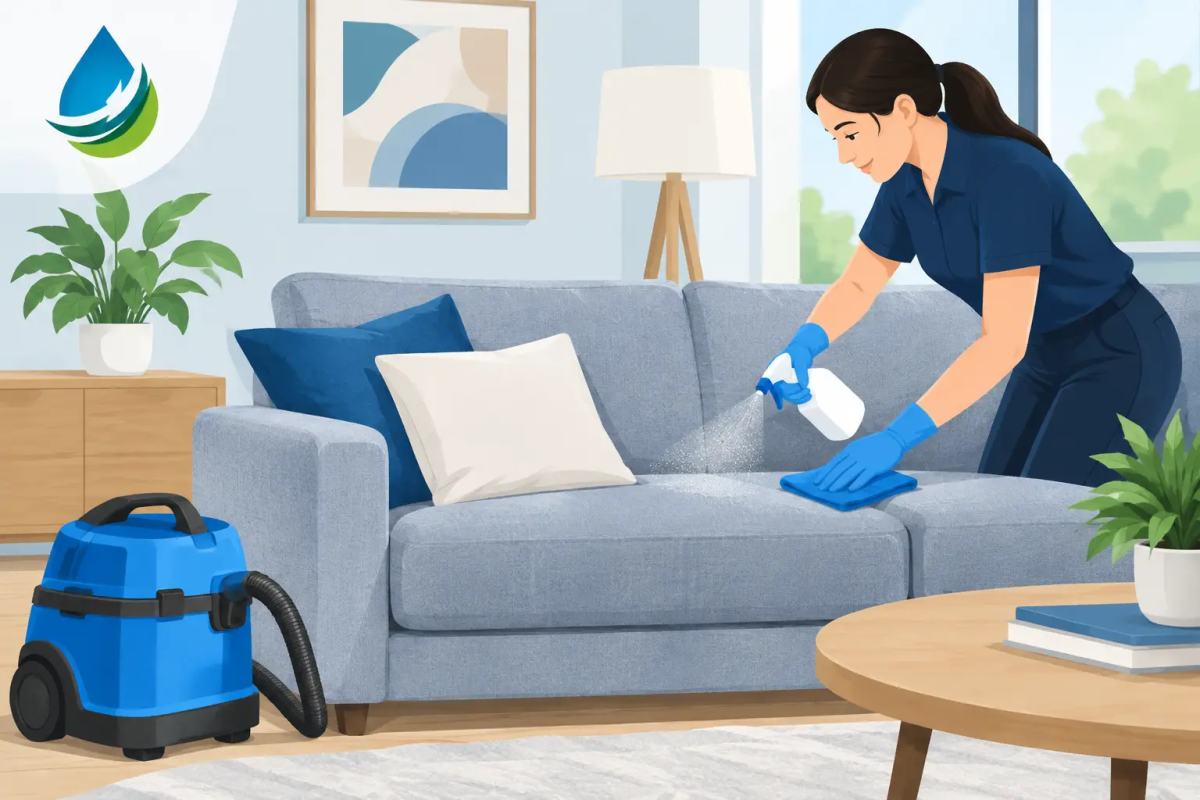
A busy fabric sofa can look fine from across the room while holding weeks of body oils, food residue, pet hair, dust and odours in the fibres. To disinfect high traffic fabric furniture properly, you need more than a quick spray and a wipe. The right method depends on the fabric, the type of contamination and how quickly the furniture needs to be back in use.
This matters in family lounges, rental properties, office reception areas, waiting rooms, cafés, holiday accommodation and boat cabins. These are the places where upholstered seating gets constant use and where a surface refresh rarely reaches the grime embedded below.
Cleaning and disinfecting are not the same job
Cleaning removes visible soil and the residue that makes upholstery look dull, feel sticky or smell stale. Disinfecting is about reducing germs on suitable surfaces with an appropriate product and enough contact time. On fabric furniture, these jobs often need to work together.
A disinfectant applied over dirt, oils or food residue may not contact the fibres effectively. On the other hand, soaking a lounge with too much product can leave it damp, create water marks or lead to a musty smell. The practical approach is to remove dry debris and soil first, then use a fabric-safe sanitising or disinfecting treatment where it is genuinely required.
Be wary of broad claims that every steam cleaner automatically disinfects every sofa. Heat can be highly useful, but results depend on the equipment, temperature at the fabric, moisture level, dwell time and material. Delicate upholstery, glued backing, loose-weave fabric and some natural fibres may not tolerate high heat or heavy moisture.
Start with the fabric, not the product
The fastest way to damage upholstery is to choose a cleaner because it worked on a different lounge. Before treating high-use furniture, check the manufacturer’s care label and identify the fibre where possible. Many pieces use a mix of synthetic fibres, cotton, linen, wool or blends, each with different cleaning limits.
Care labels commonly use these codes: W for water-based cleaning, S for solvent-based cleaning, WS for either method, and X for vacuuming or professional treatment only. The label is useful, but it is not the whole story. Cushion backing, dyes, previous spot treatments and the age of the fabric can all affect the result.
Always test a small, hidden area first. Check for colour transfer, texture changes, water rings and stiffness once the spot is dry. If the fabric is light-coloured, expensive, vintage or has no care information, it is safer to arrange a professional assessment than gamble with a supermarket disinfectant.
How to disinfect high-traffic fabric furniture safely
For regular household maintenance, begin by vacuuming thoroughly with an upholstery attachment. Work slowly across seats, arms, backs, cushion seams and under removable cushions. This removes grit that can wear fibres down every time someone sits on the furniture.
Treat visible spots next, using a fabric-appropriate upholstery cleaner rather than an all-purpose household spray. Blot spills from the outside towards the centre with a clean white cloth. Do not scrub hard, as that can spread the stain, roughen the pile and push residue further into the cushion.
Once the furniture is clean enough for treatment, use only a product labelled as suitable for upholstery or soft furnishings. Apply it lightly and evenly, following the label directions for dilution and contact time. More product is not better. Oversaturation is one of the most common causes of slow drying, lingering odours and water marks.
Open windows where practical, use fans and keep people and pets off the seating until it is fully dry. Removable cushion covers should only be machine washed if the manufacturer specifically allows it. Covers can shrink, fade or become difficult to refit, while the foam inserts may still hold odours and contamination.
When a spray is not enough
Surface disinfectant has limits when grime has settled into the upholstery. If a lounge has greyed armrests, dark head marks, pet odour, repeated food spills or a smell that returns after airing out, the problem is likely below the visible surface.
Professional upholstery cleaning uses material-specific methods to flush out embedded soil while recovering moisture and residue. Depending on the fabric, this may involve controlled hot water extraction, low-moisture cleaning, specialised spot treatment or odour treatment. The goal is not simply to make the fabric look brighter. It is to remove the build-up that traps odours and makes the furniture feel unhygienic.
Fast drying is especially valuable in commercial spaces and busy homes. A well-managed clean should leave upholstery clean, fresh and ready to use sooner, without flooding the cushions or leaving a chemical smell behind. It also reduces the chance of people sitting on damp furniture and transferring moisture or dirt back onto it.
High-use areas need a maintenance plan
A fabric lounge used by two adults in a tidy home has different needs from a reception sofa used by dozens of visitors each day. Pets, children, allergies, hospitality service, shared workspaces and short-term rentals all increase the frequency of cleaning required.
For most homes, vacuuming upholstery monthly and dealing with spills straight away can make a noticeable difference. A professional clean every 12 to 18 months is a sensible baseline for frequently used lounges, with more regular treatment where there are pets, smokers, allergies or ongoing odour concerns.
Commercial seating usually benefits from planned maintenance rather than waiting for it to look dirty. Entrance seating, breakout areas, medical waiting rooms, hospitality booths and office lounges are part of what visitors notice first. Scheduled cleaning helps maintain presentation, extend fabric life and avoid disruptive last-minute cleaning before inspections, events or tenant handovers.
Common mistakes that make fabric furniture worse
The most damaging DIY methods are usually well intentioned. Drenching a cushion to remove one spot can leave a large ring. Mixing cleaning chemicals can create unpleasant fumes or damage dyes. Using bleach, harsh disinfectants or strongly fragranced sprays may fade fabric and mask an odour without removing its source.
Another common mistake is relying on deodoriser alone after pet accidents, milk spills or dampness. Odours often return because the residue remains in the cushion, backing or under the furniture. These situations need the source treated, not covered up.
Avoid using a household carpet machine on upholstered furniture unless the manufacturer says it is suitable and you understand how to control moisture. Furniture fabrics and cushion construction are not the same as carpet. Too much water can reach foam, timber frames or metal components and significantly extend drying time.
When to call a professional upholstery cleaner
It is time to get help when the furniture has stubborn staining, ongoing smells, heavy soil, unknown fabric content or signs of water damage. The same applies when you need a reliable hygienic clean before new tenants move in, after illness, following a pet accident or before reopening a commercial area.
For Northern Beaches homes and businesses, Pro Wet & Dry can assess the material and use the cleaning method that suits the fabric rather than applying one approach to every piece. That is particularly useful for valuable lounges, commercial upholstery and marine furnishings exposed to salt air, humidity and regular use.
The best result is furniture that feels clean as well as looks clean. Keep on top of vacuuming and fresh spills, but do not keep adding sprays when the issue is embedded. A proper upholstery clean at the right time protects the fabric, improves the space and gets your seating back to being comfortable and presentable.
Upholstery Cleaning
Need a hand with this?
Lounge, sofa and chair cleaning for fabric and leather, at home or in commercial spaces. Pro Wet & Dry has been cleaning on the Northern Beaches since 2001.
Or call 1300 132 273