Tips & guides
Odour Removal That Solves the Problem Properly
Professional odour removal for carpets, lounges and marine interiors. Treat the source, protect materials and get your space fresh, dry and usable again, fast.
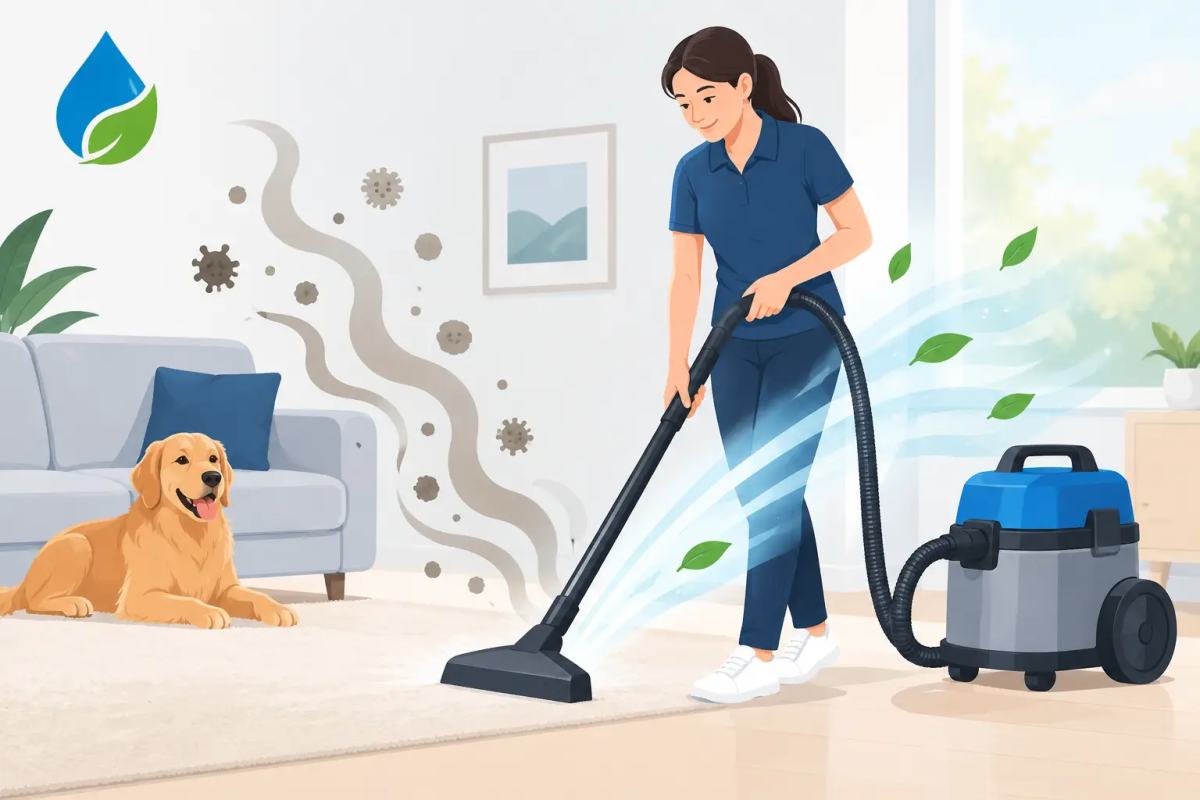
A room can look spotless and still smell wrong. That is because effective odour removal is not about covering a smell with fragrance. It is about finding what has soaked into the carpet, upholstery, underlay, subfloor or fabric, then treating it with the right method for that material and cause.
For Northern Beaches homes, rentals, workplaces and boats, persistent smells often come down to everyday problems that have been left too long: pet accidents, food and drink spills, dampness after a leak, smoke, mould growth or years of trapped body oils and grime. Surface cleaning may improve the first impression, but it will not reliably fix an odour that is sitting below the surface.
Why odour removal needs more than a deodoriser
Most odours are caused by residues, bacteria, moisture or organic matter. When the source remains in the fibres or beneath them, warm weather, humidity and normal use can bring the smell back. This is why a carpet can seem fine after cleaning, then develop a musty or sour smell again a few days later.
Pet urine is a common example. The visible mark may be small, while the liquid has travelled through carpet backing into the underlay or timber floor below. As it dries, urine leaves behind salts and other residues. Moisture in the air can reactivate those residues, which is why the smell often becomes stronger on humid days.
The same principle applies to milk spills in a lounge, damp carpet after flooding, seafood or bait smells in marine upholstery, and smoke settled into fabric furnishings. A pleasant-smelling spray might disguise the issue for a short time. Proper treatment has to reach and remove, neutralise or safely break down the source itself.
Start by identifying what is causing the smell
A reliable result begins with assessment. The location, age and likely cause of the odour all affect the treatment approach. A technician should consider the type of surface, how deeply contamination may have travelled, whether moisture is still present and whether there is a risk of colour loss, shrinkage or damage from the wrong product.
There are a few clues that point to a deeper problem:
- The smell returns after vacuuming, airing out the room or using a deodoriser.
- It becomes stronger after rain, humid weather or the air conditioner has been running.
- There is a recurring stain, damp patch or discolouration around the affected area.
- The carpet, lounge or cabin has an odour even though it has not been used recently.
These signs do not always mean the whole room needs intensive treatment. Sometimes the issue is contained to one cushion, a section of carpet or a particular area near a leak. But targeted treatment only works when the affected area has been properly located. Guessing can leave contamination behind and add unnecessary moisture to materials that do not need it.
Different materials need different methods
Carpet, leather, fabric lounges, mattresses and marine seating should not be treated as though they are the same surface. Synthetic carpet can often tolerate methods and products that would be unsuitable for delicate wool. A fabric sofa may need controlled low-moisture cleaning, while leather requires specialised care to avoid drying, cracking or stripping its finish.
This is where professional equipment and material knowledge make a practical difference. Hot water extraction can flush embedded soil and residue from suitable carpets and upholstery, while industrial recovery equipment removes contaminated water efficiently. For odours below the carpet, treatment may need to address the carpet backing, underlay and subfloor rather than the pile alone.
Fast drying matters as well. Leaving fabric or carpet wet for too long can create another problem, particularly in humid conditions or poorly ventilated rooms. The goal is a thorough clean with controlled moisture, strong recovery and sensible drying support, not simply making the area soaking wet.
The right treatment depends on the odour source
There is no single product that solves every smell. Effective odour removal is a process that matches the treatment to the problem.
For pet accidents, treatment may involve locating affected areas, applying a suitable urine treatment to the depth of contamination, cleaning the surface and extracting residues. Where urine has reached the underlay or floor beneath, further work may be necessary. In severe or repeat cases, replacing a section of underlay can be more cost-effective than repeatedly treating an area that remains contaminated underneath.
For food, drink and body-odour build-up in lounges or dining chairs, deep upholstery cleaning can remove the oils and residues feeding the smell. This is especially useful in busy family homes, holiday rentals, offices and hospitality settings, where fabric furnishings absorb regular use over time.
Musty odours need a more careful approach. They can be caused by an old spill, poor drying after cleaning, water ingress, condensation or mould activity. Cleaning the carpet without finding the moisture source may give only temporary relief. If there is an active leak, plumbing issue, roof problem or ongoing condensation, that needs to be repaired before the smell can be resolved for good.
Smoke odours can also be stubborn because fine particles settle into curtains, carpet, upholstery and soft furnishings. The right outcome depends on how long the smoke has been present and how extensively it has travelled. A single smoke incident may be treatable with focused cleaning. Long-term tobacco odour throughout a property can require a broader cleaning plan across multiple surfaces.
When floodwater or dampness is involved, act quickly
Water damage changes the priority. The first job is not making the area smell better. It is removing water, assessing affected materials and drying the space as quickly as possible. Odour treatment comes after moisture is under control.
Carpet that has been wet for an extended period can hold contaminated water and develop microbial growth. Underlay may retain moisture even when the carpet surface feels dry, and timber, walls and furniture can be affected too. In these cases, industrial extraction and drying equipment can reduce disruption, but the outcome depends on the water source, the time elapsed and the materials involved.
Clean water from a minor overflow is very different from contaminated floodwater or sewage. Contaminated water requires a higher level of caution and may mean some porous materials cannot be safely restored. A professional assessment helps avoid the mistake of treating a hygiene issue as a simple cleaning job.
What to do before professional odour treatment
You can make the job easier by removing loose items from the affected area and noting what caused the odour, when it happened and any previous cleaning products used. If the issue is a recent pet accident or spill, blot it gently with clean towels rather than scrubbing it deeper into the fibres.
Avoid pouring multiple supermarket deodorisers, vinegar mixes or heavily perfumed products onto carpet or upholstery before assessment. Some products leave sticky residues that attract more dirt. Others can interfere with specialised treatments or cause colour changes, particularly on natural fibres and delicate fabrics.
Ventilation is useful where it is safe to do so, but it is not a cure for embedded contamination. If a room smells damp, do not assume an open window has fixed it just because the odour is less noticeable for the afternoon. Once the room is closed up again, the smell often tells the real story.
Protect the surfaces you have invested in
Replacing carpet, a quality lounge or marine upholstery is expensive and disruptive. Timely odour treatment can often preserve the material, improve hygiene and make the space comfortable to use again. It also matters for landlords and property managers preparing a rental, businesses protecting customer-facing areas, and boat owners dealing with enclosed cabin smells.
At Pro Wet & Dry, the focus is on treating difficult odours at their source using suitable methods for the material involved, with strong extraction and practical drying times. That means a clearer plan for what can be cleaned, what may need further attention and what will give the best long-term result.
If an odour keeps returning, treat that as useful information rather than something to cover up. It usually means there is still a source to find, and dealing with it early is the best way to get your space properly fresh, dry and comfortable again.
Odour Removal
Need a hand with this?
Pet urine, vomit and lingering smells treated at the source, not masked. Pro Wet & Dry has been cleaning on the Northern Beaches since 2001.
Or call 1300 132 273