Tips & guides
Steam Cleaning Versus Shampooing Carpets Compared
Steam cleaning versus shampooing carpets: compare cleaning depth, drying time and stain results to choose the right method for your home or business.
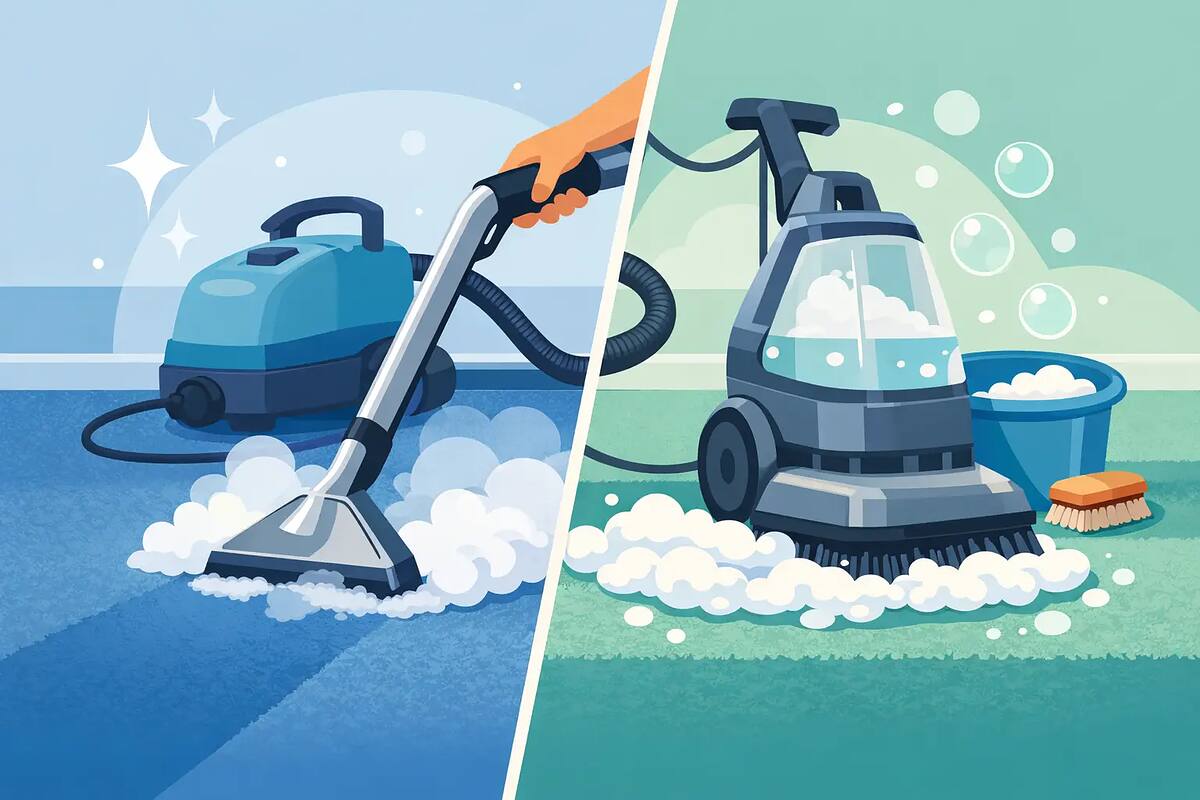
A carpet can look clean on the surface while holding fine grit, oils, pet residue and old spill marks down near the backing. That is why steam cleaning versus shampooing carpets is not simply a choice between two ways to freshen up a room. The right method depends on the carpet fibre, the level of soiling, previous cleaning products used and how quickly the area needs to be back in service.
For most homes, rentals and commercial spaces, professional hot water extraction - commonly called steam cleaning - provides the deeper, more complete result. Shampooing still has a place in certain situations, but it can create problems when too much product is left behind or the carpet is overwet. Here is how the two methods compare in practical terms.
Steam Cleaning Versus Shampooing Carpets: The Key Difference
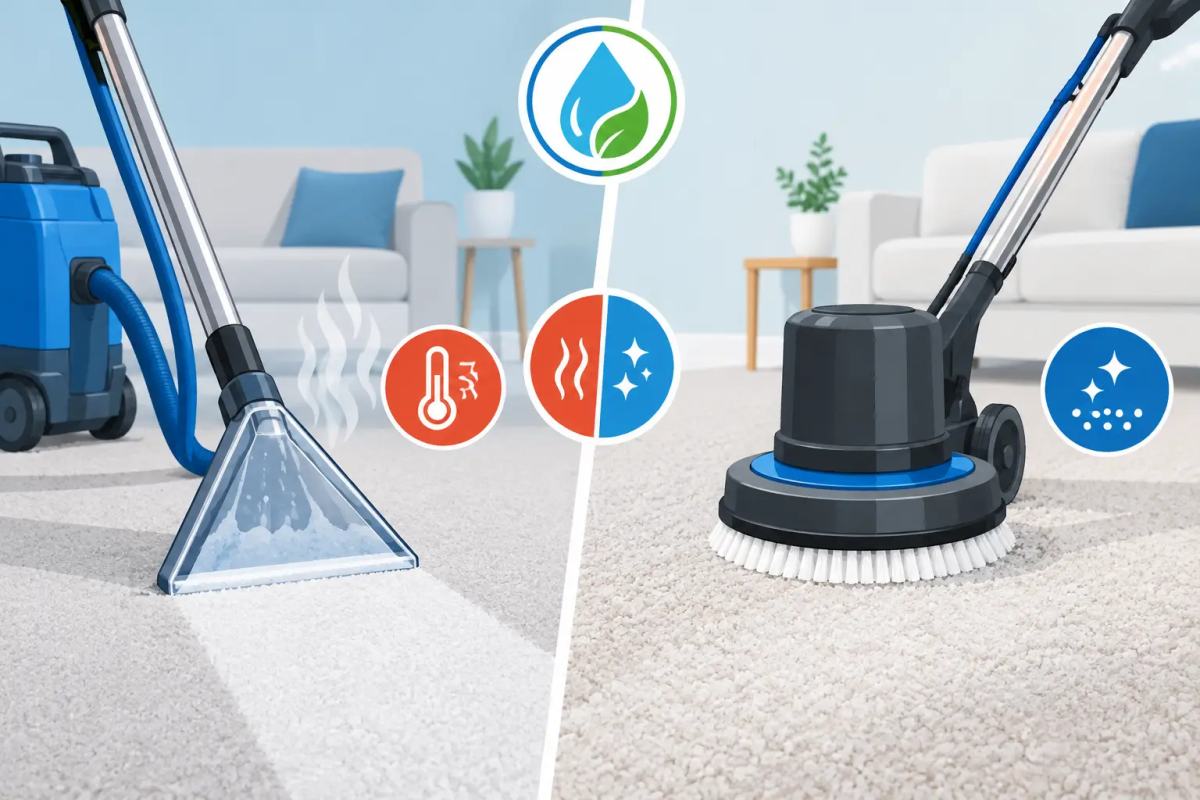
Steam cleaning is the everyday name for hot water extraction. A trained technician applies heated water and a suitable cleaning solution into the carpet fibres, then uses powerful vacuum recovery to remove the water, loosened soil, allergens and cleaning residue. Despite the name, this is not usually dry steam blasted over the carpet. It is a controlled rinse-and-recovery process designed to clean below the visible pile.
Carpet shampooing works differently. A foaming or liquid detergent is worked into the carpet, often with a rotary machine or brush, to lift dirt from the fibres. The carpet may then be vacuumed once dry, or partly rinsed depending on the equipment and process used. Traditional shampoo methods can produce a visibly brighter result, particularly on a lightly soiled carpet, but they do not always remove all detergent and suspended grime.
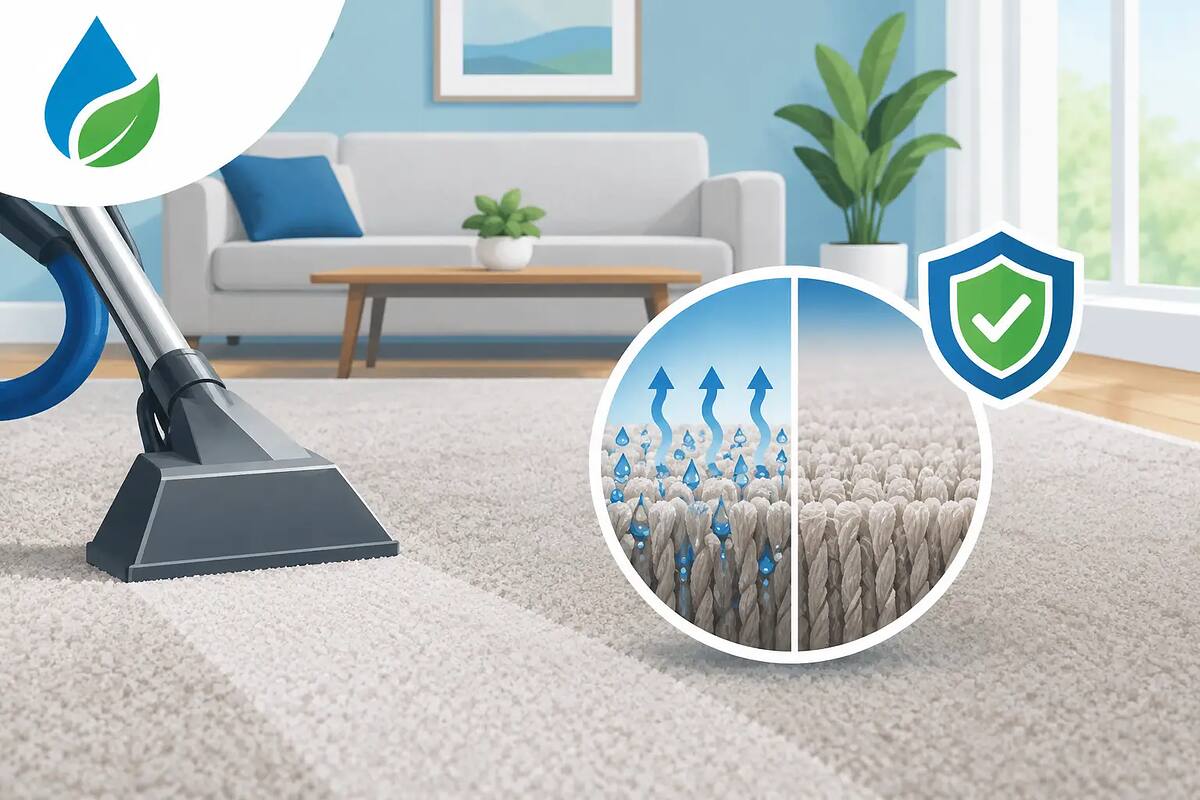
The difference matters because what remains in the carpet affects how it performs after the clean. Residual shampoo can feel slightly sticky underfoot and attract fresh dirt faster. Excess moisture can also extend drying time and, in some cases, contribute to odour or browning marks as the carpet dries.
Which Method Cleans More Deeply?
For ingrained soil, tracked-in sand, food spills, pet accidents and everyday family wear, hot water extraction generally cleans more deeply. The combination of heat, agitation, appropriate chemistry and strong extraction reaches beyond the top of the fibres. Crucially, the recovery stage removes much of what has been loosened rather than leaving it sitting in the carpet.
This makes steam cleaning a strong option for carpets in busy living rooms, hallways, offices, rental properties and hospitality areas. It is also useful where hygiene matters, such as homes with young children, pets or allergy concerns. A properly selected treatment can address the source of an odour or stain rather than masking it with fragrance.
Shampooing can be suitable for surface cleaning on durable carpet where the soil load is light and drying conditions are good. It may also be used as part of a specific low-moisture or encapsulation process. However, not every job described as “shampooing” uses the same products or equipment. The result depends heavily on the operator’s technique, product choice and whether the carpet is properly rinsed afterwards.
Drying Time Is About More Than the Method
Many people choose shampooing because they assume it dries faster, but that is not always the case. A carpet treated with too much foam or water can stay damp for a long time. It may feel dry on top while moisture remains closer to the backing.
Professional steam cleaning can achieve fast drying times when it is done with commercial-grade extraction equipment, controlled water use and good airflow. Carpet type, humidity, ventilation and the amount of soil being removed all make a difference. On a typical job, carpets may be dry within several hours, though heavy cleaning, thick pile and wet weather can extend that timeframe.
A reputable cleaner should give clear advice before starting. That includes whether windows should be opened, whether air conditioning or fans will help, and when furniture can safely be returned. For commercial premises, drying time needs to be planned around staff, customers and access requirements rather than guessed at on the day.
Stains and Odours Need More Than a General Clean
Neither shampooing nor steam cleaning is a magic answer for every stain. Red wine, coffee, ink, makeup, urine, oil and rust all behave differently in carpet. Some need targeted spotting products before extraction. Others may have permanently changed the fibre colour, particularly if they have been sitting for months or have been treated with the wrong DIY product.
Pet odours are a good example. The visible mark may be small, while the contamination has travelled into the backing or underlay. Shampooing the surface may make the room smell better briefly, but it may not deal with the source. A proper treatment identifies the affected area, uses an odour-neutralising process suited to the contamination, and extracts the residue where possible.
The same applies to water damage. Flooded carpet requires fast assessment, industrial water recovery and controlled drying. It is not a standard shampoo job. Delays can lead to staining, lingering odours and hygiene issues, especially where contaminated water is involved.
Carpet Type Changes the Right Approach
Synthetic carpets such as solution-dyed nylon and polypropylene are often well suited to hot water extraction, provided the correct solution and temperature are used. They are durable, common in homes and rentals, and respond well when oils and soil are thoroughly removed.
Wool, silk blends, natural fibres and delicate rugs need more care. Excess heat, aggressive chemicals, over-wetting and harsh brushing can damage fibres, cause colour bleed or change the carpet’s texture. These materials may need lower-moisture cleaning, controlled pH products or a different specialist method altogether.
That is why a one-size-fits-all carpet shampoo is rarely the best answer. Before cleaning begins, the technician should identify the fibre where possible, assess existing stains and check for risks such as loose seams, colour instability or previous residue. Protecting an expensive carpet is just as important as improving its appearance.
When Shampooing Can Cause Problems
The main risk with traditional shampooing is residue. If detergent is applied generously and not properly extracted, the carpet can resoil quickly. You may notice dark traffic lanes return sooner than expected, especially in hallways and near entry points where shoes bring in grit and oils.
Over-agitation is another issue. Rotary brushes can be effective on the right carpet, but they can fuzz delicate fibres, disturb loops or worsen wear in already tired carpet. Too much moisture can also lead to wicking, where stains from deep in the backing rise to the surface as the carpet dries.
These problems do not mean shampooing is always wrong. They mean the method needs to match the material and condition of the carpet. A light refresh for a durable, low-soil commercial carpet is a different job from restoring a lounge room that has handled kids, pets and wet feet for years.
What Delivers the Best Value?
The cheapest clean is not always the best value if the carpet looks dull again within weeks or stays wet long enough to disrupt the household. Value comes from removing soil effectively, treating stains honestly, protecting the fibre and getting the room usable again without unnecessary delay.
For an end-of-lease clean, a rental inspection or a property handover, appearance and drying time are both important. For a family home, odour control and deep soil removal may be higher priorities. Offices, retail spaces and marine interiors often need cleaning scheduled to minimise disruption, with the right equipment for restricted access and fast recovery.
At Pro Wet & Dry, the cleaning process is selected around the surface rather than forcing every carpet into the same treatment. That means using specialised equipment and material-specific products to remove embedded grime while keeping moisture and drying time under control.
How to Keep Carpets Cleaner After Professional Cleaning
A professional clean works best when it is backed up by simple maintenance. Vacuum regularly, especially along traffic lanes and around entrances, because dry grit acts like sandpaper on carpet fibres. Attend to spills promptly by blotting rather than scrubbing, and avoid soaking the area with supermarket spot cleaners.
If a mark keeps returning, smells worse in humid weather or has spread below the surface, arrange an assessment before trying more products. Layering chemicals into the carpet can make later treatment harder and may set some stains permanently.
The best choice is rarely about which method has the catchier name. It is about using the right cleaning process, enough extraction and the right drying plan for your carpet. When the job is assessed properly, the result should be a cleaner, fresher space that is ready to use again - not a damp carpet waiting for the next patch of dirt to stick.
Odour Removal
Need a hand with this?
Pet urine, vomit and lingering smells treated at the source, not masked. Pro Wet & Dry has been cleaning on the Northern Beaches since 2001.
Or call 1300 132 273