Tips & guides
Furniture Sanitisation Service for Cleaner Homes
A professional furniture sanitisation service removes embedded grime, odours and allergens from lounges and upholstery, helping rooms feel fresh again.
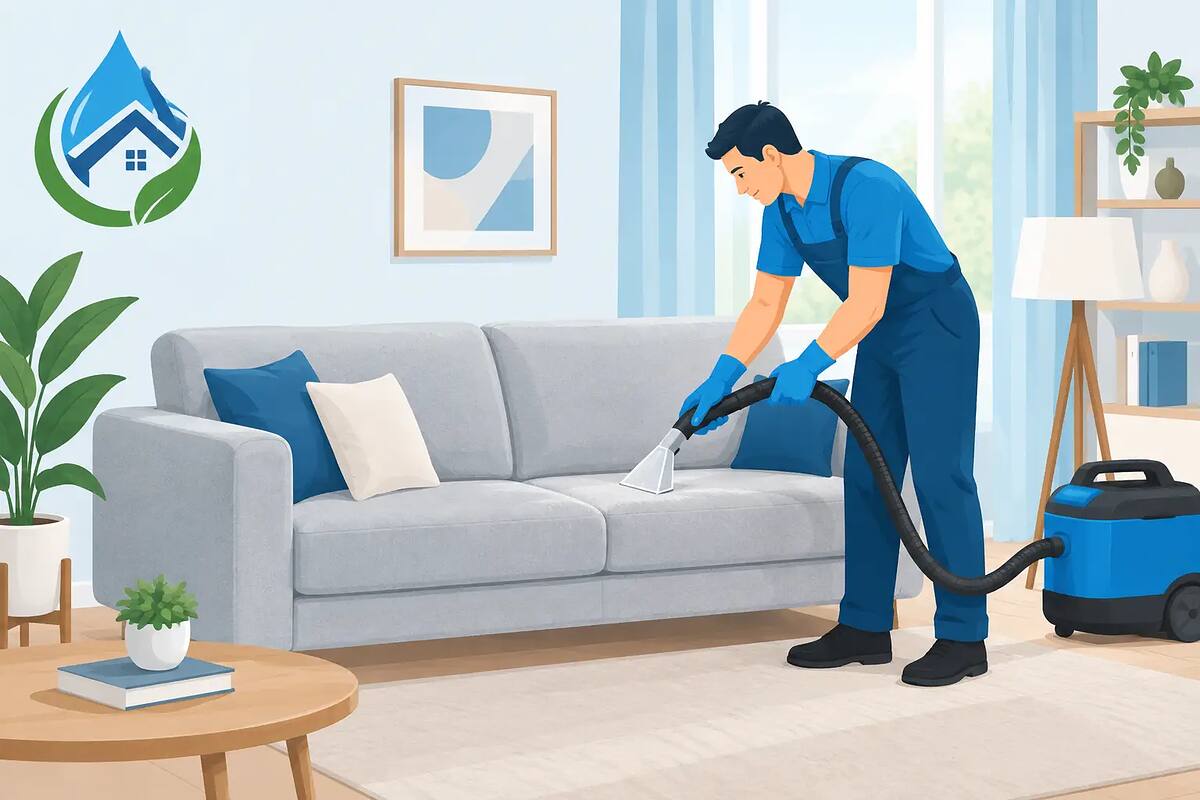
A lounge can look reasonably clean while holding weeks of body oils, food crumbs, pet hair, dust and moisture deep in its fabric. That is why a professional furniture sanitisation service is about more than making upholstery look better. It targets the contamination and odours sitting below the surface, helping make the furniture more pleasant to use again.
For busy homes, rental properties, offices, hospitality venues and boats, soft furnishings receive constant contact but are often missed during routine cleaning. A proper treatment uses the right equipment, cleaning solution and drying method for the material - not a one-size-fits-all spray and wipe.
What a furniture sanitisation service actually does
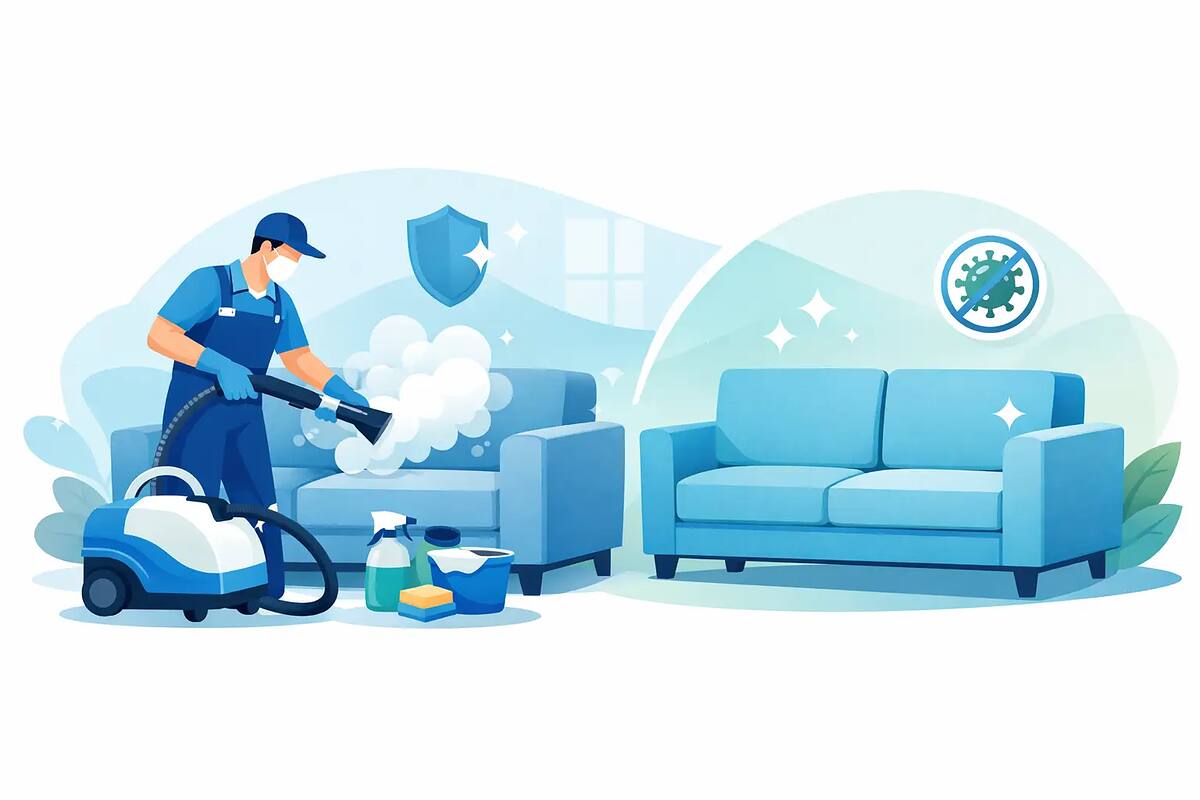
Furniture sanitisation combines deep upholstery cleaning with treatments designed to reduce the build-up of soils, odours and common contaminants in fabric furnishings. Depending on the condition of the item, the process may involve vacuuming, pre-treatment of marks, low-moisture or hot-water extraction cleaning, targeted deodorising and fast recovery of moisture from the fabric and padding.
The result should be furniture that looks cleaner, smells fresher and dries quickly enough to return to normal use without unnecessary disruption. It is particularly useful for lounges, sofas, armchairs, dining chairs, ottomans, fabric bedheads and commercial seating.
Sanitising is not the same as sterilising. No practical cleaning service can promise a domestic sofa is completely free of every microorganism. What professional cleaning can do is remove the dirt, organic residue and dampness that allow odours and hygiene concerns to persist, while applying suitable products where required.
Cleaning first makes sanitising more effective
A surface treatment alone has limited value when fabric is loaded with grime. Oils from skin and hair, drink spills, pet accidents and tracked-in dust cling to fibres and can work their way into the cushioning. Removing this material is the foundation of a worthwhile sanitisation job.
Specialised extraction equipment flushes suspended soil from the fabric and recovers it rather than simply moving it around. This matters on heavily used lounges, where the difference is often visible around headrests, armrests and favourite seats. It also matters when an odour seems to return after a quick DIY clean - the source may still be sitting in the upholstery or foam beneath.
When professional furniture sanitisation is worth it
Regular vacuuming and prompt attention to spills will help extend the life of a sofa. However, there are times when household products are not enough, or may create a bigger issue through overwetting, residue or colour loss.
A furniture sanitisation service is worth considering after illness in the household, a pet accident, a food or drink spill, water exposure or a period of high use. Families with young children and pets often arrange it as part of seasonal cleaning, particularly before visitors arrive or after a wet summer when closed-up rooms can start to smell stale.
It is also a practical option for landlords and property managers between tenancies. Upholstered furniture can hold onto cooking smells, smoke residue, perfume and general tenant odours even when it appears tidy. Treating it before new occupants move in helps present the property properly and may prevent complaints later.
For offices, waiting rooms, restaurants and accommodation venues, the right timing depends on foot traffic and presentation standards. A lightly used boardroom may only need periodic maintenance, while café banquettes, reception seating and staff break-room lounges can need more frequent attention. Cleaning can often be scheduled around quieter trading periods to keep downtime low.
Why material-specific methods matter
Not every piece of furniture should be cleaned the same way. Fabric type, dye stability, cushion construction, backing material and previous treatments all affect the safest method. Cotton, linen blends, velvet, microfibre, wool upholstery and synthetic fabrics can respond very differently to heat, moisture and cleaning agents.
Too much water can lead to slow drying, water marks, browning or odours from damp padding. Too much agitation can distort delicate fibres. An unsuitable chemical can strip colour or leave a sticky residue that attracts fresh dirt sooner than it should.
A professional technician should assess the furniture before starting, identify stains and test an inconspicuous area where appropriate. From there, the treatment can be matched to the item. That may mean controlled steam cleaning and extraction for a hard-wearing synthetic lounge, a low-moisture method for a delicate fabric, or specialist leather cleaning and conditioning for leather seating.
Leather needs care, not upholstery shampoo
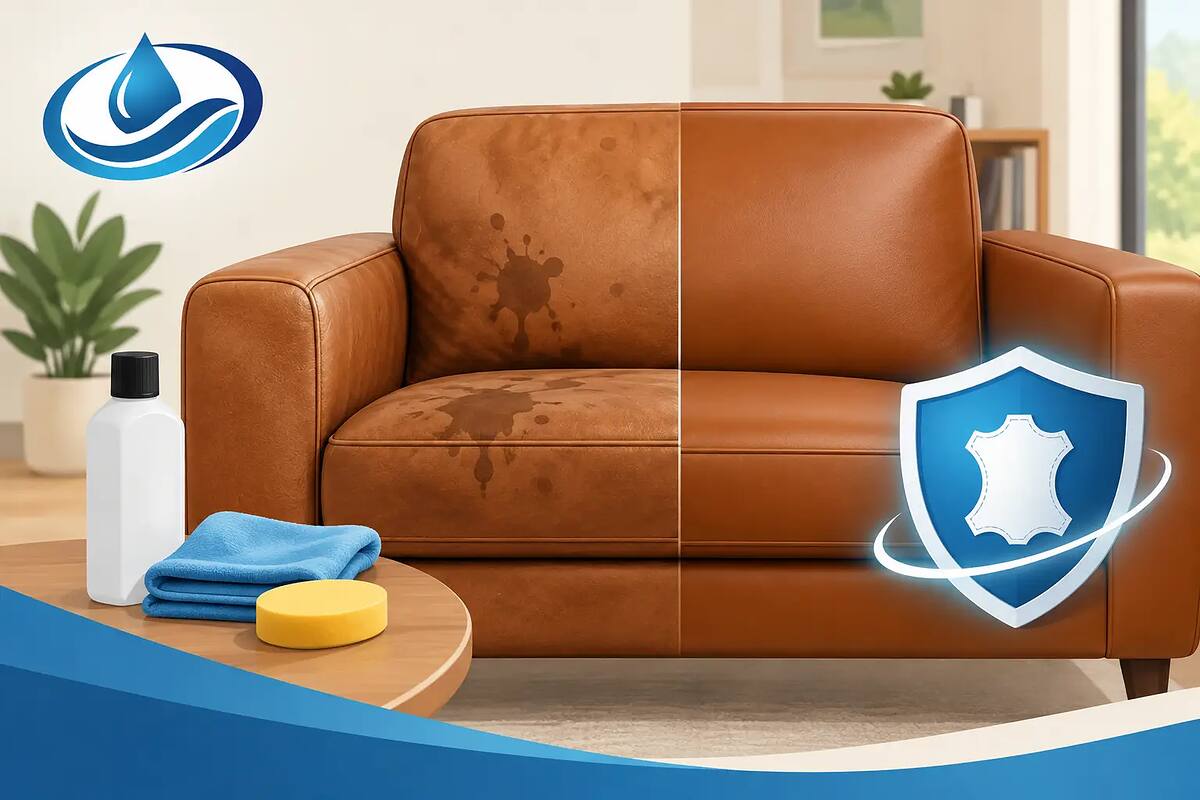
Leather can absorb body oils, sunscreen and everyday grime, especially on armrests and headrests. It also dries out over time if it is cleaned with harsh products or left untreated. Leather sanitisation should involve a compatible cleaning process followed by conditioning where suitable, rather than soaking the surface or using standard fabric cleaner.
The goal is to lift surface contamination while protecting the finish and keeping the leather supple. Cracking, colour loss and worn protective coatings may require a different type of restoration work, so an honest assessment is preferable to an unrealistic promise.
Odour treatment needs to reach the source
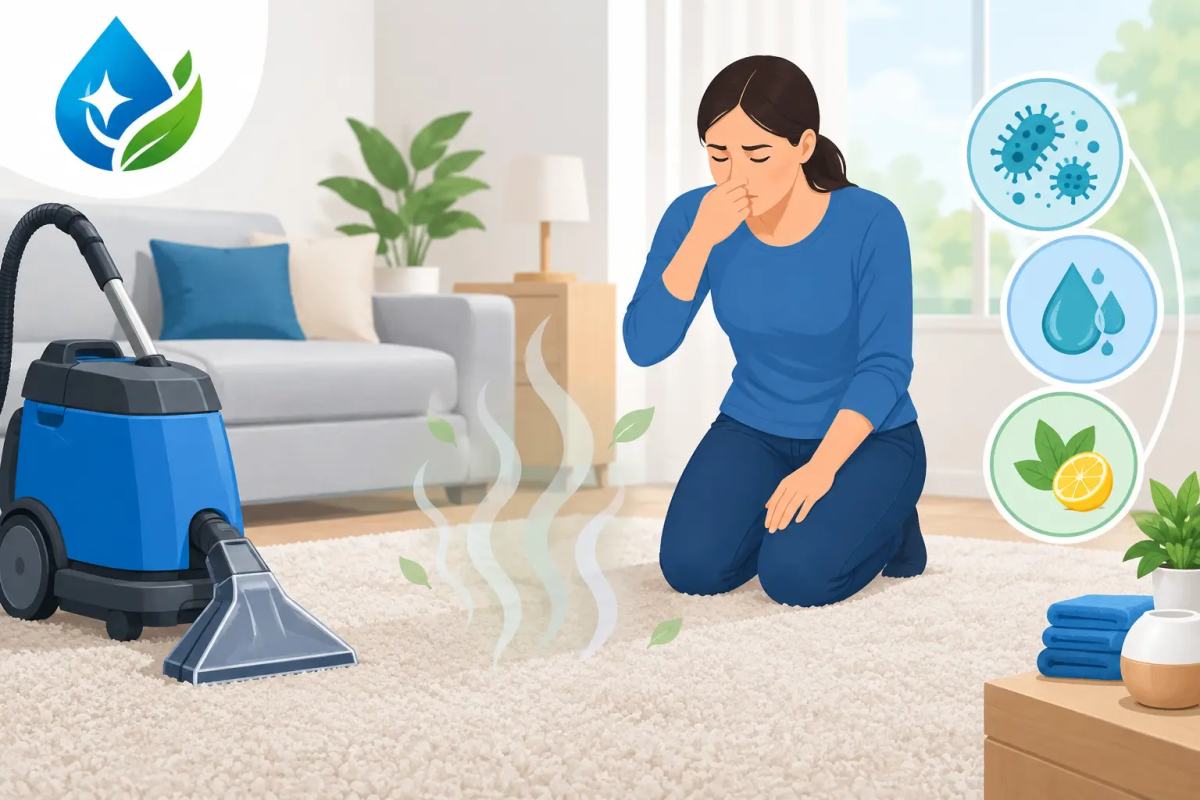
A pleasant fragrance does not solve a pet odour, sour milk spill or damp sofa. It simply masks it for a short time. Proper odour treatment starts by locating the source and assessing how far it has travelled into the upholstery.
Fresh spills are usually easier to resolve. Older accidents may have penetrated through the fabric into the cushion foam, webbing or base, and may need more than one treatment. Pet urine can be particularly stubborn because it leaves residues that reactivate with humidity. In these cases, a targeted treatment combined with controlled extraction gives the best chance of lasting improvement.
There are limits. If a cushion has been repeatedly soaked, has mould growth, or has extensive damage inside the foam, replacement may be more sensible than continued treatment. A reputable cleaner will explain that upfront rather than treating a difficult problem as a guaranteed quick fix.
Fast drying is part of a good result
A freshly cleaned lounge should not leave the room feeling damp for days. Fast drying reduces inconvenience and lowers the risk of lingering musty smells. Industrial-grade extraction equipment removes a significant amount of moisture during the clean, while airflow, ventilation and suitable cleaning methods help the remaining moisture evaporate.
Drying time still depends on fabric thickness, weather, ventilation and how deeply the contamination has reached. A lightly soiled dining chair may dry relatively quickly, while a large modular sofa with dense cushions may take longer. Opening windows, running ceiling fans and keeping pets or children off the furniture until it is dry will help protect the result.
Furniture sanitisation for marine and commercial spaces
Marine upholstery has its own challenges. Salt air, sunscreen, humidity and confined spaces can create stubborn odours and accelerate wear in fabric and leather seating. Cleaning methods need to suit the materials while managing moisture carefully in an enclosed cabin or vessel.
Commercial furnishings face a different mix of problems: high contact, food and drink spills, public-facing presentation and limited time for cleaning. The right equipment and recovery capability make it possible to treat lounges, chairs, booth seating and fabric partitions thoroughly without leaving a premises out of action longer than necessary.
For Northern Beaches homes and businesses, Pro Wet & Dry assesses the furniture, fabric and problem before selecting a suitable cleaning and sanitisation approach. That means treating the actual issue, whether it is pet odour in a family sofa, ingrained grime on office seating or damp upholstery after water exposure.
How to keep furniture fresher between professional cleans
Small habits can make a noticeable difference. Vacuum upholstered furniture regularly using an upholstery attachment, including under removable cushions and along seams where dust and crumbs collect. Blot spills promptly with a clean absorbent cloth rather than rubbing them deeper into the fabric.
Avoid saturating upholstery with supermarket sprays, especially if you do not know the fibre type or whether the colour is stable. If a spill is significant, contains urine or milk, or leaves a smell after drying, arranging treatment early is generally easier and more cost-effective than waiting for the problem to set.
Furniture is a major part of how a home, office or vessel feels. When it is properly cleaned and sanitised, the change is not just visual - it is the comfort of sitting down without noticing stale odours, sticky armrests or hidden grime. Addressing problems early gives your furnishings the best chance of looking good and lasting well.
Bedding Sanitation
Need a hand with this?
Mattress and bedding sanitisation that removes dust, dead skin and allergens. Pro Wet & Dry has been cleaning on the Northern Beaches since 2001.
Or call 1300 132 273