Tips & guides
How to Remove Grease From Upholstery Safely
Learn how to remove grease from upholstery without spreading the stain, damaging fibres or leaving residue, plus when expert cleaning is a safer call.
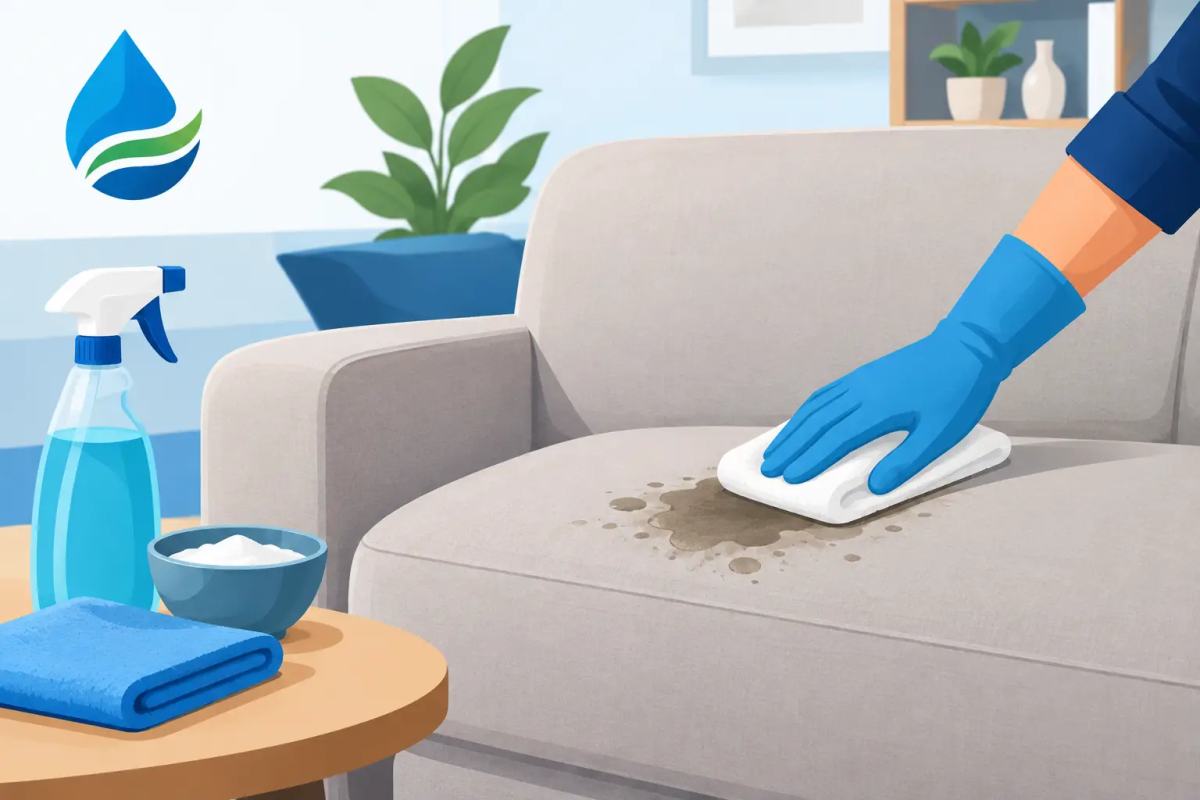
A greasy handprint on the sofa, a dropped slice of pizza, or takeaway oil brushed onto a dining chair can leave more than a dark patch. Grease travels into upholstery fibres, attracts fresh dirt and can become increasingly noticeable over time. Knowing how to remove grease from upholstery quickly can protect the fabric, but the wrong product or too much water can spread the mark or leave a larger ring behind.
The best approach depends on the upholstery material, how old the stain is and whether the fabric can safely be cleaned with water. Start gently, avoid heat and resist the temptation to scrub. With grease, lifting the oil before cleaning the remaining residue is what gets the job done properly.
Act quickly, but do not rub
Fresh grease is easier to treat because it has not had time to settle deep into the fabric backing and foam beneath. Use a clean white cloth or paper towel to blot up any surface oil. Press lightly, then lift straight up. Replace the cloth as it becomes oily.
Rubbing is the usual mistake. It pushes grease further into the fibres, spreads it across a larger area and can roughen delicate upholstery. Avoid coloured towels as well, particularly on pale lounges, as dye can transfer when fabric is damp.
If there are solids involved, such as butter, sauce or food, carefully lift them away first with the edge of a spoon or a blunt scraper. Work from the outside of the spill towards the middle so the stain does not widen.
Check the upholstery cleaning code first
Before applying any cleaner, find the manufacturer’s care label. It is often underneath loose cushions, on the base of a lounge or attached beneath a dining chair seat. The cleaning code tells you what the fabric can handle:
- W means water-based cleaning methods are generally suitable.
- WS or SW means water-based or solvent-based methods may be used with care.
- S means solvent-based cleaning only. Water can cause rings, shrinkage or colour loss.
- X means vacuuming only. Any wet treatment should be left to a professional.
These codes are useful, but they are not a guarantee that every household product is safe. Fabric blends, dyes, backing materials and previous stain treatments all affect the result. If the label is missing, treat the piece as sensitive and test any method on a hidden area first.
Leather, suede, velvet, silk, linen and some textured woven fabrics need particular care. A method that works on a synthetic fabric sofa can permanently mark these materials.
How to remove grease from water-safe upholstery
For upholstery marked W or WS, begin by absorbing as much oil as possible. Sprinkle a light, even layer of an absorbent powder such as bicarbonate of soda, cornflour or talcum powder over the dry stain. Leave it for at least 30 minutes. For a heavier or older mark, leave it for several hours if the area can remain undisturbed.
The powder helps draw oil out of the surface fibres. Once it has had time to work, vacuum it thoroughly using an upholstery attachment. Do not brush aggressively, especially on loose-weave or pile fabrics.
Next, prepare a mild cleaning solution using a small amount of clear, gentle dishwashing liquid in cool to lukewarm water. You only need a few drops. Too much detergent is a common reason upholstery feels stiff, looks dull or rapidly attracts soil again after cleaning.
Dampen a clean white microfibre cloth with the solution and wring it out well. The cloth should be barely damp, not wet enough to soak the cushion. Dab the affected area from the outer edge inward. Use small sections of the cloth and change to a clean area as grease transfers.
Follow with another cloth lightly dampened with plain water to remove detergent residue. Then press a dry towel against the area to draw out moisture. Allow the upholstery to air dry fully before judging the result, as damp fabric can look darker than it will once dry.
Why hot water and heavy soaking cause trouble
It is understandable to reach for hot water when a stain looks oily. On upholstery, heat can set some food-based stains and may affect dyes, glues or fabric backing. Excess water is another problem. It can push grease down into the cushion filling, create water marks and leave a lingering musty odour if the foam does not dry properly.
This is why professional upholstery cleaning uses controlled moisture, fabric-specific products and powerful extraction equipment rather than simply saturating the lounge. The aim is to break down and recover the contamination while limiting the amount of moisture left behind.
What not to use on a grease stain
Strong degreasers, laundry sprays, bleach and kitchen cleaners are not designed for furniture fabric. They may strip colour, weaken fibres or leave a sticky chemical residue. Citrus-based products and solvent cleaners can also be risky around synthetic backings, adhesives and leather finishes.
Avoid using a steam cleaner as a first response to a grease stain. Steam can be effective in the right professional process, but applying heat before oil has been properly treated may make the stain harder to remove. It can also over-wet cushions if the machine does not have sufficient extraction power.
Do not keep adding product if the mark remains. Multiple cleaners can react with each other, create a larger patch and make later professional treatment more difficult. If your first careful attempt has not improved the stain, stop there.
Older grease stains need a different approach
A grease spot that has been sitting for days or weeks often looks darker around the edges and may feel slightly stiff. At this point, dirt has usually attached to the oily residue, so the stain is no longer just grease.
You can still start with an absorbent powder and a gentle spot test on water-safe fabric. However, set realistic expectations. An old stain may require specialised upholstery pre-treatment followed by extraction to lift loosened oil and detergent residue from below the surface.
The fabric colour also matters. On light-coloured couches, even a faint shadow can be obvious. On dark fabric, a DIY cleaner can leave pale patches or tide marks that stand out more than the original grease. In both cases, a targeted professional clean is often the better value than repeated household treatments.
When to call an upholstery cleaning professional
Professional help is sensible when the upholstery is valuable, the care tag says S or X, or the fabric is leather, velvet, suede, silk or linen. It is also the safer option where the grease stain is large, old, mixed with food or has reached the cushion filling.
For rental properties, commercial waiting areas, hospitality seating and marine furnishings, appearance and downtime matter as much as stain removal. A trained technician can assess fibre type, dye stability and the level of contamination before selecting the appropriate method. Proper extraction also helps prevent the oily residue from attracting dirt again soon after the clean.
Pro Wet & Dry uses material-specific upholstery cleaning methods and high-recovery equipment to treat difficult stains while supporting faster drying times. That matters when you need the lounge, office seating or vessel furnishings back in use without a long wait.
Keep future grease marks easier to manage
Regular vacuuming removes dry soil that can cling to oily areas and make a small spill look worse. If food is often eaten on the couch, washable throws can provide a practical layer of protection, especially in busy family rooms. For fabric dining chairs, dealing with splashes straight away is far easier than tackling a set-in stain after a weekend.
A grease stain does not always mean a lounge is ruined. Treat it gently, use only methods suited to the material and stop before a small mark becomes a larger cleaning problem. When the fabric is delicate or the stain will not shift, a professional assessment can save the furniture and the frustration.
Upholstery Cleaning
Need a hand with this?
Lounge, sofa and chair cleaning for fabric and leather, at home or in commercial spaces. Pro Wet & Dry has been cleaning on the Northern Beaches since 2001.
Or call 1300 132 273